PLOT & PACING
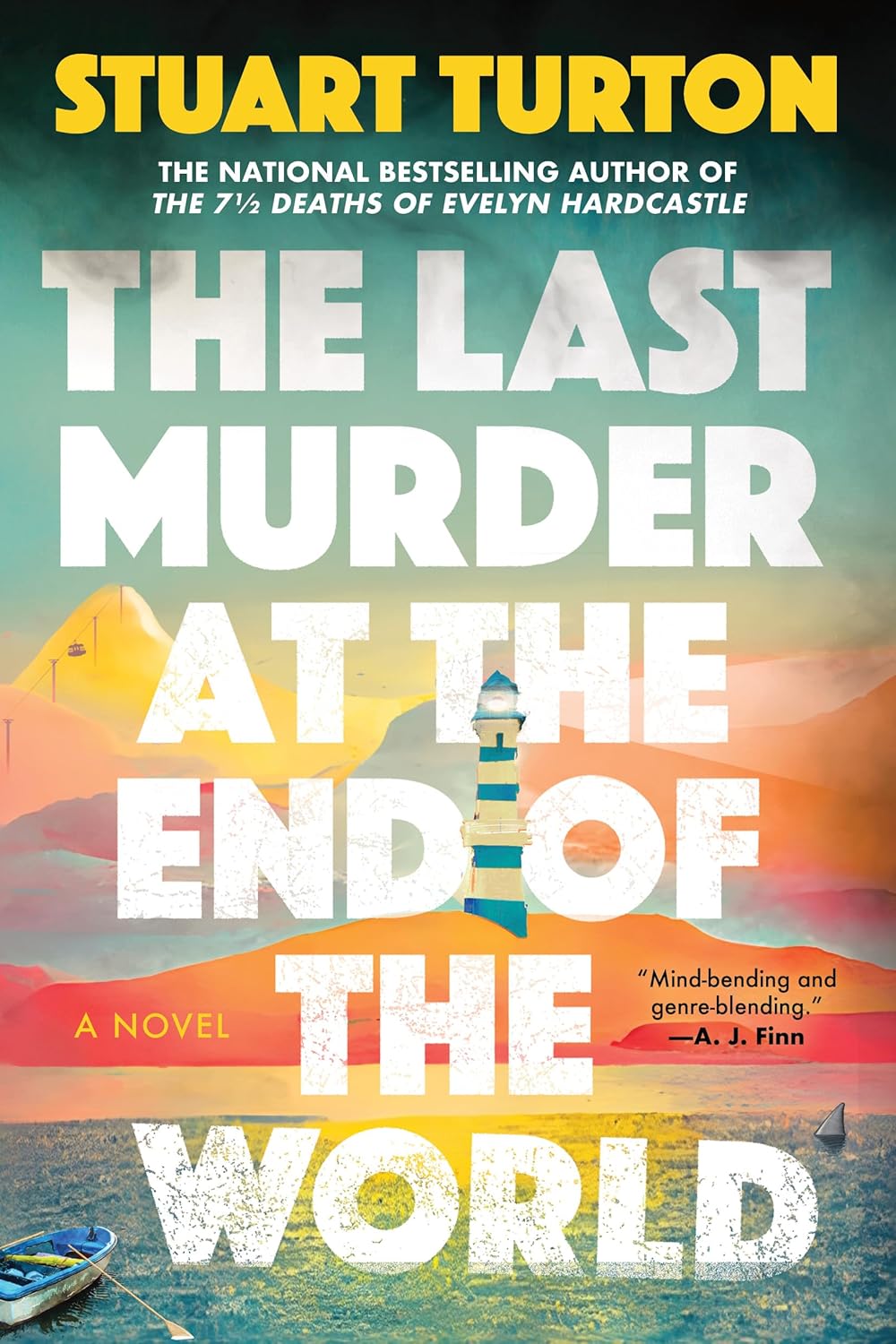
The world is gone. What remains is a tiny, isolated island governed by a collective intelligence—and bound by rules designed to protect humanity from itself. When the only person capable of maintaining the status quo is murdered, the system begins to collapse.
Turton unspools the mystery with deliberate slowness, building tension through claustrophobia, paranoia, and the erosion of truth. It’s not fast-paced, but the suspense simmers. And if you think you know where it’s going—you don’t.
CHARACTER & VOICE
The characters here are harder to connect with than in Evelyn Hardcastle, but they still shine. Each one is shaped by trauma, guilt, and the pressure of perfection in a society built on suppression. The protagonist’s voice wrestles with memory and morality—how much of the past should be remembered, and at what cost?
STYLE & ATMOSPHERE
Turton’s writing is thoughtful and layered, leaning into mood and slow revelation rather than flash. The atmosphere is eerie and contained—like a pressure cooker ready to blow. Though the sci-fi elements are prominent, it still feels grounded in human emotion, making the strange setting feel surprisingly relatable.
THEMES & DEPTH
This isn’t just a mystery—it’s a study in control, violence, and moral erosion. What does it mean to protect humanity from itself? Is forgetting the past the only way to secure the future? Turton digs into these questions with chilling clarity, but never sacrifices mystery for message.
PERSONAL TAKE
Drew: I found the pacing slow and the world so layered it was sometimes hard to fully visualize—but the ideas stuck with me. Turton doesn’t spoon-feed anything.
Jenni: It was weird, but weird in a good way. The kind of weird that keeps you thinking long after you finish.
Together, we agreed: this book is frustrating and brilliant, messy and beautiful. And absolutely worth reading.