Bury Our Bones in the Midnight Soil

V.E. Schwab delivers a haunting, poetic masterpiece in Bury Our Bones in the Midnight Soil. This standalone sapphic gothic fantasy weaves the stories of Maria, Charlotte, and Alice—three women from different eras bound by blood, desire, and the fight to live freely in a world that demands their submission. It’s a tale of autonomy, consequence, and craving—both literal and metaphorical.

Bury Our Bones in the Midnight Soil

by V.E. Schwab

What they couldn’t have in life, they took in death.

Bury Our Bones in the Midnight Soil by V.E. Schwab

Title:

Author:

Genre:

Page Count:

Release Date:

Enjoyment:
Writing:
Characters:
Plot:
Readability:
Setting:

Bury Our Bones in the Midnight Soil

V.E. Schwab

Gothic Fantasy

533

June 10, 2025

♥ ♥ ♥ ♥ ♥
♥ ♥ ♥ ♥ ♥
♥ ♥ ♥ ♥ ♥
♥ ♥ ♥ ♥ ♥
♥ ♥ ♥ ♥ ♥
♥ ♥ ♥ ♥ ♥

The Quick Look

V.E. Schwab delivers a haunting, poetic masterpiece in Bury Our Bones in the Midnight Soil. This standalone sapphic gothic fantasy weaves the stories of Maria, Charlotte, and Alice—three women from different eras bound by blood, desire, and the fight to live freely in a world that demands their submission. It’s a tale of autonomy, consequence, and craving—both literal and metaphorical.

  • Themes: Autonomy, hunger, queerness, societal expectation, choice & consequence.
  • Read if you like: Feminist horror, vampire mythology, lush prose, or stories that ask what freedom really costs.
  • Best for: Readers craving character-driven gothic tales that ache with beauty and sorrow.
  • Skip if: You want a plot-driven page-turner without slow burn or introspection. Or, better yet… don’t!

The Full Review

PLOT & PACING
Told across many centuries, the story follows Maria, Charlotte, and Alice, women bound not by time but by shared defiance. Each faces a life marked by isolation, repression, and a yearning for more. Their paths twist through love, trauma, death, and rebirth as they embrace a dark power that offers freedom at a terrible cost. The pacing is deliberate, steeped in gothic atmosphere and internal reckoning, and the threads tie together in a devastatingly satisfying finale.

CHARACTER & VOICE
Maria is fire and fury. Charlotte is longing and love. Alice is ache and grief. Schwab renders each woman with astonishing clarity and emotional depth. Even the secondary characters shine. But it’s the intimacy of each voice—their rage, tenderness, defiance—that makes this story so arresting. These women feel real, like friends you grieve for long after the final page.

STYLE & ATMOSPHERE
This is Schwab at her most lyrical. Her writing lingers on the tongue like a spell: lush, intimate, aching. The gothic settings are thick with dread and wonder—from Spanish manors and grand Venetian houses to lavish English mansions and even Boston Common. Darkness pervades, but so does fierce light. The atmosphere doesn’t just haunt—it devours.

THEMES & DEPTH
Bury Our Bones is about the price of freedom. It’s about hunger—sexual, emotional, existential—and the power of reclaiming your story. Vampirism here isn’t just bloodlust—it’s metaphor. It’s survival. It’s defiance. Schwab unearths the rot beneath patriarchal structures and dares her characters to burn it all down.

PERSONAL TAKE
This novel gutted us—in the best way. Jenni said she was left starving for more. For Drew, it was a masterclass in character, metaphor, and social commentary. Schwab reminds us that living fully, fiercely, freely often comes at a cost—but that doesn’t mean it isn’t worth it.

The Final Verdict

Dark, dazzling, and unflinchingly bold—Schwab’s latest is a centuries-spanning reckoning with who we’re told to be, and the fierce, burning hunger to become something more.

The world will try to make you small. It will tell you to be modest, and meek. But the world is wrong. You should get to feel and love and live as boldly as you want.
Bury Our Bones in the Midnight Soil by V.E. Schwab
Bury Our Bones in the Midnight Soil
by V.E. Schwab

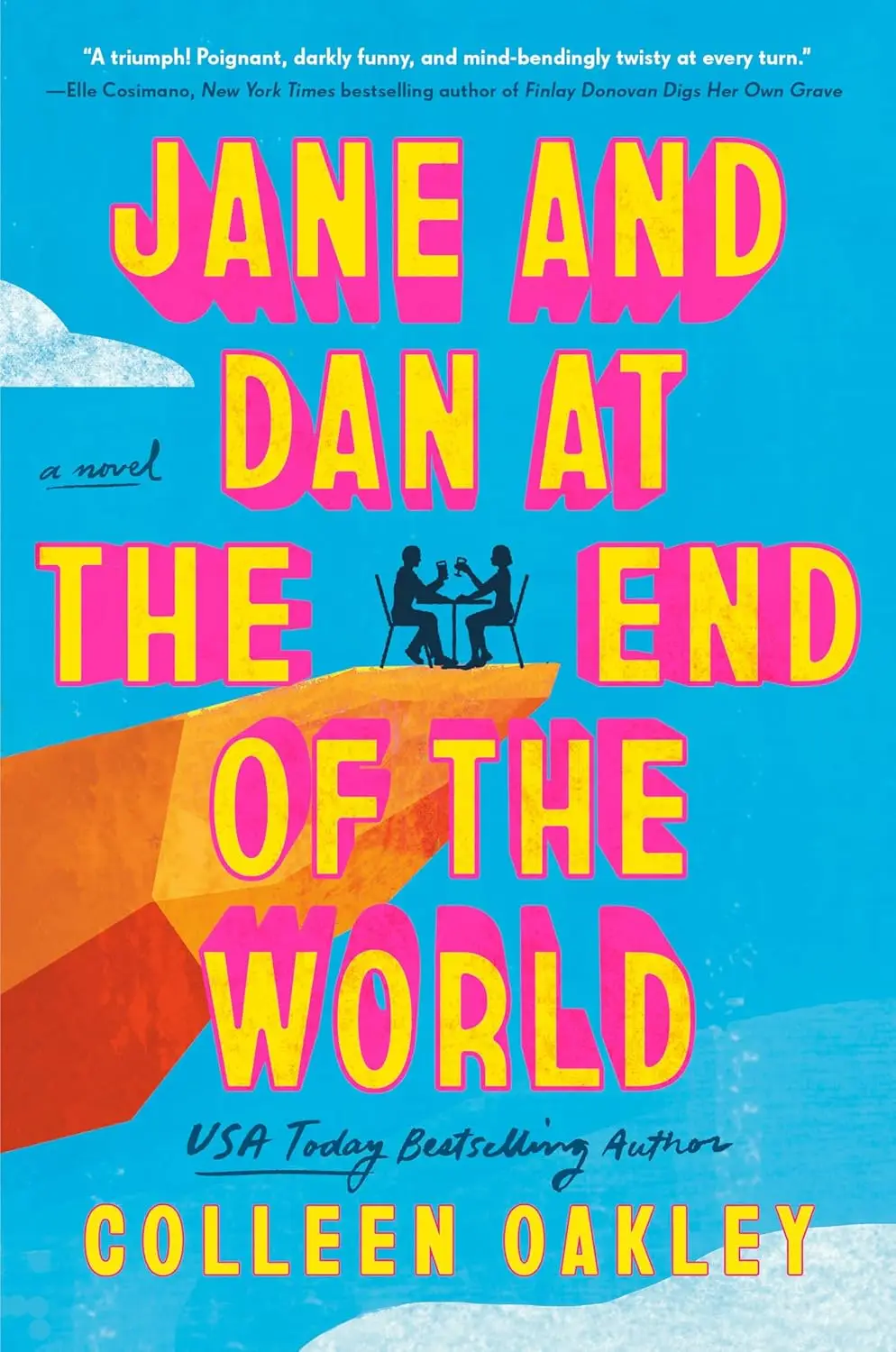
Jane & Dan at the End of the World

Turns out, her world ending is exactly the kick-in-the-pants Jane needs to realize she’s already got everything she wants out of life. When a terrifying hostage situation happens at the restaurant that she and her hubby, Dan, are celebrating their 19th (20th, according to Dan) anniversary at, you’d think things couldn’t get worse. Think again… 

Jane & Dan at the End of the World

by Colleen Oakley

What if the world ending is exactly what it takes to start living again?

Jane and Dan at the End of the World

Title:


Author:

Genre:


Page Count:

Release Date:

Enjoyment:
Writing:
Characters:
Plot:
Readability:
Setting:

Jane and Dan at the end of the World

Colleen Oakley

Contemporary Fiction / Apocalyptic Rom-Com

368

March 11, 2025

♥ ♥ ♥ ♥ ♥
♥ ♥ ♥ ♥
♥ ♥ ♥ ♥ ♥
♥ ♥ ♥ ♥ ♥
♥ ♥ ♥ ♥
♥ ♥ ♥ ♥ ♥

The Quick Look

Turns out, her world ending is exactly the kick-in-the-pants Jane needs to realize she’s already got everything she wants out of life. When a terrifying hostage situation happens at the restaurant that she and her hubby, Dan, are celebrating their 19th (20th, according to Dan) anniversary at, you’d think things couldn’t get worse. Think again… 

  • Themes: Reinvention, Second Chances, Love in the Middle of a Mid-Life Crisis, Marriage, Survival
  • Read If You Like
    • Emily Henry’s heartfelt wit
    • The Last Thing He Told Me by Laura Dave
    • quirky, end-of-the-world stories
    • emotionally honest and relatable relationship fiction
  • Best For: Fans of relationship-driven fiction, rom-coms with depth, and end-of-the-world tales that are more about the people than the apocalypse.
  • Skip If: You need traditional action-driven dystopias or struggle with character-centric, relationship-heavy narratives.

The Full Review

PLOT & PACING
This story kicks off with a global catastrophe and only gets wilder from there. Jane and Dan, a married couple of nearly two decades, find themselves at La Fin Du Monde—a mysterious place with an ominous name that sets the stage for surprises. Just when you think you’ve figured out what’s coming, Colleen Oakley zigs when you expected her to zag. The pacing keeps you on your toes, balancing moments of laughter with real emotional heft.

CHARACTER & VOICE
Jane and Dan are the heart of this novel, and their alternating perspectives make their journey feel deeply personal. They’re not polished or perfect—instead, they’re refreshingly human. Oakley captures the awkward, funny, and painful realities of long-term relationships with insight and honesty. Their voices are distinct, and the chemistry between them is undeniable, even when they’re at odds. They feel like people you know—or even like versions of yourself.

STYLE & ATMOSPHERE
Oakley’s writing sparkles with humor and pathos. The tone is breezy and witty, yet emotionally resonant. There’s a cinematic quality to the setting that brings “the end of the world” to life in unexpected and poignant ways. From tense moments to laugh-out-loud dialogue, Oakley crafts a world that’s as entertaining as it is thought-provoking.

THEMES & DEPTH
At its core, this is a story about what truly matters when everything else falls away. It explores love, aging, regret, resilience, and what it means to truly know someone—and yourself. Oakley doesn’t shy away from the messiness of marriage, and that honesty is what makes the emotional beats land so hard.

PERSONAL TAKE
This book was an absolute joy to read. I laughed out loud throughout, was surprised by every turn, and found myself deeply moved by Jane and Dan’s evolution. Their relatability, paired with Oakley’s twisty, clever storytelling, made this a standout read. I’d recommend it to anyone looking for humor, heart, and hope in the midst of chaos.

The Final Verdict

A whip-smart, big-hearted novel about love, life, and the strange clarity that comes when the world turns upside down.

The Bones Beneath My Skin

Equal parts Stranger Things, E.T., Forrest Gump, and The Last of Us, The Bones Beneath My Skin is a sci-fi adventure that bursts with humor, warmth, and a pulse of genuine humanity. First self-published in 2017 and re-released by Tor on February 4, 2025, TJ Klune’s novel pairs a fast-paced, high-stakes chase with the kind of emotional depth that leaves a mark. At the center of it all is Artemis Darth Vader—a whip-smart, big-hearted kid with a love for Westerns, an endless appetite for bacon, and the uncanny ability to make you care deeply, fast.

The Bones Beneath My Skin

by TJ Klune

Found family, bacon, and the biggest heart in the galaxy.

The Quick Look

Equal parts Stranger Things, E.T., Forrest Gump, and The Last of Us, The Bones Beneath My Skin is a sci-fi adventure that bursts with humor, warmth, and a pulse of genuine humanity. First self-published in 2017 and re-released by Tor on February 4, 2025, TJ Klune’s novel pairs a fast-paced, high-stakes chase with the kind of emotional depth that leaves a mark. At the center of it all is Artemis Darth Vader—a whip-smart, big-hearted kid with a love for Westerns, an endless appetite for bacon, and the uncanny ability to make you care deeply, fast.

  • Release Date: February 4, 2025 (Tor re-release)
  • Pages: 381
  • Genre: Sci-Fi / Adventure
  • Themes: Found family, recovering from grief, coming out, humanity and connection
  • Read if you like: Quirky, lovable characters; road trip adventures; sci-fi with emotional depth
  • Best for: Readers who want to laugh, cry, and come away feeling more human
  • Skip if: You’re looking for hard sci-fi with dense worldbuilding

Enjoyment:
Writing:
Characters:
Plot:
Readability:
Setting:

♥ ♥ ♥ ♥ ♥ (x2)
♥ ♥ ♥ ♥ ♥
♥ ♥ ♥ ♥ ♥ (x 20)
♥ ♥ ♥ ♥ ♥
♥ ♥ ♥ ♥ ♥
♥ ♥ ♥ ♥ ♥

Enjoyment:   ♥ ♥ ♥ ♥ ♥ (x2)
Writing:         ♥ ♥ ♥ ♥ ♥
Characters:   ♥ ♥ ♥ ♥ ♥ (x20)
Plot:                ♥ ♥ ♥ ♥ ♥
Readability:   ♥ ♥ ♥ ♥ ♥
Setting:          ♥ ♥ ♥ ♥ ♥

The Full Review

PLOT & PACING
From the opening pages, Klune throws you into a world of urgency and unknowns. Nate Cartwright’s quiet retreat to his family’s cabin is upended the moment he meets Alex and Art—two strangers clearly on the run from dangerous people. What follows is a road trip across backroads and small towns, punctuated by narrow escapes, tense standoffs, and brief moments of safety that feel all the more precious for their rarity. The pacing is a masterclass in balance: action beats never overstay their welcome, and the quieter emotional scenes have room to breathe. This isn’t a story about saving the world—it’s about saving each other—and that keeps the stakes feeling intensely personal.

CHARACTER & VOICE
Artemis Darth Vader might just be one of the most unforgettable characters I’ve ever read. She is pure life—curious, blunt, mischievous, and endlessly endearing. Her obsession with bacon and Westerns adds levity, but her moments of vulnerability are what make her leap off the page. Nate’s wry humor and protective instincts evolve beautifully alongside Alex’s steadiness and quiet resilience. The trio’s dynamic feels authentic, full of banter, unspoken trust, and occasional friction. Even the antagonists, while shadowy, carry enough weight to make the danger feel real. Klune writes relationships—platonic, familial, romantic—with a lived-in quality that’s rare in genre fiction.

STYLE & ATMOSPHERE
Klune’s prose is the kind that feels like a conversation with an old friend—easy, warm, and deceptively simple. He lets moments land without over-explaining, whether it’s a stretch of silent driving or a burst of laughter around a campfire. The Pacific Northwest setting is painted in sensory detail: damp forests, fog-laced mornings, and the crackle of cabin fires. Even the action scenes carry a cinematic clarity, while the more tender moments hum with intimacy. Sci-fi elements are present but never intrusive—the heart of the story is always the people.

THEMES & DEPTH
At its core, The Bones Beneath My Skin asks what it means to be human. It’s about grief and how connection can help us heal, about the courage it takes to protect someone different from yourself, and about the messy, beautiful work of building a chosen family. Klune weaves in questions about identity and belonging without ever losing the thread of adventure. The book reminds us that we’re all, as Art says, “made of dust and stars,” and that connection is what makes life worth living—no matter where you’re from.

PERSONAL TAKE
This was, hands down, one of the most joyful reading experiences I’ve had in years. I laughed out loud, I cried, and I caught myself rereading passages just to savor them again. Artemis Darth Vader now lives rent-free in my heart, and I will think about her every time I see a plate of bacon. TJ Klune is now firmly on my auto-read list—not just because he writes great stories, but because he writes ones that make you feel like a better version of yourself for having read them.

The Final Verdict

A heartfelt, hilarious, and deeply human sci-fi adventure. The Bones Beneath My Skin is proof that the most extraordinary journeys are the ones we take together—whether across town, across the country, or across the stars.

A heartfelt, hilarious, and deeply human sci-fi adventure. The Bones Beneath My Skin is proof that the most extraordinary journeys are the ones we take together—whether across town, across the country, or across the stars.
The Bones Beneath My Skin by TJ Klune
The Bones Beneath My Skin
by TJ Klune
Check Out Our Recent Reviews!

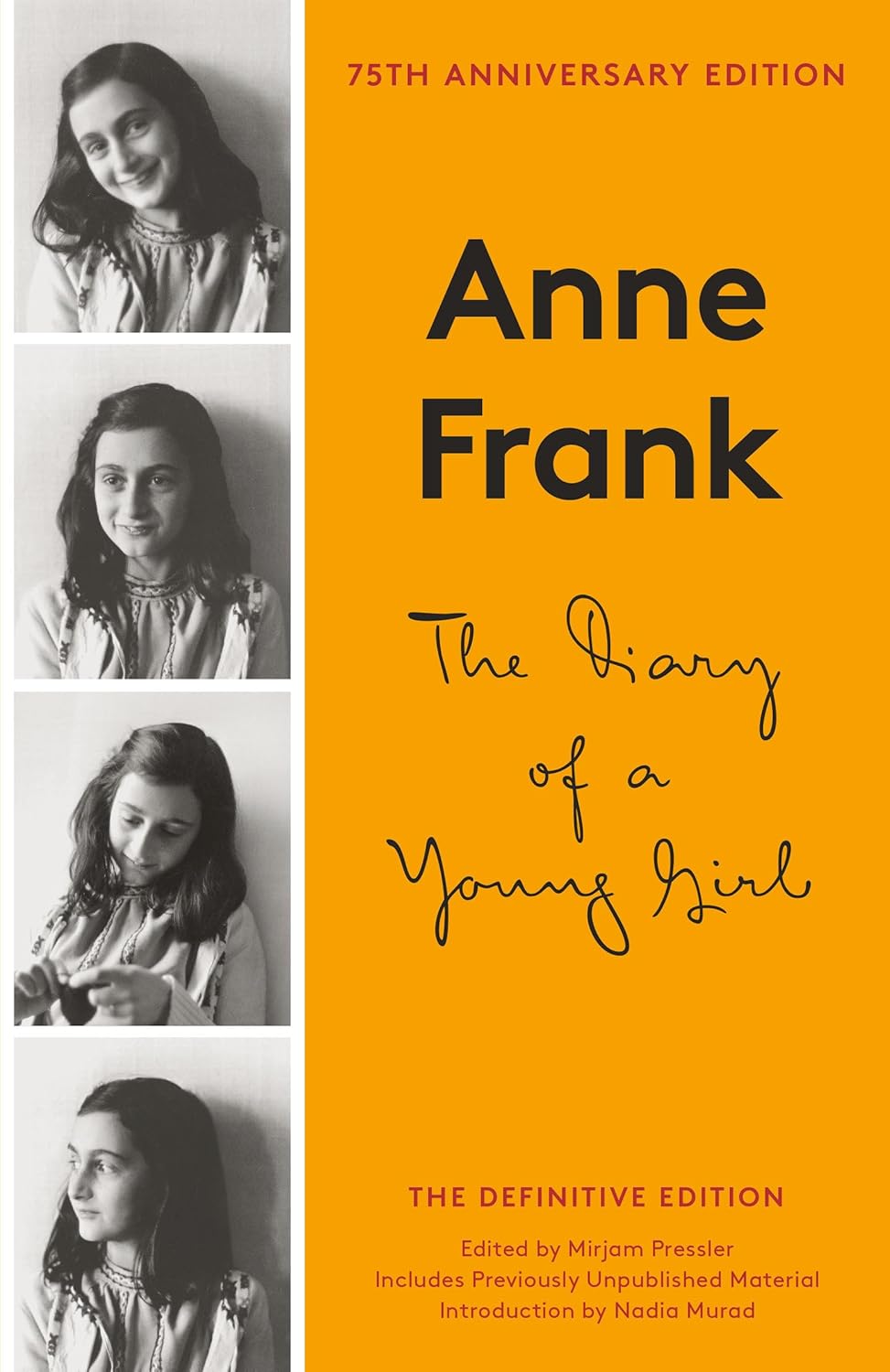
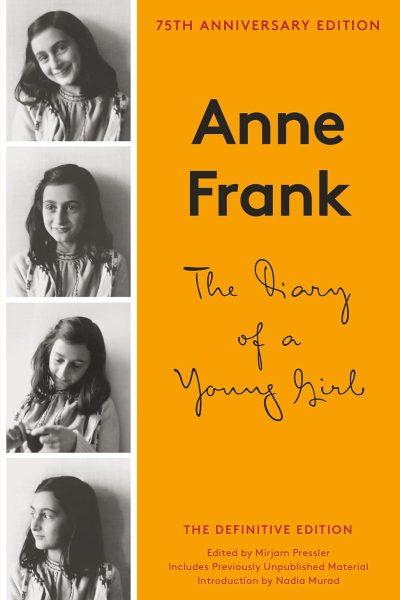
The Diary of a Young Girl

First published in 1947, Diary of a Young Girl is Anne Frank’s unflinching account of her years in hiding during the Nazi occupation of the Netherlands. Written between the ages of 13 and 15, Anne captures the claustrophobia of life in the Secret Annex alongside moments of humor, longing, and sharp self-reflection. More than a historical document, it’s a mirror held up to the human experience—offering a deeply relatable portrait of adolescence under impossible circumstances.

The Diary of a Young Girl

by Anne Frank

Ordinary life under extraordinary threat.

The Quick Look

First published in 1947, Diary of a Young Girl is Anne Frank’s unflinching account of her years in hiding during the Nazi occupation of the Netherlands. Written between the ages of 13 and 15, Anne captures the claustrophobia of life in the Secret Annex alongside moments of humor, longing, and sharp self-reflection. More than a historical document, it’s a mirror held up to the human experience—offering a deeply relatable portrait of adolescence under impossible circumstances.

  • Release Date: June 5, 1947
  • Pages: 351
  • Genre: Non-Fiction / Memoir / Historical
  • Themes: Isolation, resilience, adolescence, identity, humanity in crisis
  • Read if you like: First-person narratives, WWII history, candid coming-of-age stories
  • Best for: Readers seeking both history and humanity in one voice
  • Skip if: Don’t. It’s such an important work that everyone should read it.

Enjoyment:
Writing:
Characters:
Plot:
Readability:
Setting:

♥ ♥ ♥ ♥
♥ ♥ ♥ ♥ ♥
♥ ♥ ♥ ♥
♥ ♥ ♥
♥ ♥ ♥ ♥ ♥
♥ ♥ ♥ ♥ ♥

Enjoyment:   ♥ ♥ ♥ ♥
Writing:         ♥ ♥ ♥ ♥ ♥
Characters:   ♥ ♥ ♥ ♥
Plot:                ♥ ♥ ♥
Readability:   ♥ ♥ ♥ ♥ ♥
Setting:          ♥ ♥ ♥ ♥ ♥

The Full Review

PLOT & PACING

Anne’s diary doesn’t follow a traditional storyline—you won’t find a clear beginning, middle, and end shaped for dramatic effect. Instead, it unfolds as life actually happens: a mix of long, uneventful days; sharp spikes of tension; and occasional moments of joy. The sense of confinement is palpable—rooms described in detail, whispered conversations, the constant fear of being heard by someone who might betray them. And yet, between descriptions of rationed food and whispered arguments, there are dances, shared meals, and dreams of the future. The pacing is deliberate because the stakes are not just plot points—they’re life and death.

CHARACTER & VOICE

Anne’s voice is what transforms this diary from historical record to enduring literature. She’s clever, funny, stubborn, and deeply observant, often catching herself in contradictions and analyzing her own flaws with surprising maturity. Her relationships—especially with her parents, sister Margot, and the Van Daan family—are layered with irritation, affection, and the inevitable friction of living in such close quarters. She writes about Peter with both curiosity and adolescent confusion, capturing the awkwardness of first feelings in a place where privacy barely exists. Her humanity and vulnerability make her timeless.

STYLE & ATMOSPHERE

The tone swings between lighthearted musings and heavy reflections, often within the same entry. Anne’s gift lies in her ability to make you feel like you’re in the room with her—leaning over her shoulder as she writes by candlelight. She doesn’t shy away from her emotions, whether she’s lamenting the unfairness of the world or laughing at the quirks of her housemates. The Annex itself becomes a character: a tiny maze of cramped rooms, hidden staircases, and the constant hum of the outside world pressing in through walls and windows.

THEMES & DEPTH

Yes, it’s a record of survival during the Holocaust, but it’s also about the universal experiences of adolescence—wanting to be taken seriously, clashing with parents, feeling lonely in a crowd, aching to experience the world just outside the window. Anne reflects on human nature, morality, and justice with insight far beyond her years. She confronts the absurdity of holding onto ideals in a world that keeps shattering them, and yet she clings to those ideals because letting them go would mean giving up the fight. Her words echo with an enduring moral urgency: history isn’t abstract; it’s lived by people who could be us.

PERSONAL TAKE

When I first read this in high school, I didn’t appreciate the full weight of it. Coming back as an adult, I see not only the unimaginable circumstances but the ordinariness of the life being lived inside them. Anne’s diary is a bridge between then and now—a reminder that the people we learn about in history were once teenagers dreaming about the future, arguing over chores, and wondering if they’d ever be understood. That’s why we read Anne Frank above all others. History so often focuses on the heroic characters that we tend to overlook the ordinary, the people who could very easily be you or me. Anne Frank’s diary makes history personal.
The Final Verdict

Anne Frank’s diary isn’t just about the Holocaust—it’s about the fragility of freedom and the resilience of the human spirit. In a world still facing antisemitism, authoritarianism, and refugee crises, her words challenge us to confront prejudice, protect human rights, and value the ordinary joys we often take for granted. Her voice reminds us that history’s darkest chapters begin with small acts of intolerance—and that hope is an act of resistance.

“It is difficult in times like these: ideals, dreams, and cherished hopes rise within us, only to be crushed by grim reality. It's a wonder I haven't abandoned all my ideals, they seem so absurd and impractical. Yet, I cling to them because I still believe, in spite of everything, that people are truly good at heart.”
The Diary of a Young Girl by Anne Frank
Diary of a Young Girl
by Anne Frank
Check Out Our Recent Reviews!

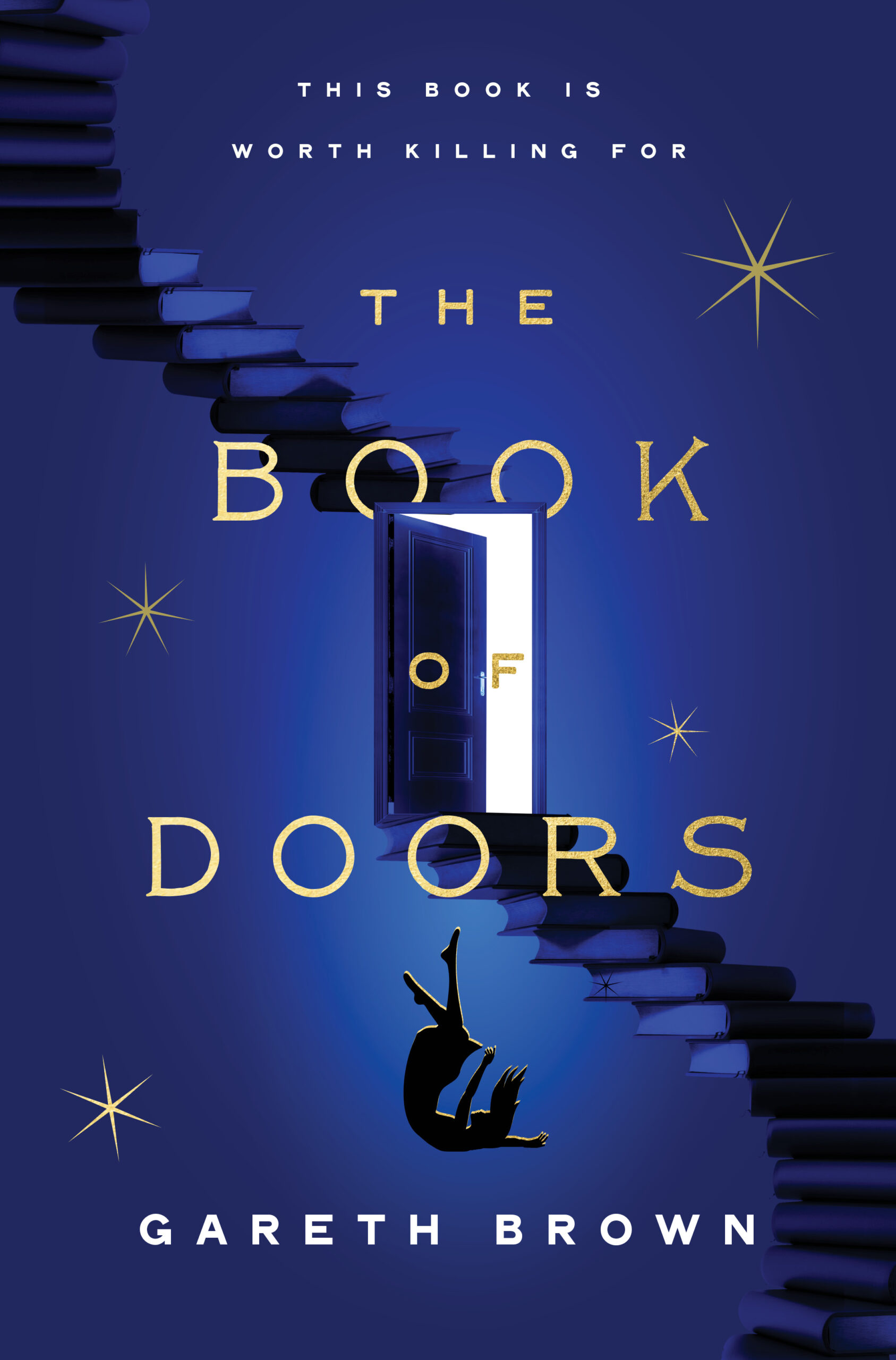
The Book of Doors

What if you could open a door and step into another life—would you risk everything to find out what’s on the other side?

The Book of Doors

by Gareth Brown

Reads like Narnia met Fight Club in a library and made a questionable life choice.

The Book of Doors

Title:

Author:

Genre:

Page Count:

Release Date:

Enjoyment:
Writing:
Characters:
Plot:
Readability:
Setting:

The Book of Doors

Gareth Brown 

Fantasy / Speculative Fiction

400

February 13, 2024

♥ ♥ ♥ ♥ ♥
♥ ♥ ♥ ♥ 
♥ ♥ ♥ ♥ 
♥ ♥ ♥ ♥ ♥
♥ ♥ ♥ ♥ ♥
♥ ♥ ♥ ♥ 

The Quick Look

What if you could open a door and step into another life—would you risk everything to find out what’s on the other side?

  • Themes: Choice, Fate, the Power of Stories, Alternate Realities
  • Read If You Like
    • Doctor Who
    • The Midnight Library by Matt Haig
    • portal fantasies
    • books about books
  • Best For: Fans of magical realism, multiverse stories, and books that feel like treasure hunts
  • Skip If: You hate nonlinear narratives or need everything fully explained

The Full Review

PLOT & PACING
The Book of Doors is ingeniously crafted, spinning a story that’s as twisty as it is absorbing. It starts grounded but quickly unfolds into a mind-bending, multi-reality adventure. The plot doesn’t just hook you—it grabs you by the collar and yanks you through a series of doors you didn’t even know existed. Think: big ball of wibbly-wobbly, timey-wimey stuff—but with books.

CHARACTER & VOICE
The cast is compelling, with main characters who feel both ordinary and extraordinary. There’s a quiet vulnerability in the protagonist’s journey that keeps you emotionally tethered, even as the story veers into the surreal.

The real MVP? The mysterious and slightly untrustworthy librarian figure (you’ll know them when you meet them).

STYLE & ATMOSPHERE
Brown’s prose walks the line between clean and lyrical—never overwrought, but richly atmospheric. He builds a world that feels both familiar and uncanny, like walking through your favorite bookstore only to find a trapdoor to a parallel universe.

THEMES & DEPTH
At its heart, this is a story about choice, consequence, and the stories we tell ourselves to make sense of chaos. It raises deep questions about identity and destiny, without ever slowing the pace for long-winded reflection.

PERSONAL TAKE
I chose this book based solely on its cover. I didn’t even read the summary beforehand, so I went in completely blind!

I’m happy to report that I wasn’t disappointed. The concept is brilliant, the execution tight, and the emotional resonance lingered long after I closed the cover. It’s a book lover’s book—clever, surprising, and full of wonder. I’m not sure I’ll ever read another book quite like it. 

The Final Verdict

A clever, twisty portal fantasy that feels like Doctor Who crashed into The Midnight Library — with a library card and a sense of existential awe.

"I am firmly of the view that more people in this world could use their brains more often, but my dear, if anyone needs to think less about things, it is you."
Mr. Webber, to Cassie
The Book of Doors

Spoilers below...

Desperate to know more about the power these books hold?

The Book of Doors

POWER
Allows the reader to open any door and travel instantly to another place—even across realities or timelines. 

NOTES

This is the central magical artifact. Its powers are vast and mysterious, and it doesn’t come with an instruction manual.

POWER
Allows the reader to manipulate or control shadows—both literal and metaphorical. This includes cloaking, concealment, and possibly influencing people through their emotional or psychic “shadows” (fears, regrets, secrets).

NOTES
This book is not to be trifled with. It seems to have a will of its own and is strongly associated with deception, manipulation, and hidden agendas. Those who use it often find themselves changed—or consumed—by the darkness it touches. It’s unclear whether the book reveals shadows or creates them… and that’s kind of the problem.

POWER
Can reveal, alter, or erase memories.

NOTES
This one raises serious ethical questions—memories shape identity, after all.

POWER
Bends probability in the reader’s favor. With it, things just happen to go your way—dice rolls, coin tosses, chance encounters, narrowly avoided disasters. Luck becomes an active force, subtly shaping events around you.


NOTES
At first, it seems harmless—who wouldn’t want a little extra luck? But over time, the book’s influence can distort reality. The line between earned success and magical cheating gets blurry. Users may become reckless or overconfident, forgetting that luck always has limits… and consequences. Also, there’s the nagging question: if you win because the book helped, did you really win?

POWER 
Grants the ability to ease emotional pain and bring comfort, joy, and peace to others—offering what they need most on a spiritual or emotional level.

NOTES
Unlike the more overt or dangerous books, the Book of Joy’s magic is gentle and restorative. It’s tied to healing, kindness, and quiet transformation rather than control or spectacle.

POWER
Restores health, both physical and emotional. It can mend wounds, cure illness, and even ease grief or trauma.

NOTES
Gentler than most, but still complex. Healing isn’t always straightforward—this book may require emotional vulnerability or cost the reader something in return. It’s often misunderstood as “safe,” but true healing can be painful before it’s soothing. Some say the book chooses who and how to heal, regardless of the reader’s intention.

POWER
Forces honesty or reveals hidden truths.

NOTES
Invaluable—and potentially brutal.

POWER
Manipulates time—pauses, rewinds, accelerates, or loops it.

NOTES

Extremely unstable. Small changes can ripple into chaos. Possibly one of the rarest and most guarded books in the collection.

The Book of Pain

POWER
Inflicts physical or emotional pain on others—or possibly amplifies their existing pain. Can also force the reader to relive their own trauma.

NOTES
Not just a weapon, but a psychological tool. In the wrong hands (which is basically any hands), it becomes a form of torture. Even reading from it feels like an emotional violation. Definitely not meant for casual use.

POWER
Manipulates the will of others—thoughts, emotions, decisions. Essentially a magical form of mind control.

NOTES
One of the most ethically troubling books. Using it robs people of agency, even if the intentions seem good. A book like this doesn’t just tempt—it corrupts. The longer it’s used, the harder it is to stop.

POWER
Creates convincing illusions—sights, sounds, even sensations. Can disguise people, objects, or entire environments.

NOTES
Reality becomes bendable, which makes this book perfect for deception, misdirection, or emotional manipulation. It’s flashy, but also dangerous—it’s easy to lose track of what’s real, even for the reader.

POWER
Induces overwhelming hopelessness or emotional collapse in others. Can drain joy, motivation, or the will to go on.

NOTES
Dark, subtle, and horrifying. It doesn’t attack the body—it erodes the soul. Some readers report feeling its effects just by being near it. Possibly the most dangerous of all, because its effects can’t always be seen until it’s too late.

POWER 
Can put people to sleep instantly, or manipulate their dreams.

NOTES
Subtle and dangerous in the wrong hands—use with caution.

POWER
Lets the reader see things not visible to the naked eye—hidden truths, magical auras, or even glimpses into other worlds.

NOTES
Might show more than you want to see.

POWER
Possibly allows communication with the dead—or worse, resurrection.

NOTES
Rare, feared, and possibly forbidden.

POWER
Can trap or bind people, creatures, or even concepts.

NOTES
Dangerous in the wrong hands; used for control or imprisonment.

The Book of Matter

POWER
Grants the ability to manipulate physical objects and materials—altering, reshaping, or moving matter at will.

NOTES
This is one of the more tangible and potentially dangerous books. Its power can be used for creation or destruction, depending on the user’s intent. It represents control over the physical world and is especially potent when combined with intelligence or ambition. Unlike the more emotional or symbolic books, the Book of Matter is rooted in raw, physical transformation.

POWER
Self-explanatory—summons and controls fire.

NOTES
Highly destructive. Best not left lying around.

POWER
Allows the user to manipulate light—both literally (illumination, visibility) and metaphorically (truth, clarity, perception). It can reveal what is hidden and dispel illusions or darkness, both physical and emotional.

NOTES
The Book of Light is deeply symbolic. Its magic is tied to knowledge, revelation, and hope. It’s less about raw power and more about insight—helping people see things clearly, whether that’s a physical path forward or a deeper understanding of a situation or themselves.

POWER
Grants the user extraordinary speed—both physical quickness and heightened reflexes—allowing them to move, think, and react faster than normal human limits.

NOTES
Its effects go beyond just running fast; it enhances agility, combat ability, and possibly even mental processing. It’s a tool of precision and action, often suited for those in high-risk or physically demanding situations. Unlike some of the other books, its magic is kinetic and outwardly impressive, often used in moments of urgency or danger.

POWER
Creates or controls mist and fog—literal or metaphorical. It can obscure sight, sound, and even memory or time. Some versions suggest it can veil entire places or moments from perception.

NOTES
This book is all about concealment, confusion, and transition. It’s used to hide, escape, or blur reality. Those caught in its mist may lose their way—physically or mentally. There’s a dreamlike, almost liminal quality to its effects, making it both beautiful and unsettling. Readers report that time feels strange when the book is active… as if reality itself gets a little foggy.

POWER
Controls water and weather.

NOTES
More than just storms; some versions suggest emotional or symbolic resonance.

POWER
Allows the reader to change their appearance—or adopt someone else’s entirely. This includes physical features, voice, and possibly even mannerisms or surface-level memories.

NOTES
It’s the ultimate disguise, but also a fast track to an identity crisis. Prolonged use can blur the line between self and façade. Some users report forgetting who they really are underneath the mask. There’s a seductive quality to this book—it lets you become anyone, which makes it a favorite of spies, thieves… and liars.

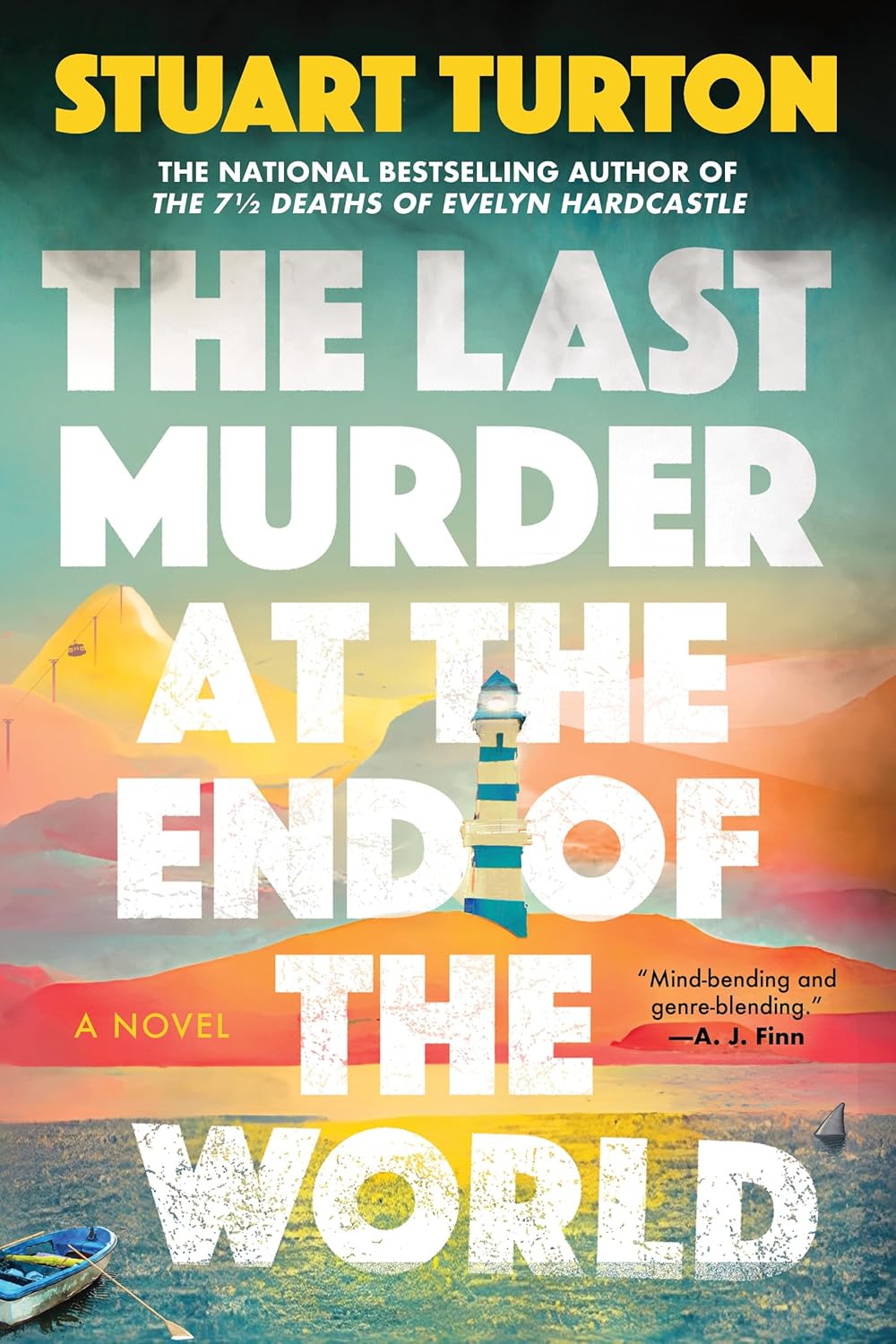
The Last Murder at the End of the World

In The Last Murder at the End of the World, Stuart Turton blends post-apocalyptic survival with locked-room mystery—resulting in a cerebral, genre-defying novel that’s equal parts science fiction and whodunit. If The 7½ Deaths of Evelyn Hardcastle left you spinning (in a good way), prepare for another wild ride.

The Last Murder at the End of the World

by Stuart Turton

A murder mystery. A dying world. And one final truth left to uncover.

The Last Murder at the End of the World by Stuart Turton

Title:

Author:

Genre:

Page Count:

Release Date:

Enjoyment:
Writing:
Characters:
Plot:
Readability:
Setting:

The Last Murder at the End of the World

Stuart Turton

Post-Apocalyptic, Sci-Fi, Mystery

343

May 21, 2024

♥ ♥ ♥ ♥
♥ ♥ ♥ ♥
♥ ♥ ♥ ♥
♥ ♥ ♥ ♥
♥ ♥ ♥
♥ ♥ ♥ ♥

The Quick Look

In The Last Murder at the End of the World, Stuart Turton blends post-apocalyptic survival with locked-room mystery—resulting in a cerebral, genre-defying novel that’s equal parts science fiction and whodunit. If The 7½ Deaths of Evelyn Hardcastle left you spinning (in a good way), prepare for another wild ride.

  • Themes: Dystopia, morality, memory, survival, collective guilt
  • Read if you like: Agatha Christie in space, An Absolutely Remarkable Thing, Children of Time, existential sci-fi
  • Best for: Readers who love twisty mysteries and don’t mind working for the payoff
  • Skip if: You want quick answers, linear timelines, or traditional pacing

The Full Review

PLOT & PACING
The world is gone. What remains is a tiny, isolated island governed by a collective intelligence—and bound by rules designed to protect humanity from itself. When the only person capable of maintaining the status quo is murdered, the system begins to collapse.
Turton unspools the mystery with deliberate slowness, building tension through claustrophobia, paranoia, and the erosion of truth. It’s not fast-paced, but the suspense simmers. And if you think you know where it’s going—you don’t.

CHARACTER & VOICE
The characters here are harder to connect with than in Evelyn Hardcastle, but they still shine. Each one is shaped by trauma, guilt, and the pressure of perfection in a society built on suppression. The protagonist’s voice wrestles with memory and morality—how much of the past should be remembered, and at what cost?

STYLE & ATMOSPHERE
Turton’s writing is thoughtful and layered, leaning into mood and slow revelation rather than flash. The atmosphere is eerie and contained—like a pressure cooker ready to blow. Though the sci-fi elements are prominent, it still feels grounded in human emotion, making the strange setting feel surprisingly relatable.

 THEMES & DEPTH
This isn’t just a mystery—it’s a study in control, violence, and moral erosion. What does it mean to protect humanity from itself? Is forgetting the past the only way to secure the future? Turton digs into these questions with chilling clarity, but never sacrifices mystery for message.

PERSONAL TAKE
Drew: I found the pacing slow and the world so layered it was sometimes hard to fully visualize—but the ideas stuck with me. Turton doesn’t spoon-feed anything.
Jenni: It was weird, but weird in a good way. The kind of weird that keeps you thinking long after you finish.
Together, we agreed: this book is frustrating and brilliant, messy and beautiful. And absolutely worth reading.

The Final Verdict

A strange, slow-burning mystery set in a world on the brink of collapse. It’s about memory, morality, and the stories we tell to survive. Weird, wild, and unforgettable.

"'Why doesn’t anybody question anything?' she asks her grandfather, focusing on him once again. 'They like being happy,' he says softly.'"
The Last Murder at the End of the World by Stuart Turton
The Last Murder at the End of the World
by Stuart Turton

Lula Dean’s Little Library of Banned Books

Kirsten Miller delivers a fiery, feel-good rebellion in Lula Dean’s Little Library of Banned Books—a novel that’s equal parts charming and unflinching. Set in a small Southern town, it tackles big issues like censorship, control, and the fear of change. If you’ve ever been told what to think or what not to read, this one’s for you.

Lula Dean's Little Library of Banned Books

by Kirsten Miller

"The more you know, the freer you are."

Lula Dean's Little Library of Banned Books by Kirsten Miller

Title:

Author:

Genre:

Page Count:

Release Date:

Enjoyment:
Writing:
Characters:
Plot:
Readability:
Setting:

Lula Dean’s Little Library of Banned Books

Kirsten Miller

Contemporary Fiction

292

June 18, 2024

♥ ♥ ♥ ♥ ♥
♥ ♥ ♥ ♥ ♥
♥ ♥ ♥ ♥ ♥
♥ ♥ ♥ ♥ ♥
♥ ♥ ♥ ♥ ♥
♥ ♥ ♥ ♥ ♥

The Quick Look

Kirsten Miller delivers a fiery, feel-good rebellion in Lula Dean’s Little Library of Banned Books—a novel that’s equal parts charming and unflinching. Set in a small Southern town, it tackles big issues like censorship, control, and the fear of change. If you’ve ever been told what to think or what not to read, this one’s for you.

  • Themes: Book banning, small-town politics, power and control, generational change, freedom of thought
  • Read if you like: Stories that celebrate resistance through literature
  • Best for: Readers who believe in the power of books, lovers of library settings, or anyone who’s ever found truth between the pages
  • Skip if: You prefer gritty realism over feel-good fiction, or want high-stakes action over character-driven drama

The Full Review

PLOT & PACING
At the heart of this story is a quiet rebellion—one book at a time. As banned titles disappear from schools and libraries, Lula Dean’s lending library in her front yard, initially stocked with The Southern Belle’s Guide to Etiquette and Our Confederate Heroes, becomes the epicenter of a literary revolution, as they’re replaced with Anne Frank’s Diary of a Young Girl and Toni Morrison’s Beloved. The plot moves with purpose, revealing how book banning isn’t just about books—it’s about controlling people, their ideas, and their futures. While the resolution may be tidier than real life, that’s part of the book’s hopeful magic.

CHARACTER & VOICE
The characters are instantly familiar—because you’ve met them before. This is an ensemble cast made up of familiar characters. They’re all meant to feel like your neighbors. Miller breathes authenticity into them all, from Lula Dean herself to the people fighting her. Their voices crackle with truth, tension, and wit.

STYLE & ATMOSPHERE
Miller’s style walks a perfect line: clever but not pretentious, heartfelt without being sentimental. The Southern setting is vivid—dusty sidewalks, whisper campaigns, and that stifling sense that everyone knows your business. It’s the kind of place where books can spark rebellion.

THEMES & DEPTH
This book is a rallying cry disguised as fiction. It explores how banning books is never really about morality—it’s about control. It shows how fear can warp tradition and how stories can tear down walls. And it’s a timely reminder that access to knowledge is the cornerstone of a free society.

PERSONAL TAKE
I loved this book. Miller’s depiction of a Southern town hit close to home, and the message couldn’t be more urgent in today’s political climate. While the ending may have wrapped up too neatly, that’s part of the charm—it’s a wishful imagining of what could happen if enough people just stood up and said, “No more.” This felt like required reading for right now.

The Final Verdict

A bold, timely, and ultimately hopeful reminder that stories matter—and the freedom to read them matters even more.

"What matters is never letting people tell you what to think. Don't let them convince you that one way is right and another way wrong. Gather as much knowledge as you can because information is power. And choosing how to use it is freedom. The more you know, the freer you are."
Lula Dean's Little Library of Banned Books by Kirsten Miller
Lula Dean's Little Library of Banned Books
by Kirsten Miller

The Midnight Library

Thought-provoking and quietly uplifting, The Midnight Library is a story that wanders between lives, but always returns to one simple truth: being alive, even imperfectly, is enough. This is fiction for the soul—gentle, philosophical, and full of heart.

The Midnight Library

by Matt Haig

What if there were a different version of you behind every regret?

The Midnight Library by Matt Haig

Title:

Author:

Genre:

Page Count:

Release Date:

Enjoyment:
Writing:
Characters:
Plot:
Readability:
Setting:

The Midnight Library

Matt Haig

Speculative/Philosophical Fiction

288

August 13, 2020

♥ ♥ ♥ ♥ ♥
♥ ♥ ♥ ♥
♥ ♥ ♥ ♥ ♥
♥ ♥ ♥ ♥ ♥
♥ ♥ ♥ ♥ ♥
♥ ♥ ♥ ♥

The Quick Look

Thought-provoking and quietly uplifting, The Midnight Library is a story that wanders between lives, but always returns to one simple truth: being alive, even imperfectly, is enough. This is fiction for the soul—gentle, philosophical, and full of heart.

  • Themes: Regret, choice, the impact we have on others, self-worth, second chances.
  • Read if you like: It’s a Wonderful Life, sliding-door stories, emotional self-discovery, or books that ask big questions with a light touch.
  • Best for: Readers seeking a hopeful story that wrestles with dark thoughts but never loses its grip on light.
  • Skip if: You prefer fast-paced plot-driven stories, or don’t enjoy books that lean into philosophical reflection.

The Full Review

PLOT & PACING
The story begins in the moments after Nora Seed decides she no longer wants to live. But instead of death, she finds herself in a magical library between life and death. Each book on its shelves contains a different version of her life—paths she could’ve taken, regrets she’s carried. As she tries on each one, Nora begins to understand the value of her own life and the countless ways we unknowingly affect others. The structure is episodic but consistently engaging, especially as the emotional stakes build.

CHARACTER & VOICE
Nora is a beautifully rendered protagonist. Her voice is vulnerable, sharp, and deeply human. She feels like someone you could meet at the grocery store—or be yourself on a bad day. Her journey is one of the most tender and convincing character arcs in recent memory. The supporting characters don’t always feel fully fleshed out, but they serve their roles well as reflections of Nora’s inner struggles and possibilities.

STYLE & ATMOSPHERE
Haig’s prose is clean and accessible, never showy. That simplicity allows the emotional beats to land more deeply. The tone is gentle, almost therapeutic at times, without veering into sentimentality. It’s a comforting read, even as it explores painful territory.

THEMES & DEPTH
Regret, self-worth, and the power of choice are the novel’s core pillars. Haig draws a compelling connection between philosophical inquiry and lived experience. What makes a life worth living? Can a single choice really define us? The book never pretends to have all the answers—but it asks the questions in ways that linger.

PERSONAL TAKE
I loved this book. Truly. It felt like a balm—like a conversation I needed to have. I’m surprised it didn’t resonate more deeply with everyone, but for me, it hit every note. If you’ve ever felt the tug of regret or wondered “what if?” The Midnight Library will speak to you. Maybe even save you, a little.

The Final Verdict

A quiet, life-affirming novel about regrets, resilience, and how the smallest lives can cast the longest shadows.

“If you aim to be something you are not, you will always fail. Aim to be you. Aim to look and act and think like you. Aim to be the truest version of you. Embrace that you-ness. Endorse it. Love it. Work hard at it. And don't give a second thought when people mock it or ridicule it. Most gossip is envy in disguise.”
The Midnight Library by Matt Haig
The Midnight Library
by Matt Haig

Taste: My Life Through Food

Stanley Tucci serves up his life one lovingly prepared dish at a time, reminding us that the best stories—and the best meals—are meant to be shared.

Taste: My Life Through Food

by Stanley Tucci

Come for the negroni and carbonara. Stay for the stories.

Taste: My Life Through Food by Stanley Tucci

Title:

Author:

Genre:

Page Count:

Release Date:

Enjoyment:
Writing:
Characters:
Plot:
Readability:
Setting:

Taste: My Life Through Food

Stanley Tucci

Memoir (and cookbook)

286

October5, 2021

♥ ♥ ♥ ♥ ♥
♥ ♥ ♥ ♥ ♥
♥ ♥ ♥ ♥ ♥
♥ ♥ ♥ ♥ ♥
♥ ♥ ♥ ♥ ♥
♥ ♥ ♥ ♥ ♥

The Quick Look

Part memoir, part cookbook, Taste is Stanley Tucci at his most charming—witty, warm, and insatiably obsessed with food. It’s not just about meals, but moments: family gatherings, film sets, health scares, and the stories that shape a life. If you weren’t already in love with Tucci, prepare yourself.

  • Themes: Family, growth, the journey of life through food.
  • Read if you like: Kitchen Confidential, Eat Pray Love, or hearing someone’s entire life story told over a shared meal.
  • Best for: Foodies, Tucci fans, memoir lovers, and anyone who thinks meals are meant to be shared.
  • Skip if: You don’t enjoy food descriptions (who are you??), dislike celebrity memoirs, or want a more traditional narrative arc.

The Full Review

PLOT & PACING
This isn’t a traditional memoir with a tidy beginning, middle, and end. Instead, Tucci structures his story through the lens of food—from his Italian-American upbringing to dinners on movie sets, to his battle with cancer (spoiler alert!). Each chapter feels like a delicious new course, complete with anecdotes and recipes that let you taste along.

CHARACTER & VOICE
Tucci is magnetic. His voice (especially in the audiobook) is part dinner party host, part wisecracking dad (Have you seen him in Easy A?), part sentimental gourmand. His stories about his parents, his late wife Kate, and his love for his current family are full of heart. This is a man who feels deeply and lives deliciously—and it shows.

STYLE & ATMOSPHERE
Effortlessly stylish—like Tucci himself. There’s a clear through-line of elegance, humor, and genuine love for food and people. The tone is conversational, but never shallow. You feel like you’re at his kitchen counter, sipping wine and listening to him talk as he cooks.

THEMES & DEPTH
Food is the lens, but the themes are universal: love, grief, joy, resilience. Tucci shows us how recipes can be heirlooms, how the loss of taste can be devastating, and how even the most everyday meals can become extraordinary when shared with people you love.

PERSONAL TAKE
I loved every bite of this book. Whether he’s roasting chickens or roasting himself, Tucci never misses. I laughed, I got hungry, I even teared up. And yes, I absolutely listened to the audiobook—and you should too. It’s an experience.

The Final Verdict

A cozy, compelling memoir seasoned with sharp wit and genuine heart. Tucci doesn’t just tell you his story—he feeds it to you.

"Spaghetti alla carbonara. Fuck. It's incredible. Especially at this one place in Rome. FUCK!!!!"
Taste: My Life Through Food by Stanley Tucci
Taste
by Stanley Tucci

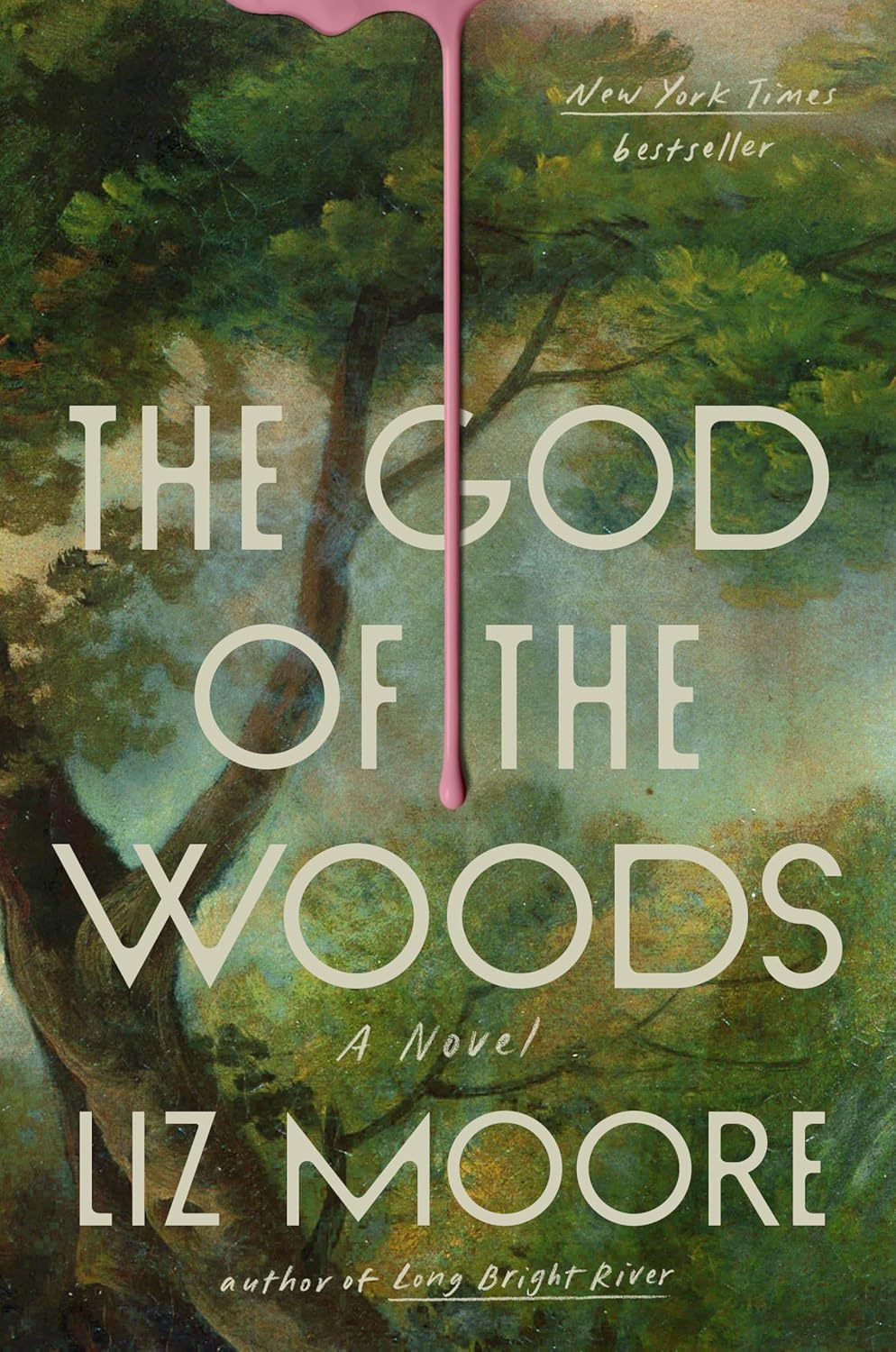
The God of the Woods

Thematically rich and blessed with a spectacular setting and cast of intriguing characters, The God of the Woods may be my favorite novel of 2024.

The God of the Woods

by Liz Moore

Power, privilege, and the women who refuse to be controlled.

The God of the Woods

Title:

Author:

Genre:

Page Count:

Release Date:

Enjoyment:
Writing:
Characters:
Plot:
Readability:
Setting:

The God of the Woods

Liz Moore

Literary Fiction

476

February 28, 2023

♥ ♥ ♥ ♥ ♥
♥ ♥ ♥ ♥ ♥
♥ ♥ ♥ ♥ ♥
♥ ♥ ♥ ♥ ♥
♥ ♥ ♥ ♥ ♥
♥ ♥ ♥ ♥ ♥

The Quick Look

With exquisite pacing and a fierce sense of justice, The God of the Woods unspools a multi-generational mystery rooted in wealth, silence, and rebellion. Set against the eerie grandeur of a 1970s Adirondack summer camp, Liz Moore crafts a haunting, feminist triumph about breaking free from the roles we’re assigned.

  • Themes: Generational trauma, self-reliance, haves vs. have-nots, control, independent women
  • Read if you like: East of Eden, Little Fires Everywhere, layered family dramas, or literary thrillers that don’t sacrifice character.
  • Best for: Readers who crave smart, layered prose and stories about strong women claiming agency in the face of oppressive systems.
  • Skip if: You need fast pacing, tidy resolutions, or prefer plot over character depth.

The Full Review

PLOT & PACING
On the surface, this is a missing-person mystery set at a Camp Emerson (Henry David Thoreau would approve) an elite summer camp set in the Adirondak mountains. But it’s so much more. The story unfolds across timelines and perspectives, slowly revealing the cracks in the Van Laar family’s carefully maintained image. As truths are uncovered, so are the ugly systems of power that sustain them. It’s a slow burn—but one that rewards patience with a blazing, unforgettable conclusion.

CHARACTER & VOICE
Every woman in this novel fights. Barbara, Judy, TJ, Louise—each one brings her own strength, and every arc feels richly earned. Even minor characters resonate. Moore imbues them all with quiet rage, hope, and complexity. Barbara, in particular, steals the show—a girl who dares to resist, even when resistance means being erased.

STYLE & ATMOSPHERE
Lush, precise, and emotionally grounded, the prose never calls too much attention to itself, but it lands. The setting—dense woods, fading wealth, the isolated chill of Camp Emerson—drips with tension. Moore knows how to let setting speak. You feel the weight of legacy in every room, every tree-lined path.

THEMES & DEPTH
This is about systems—class, wealth, gender—and the people caught in them. Moore critiques how privilege survives by feeding off the labor and bodies of others, particularly women. The novel champions those who fight to reclaim their stories. 

PERSONAL TAKE
This was my Lolly (Book of the Year) pick for Book of the Month Club—and for good reason. I’ll be thinking about Barbara Van Laar for a long time. About the ways her silence screamed, the ways Judy kept digging, and how TJ made peace on her own terms. The God of the Woods isn’t just beautifully written—it’s important. I’ll be recommending it to everyone.

The Final Verdict

Thematically rich, emotionally sharp, and absolutely unforgettable—this is literary fiction at its finest.