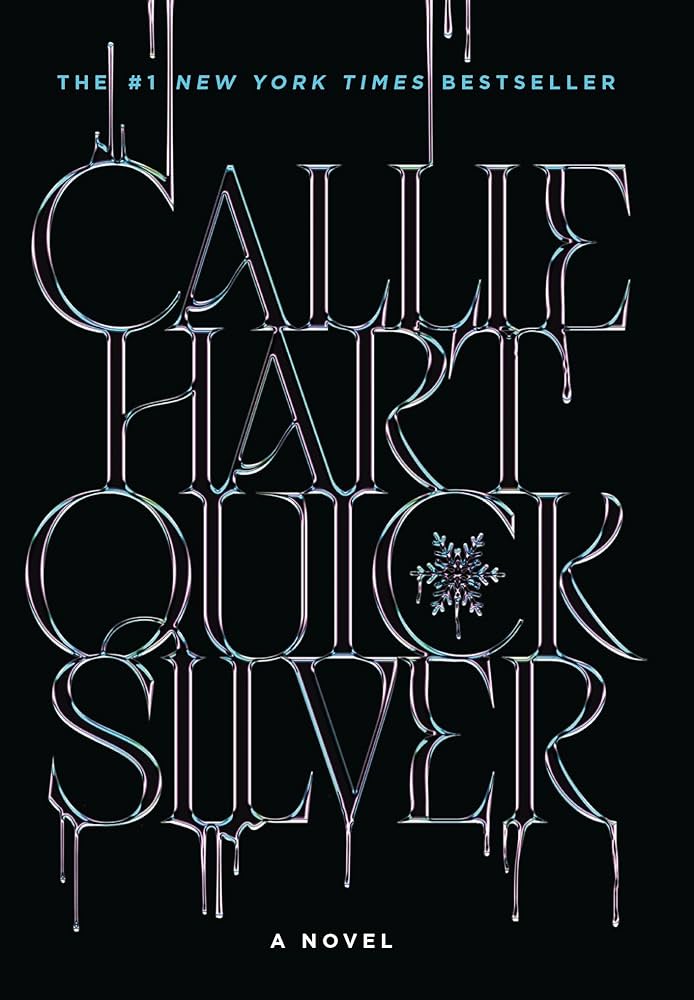
Quicksilver

Quicksilver is a dazzling, character-driven fantasy full of sharp edges, unforgettable voices, and just enough loose ends to leave you desperate for book two.

Quicksilver

by Callie Hart

A multiverse of mortals and myths collides in this fierce, fast-paced tale of survival and self-discovery.

The Quick Look

Quicksilver pulls readers into a dazzling multiverse where humans and mythical beings clash, connect, and transform. Saeris Fane is a heroine you can’t look away from — brave, reckless, and impossible not to root for. As alliances shift and dangers mount, every choice comes with a cost.

  • Release Date: December 3, 2024
  • Pages: 609
  • Genre: Fantasy 
  • Themes: becoming and acceptance, fate vs. choice, survival, complicated love, power and its costs
  • Read if you like: 
    – Fierce, street-smart heroines (think Aladdin meets Throne of Glass)
    – Mythical creatures woven into gritty worlds
    – Characters you’ll love to hate (and hate to love)
  • Best for: Fantasy fans craving an escapist adventure with sharp edges
  • Skip if: You prefer tidy endings — this one leaves threads dangling for the sequel (COMING NOVEMBER 18 TO A BOOKSTORE NEAR YOU!)

Enjoyment:
Writing:
Characters:
Plot:
Readability:
Setting:

♥ ♥ ♥ ♥
♥ ♥ ♥ ♥
♥ ♥ ♥ ♥
 ♥
♥ ♥ ♥ ♥ 
♥ ♥ ♥ ♥
♥ ♥ ♥ ♥ ♥

Enjoyment:   ♥ ♥ ♥ ♥
Writing:         ♥ ♥ ♥ ♥
Characters:   ♥ ♥ ♥ ♥ ♥
Plot:                ♥ ♥ ♥ ♥
Readability:   ♥ ♥ ♥ ♥ 
Setting:          ♥ ♥ ♥ ♥ ♥

The Full Review

PLOT & PACING
From the opening chase scene, Quicksilver moves at a sprint. The stakes are high, the danger constant, and the magic system — especially the way quicksilver itself bonds with its chosen — adds freshness to the familiar beats of survival fantasy. Not every question is answered, but the setup for Brimstone is strong.

CHARACTER & VOICE
Saeris Fane commands the page, her voice both fearless and familiar. She’s scrappy, clever, and instantly reminiscent of Aladdin dodging the guards. Kingfisher is as maddening as he is magnetic, while Lorreth and Carrion Swift muscle their way into your affections despite yourself. Renfis remains a quirky question mark I hope the sequel resolves.

STYLE & ATMOSPHERE
Hart builds a vivid multiverse: lush, dangerous, and buzzing with possibility. Her style balances grit with beauty, keeping readers immersed in both the battles and the quieter, more emotional beats.

THEMES & DEPTH
At its core, Quicksilver is about becoming — choosing who you’ll be in a world that wants to decide for you. It’s also about connection: who you trust, who betrays you, and what power costs when it’s shared or stolen.

PERSONAL TAKE
I don’t always love fantasy, but this was pure fun. The characters stood out in a huge way, the world pulled me in, and the quicksilver itself felt like a character all its own. It’s a fantastic escape, full of people you’ll root for, rail against, or reluctantly adore.

The Final Verdict

Fast, fierce, and unforgettable — Quicksilver is a sharp-edged fantasy that leaves you ready for the next plunge.

Check Out Our Recent Reviews!

Bury Our Bones in the Midnight Soil

V.E. Schwab delivers a haunting, poetic masterpiece in Bury Our Bones in the Midnight Soil. This standalone sapphic gothic fantasy weaves the stories of Maria, Charlotte, and Alice—three women from different eras bound by blood, desire, and the fight to live freely in a world that demands their submission. It’s a tale of autonomy, consequence, and craving—both literal and metaphorical.

Bury Our Bones in the Midnight Soil

by V.E. Schwab

What they couldn’t have in life, they took in death.

Bury Our Bones in the Midnight Soil by V.E. Schwab

Title:

Author:

Genre:

Page Count:

Release Date:

Enjoyment:
Writing:
Characters:
Plot:
Readability:
Setting:

Bury Our Bones in the Midnight Soil

V.E. Schwab

Gothic Fantasy

533

June 10, 2025

♥ ♥ ♥ ♥ ♥
♥ ♥ ♥ ♥ ♥
♥ ♥ ♥ ♥ ♥
♥ ♥ ♥ ♥ ♥
♥ ♥ ♥ ♥ ♥
♥ ♥ ♥ ♥ ♥

The Quick Look

V.E. Schwab delivers a haunting, poetic masterpiece in Bury Our Bones in the Midnight Soil. This standalone sapphic gothic fantasy weaves the stories of Maria, Charlotte, and Alice—three women from different eras bound by blood, desire, and the fight to live freely in a world that demands their submission. It’s a tale of autonomy, consequence, and craving—both literal and metaphorical.

  • Themes: Autonomy, hunger, queerness, societal expectation, choice & consequence.
  • Read if you like: Feminist horror, vampire mythology, lush prose, or stories that ask what freedom really costs.
  • Best for: Readers craving character-driven gothic tales that ache with beauty and sorrow.
  • Skip if: You want a plot-driven page-turner without slow burn or introspection. Or, better yet… don’t!

The Full Review

PLOT & PACING
Told across many centuries, the story follows Maria, Charlotte, and Alice, women bound not by time but by shared defiance. Each faces a life marked by isolation, repression, and a yearning for more. Their paths twist through love, trauma, death, and rebirth as they embrace a dark power that offers freedom at a terrible cost. The pacing is deliberate, steeped in gothic atmosphere and internal reckoning, and the threads tie together in a devastatingly satisfying finale.

CHARACTER & VOICE
Maria is fire and fury. Charlotte is longing and love. Alice is ache and grief. Schwab renders each woman with astonishing clarity and emotional depth. Even the secondary characters shine. But it’s the intimacy of each voice—their rage, tenderness, defiance—that makes this story so arresting. These women feel real, like friends you grieve for long after the final page.

STYLE & ATMOSPHERE
This is Schwab at her most lyrical. Her writing lingers on the tongue like a spell: lush, intimate, aching. The gothic settings are thick with dread and wonder—from Spanish manors and grand Venetian houses to lavish English mansions and even Boston Common. Darkness pervades, but so does fierce light. The atmosphere doesn’t just haunt—it devours.

THEMES & DEPTH
Bury Our Bones is about the price of freedom. It’s about hunger—sexual, emotional, existential—and the power of reclaiming your story. Vampirism here isn’t just bloodlust—it’s metaphor. It’s survival. It’s defiance. Schwab unearths the rot beneath patriarchal structures and dares her characters to burn it all down.

PERSONAL TAKE
This novel gutted us—in the best way. Jenni said she was left starving for more. For Drew, it was a masterclass in character, metaphor, and social commentary. Schwab reminds us that living fully, fiercely, freely often comes at a cost—but that doesn’t mean it isn’t worth it.

The Final Verdict

Dark, dazzling, and unflinchingly bold—Schwab’s latest is a centuries-spanning reckoning with who we’re told to be, and the fierce, burning hunger to become something more.

The world will try to make you small. It will tell you to be modest, and meek. But the world is wrong. You should get to feel and love and live as boldly as you want.
Bury Our Bones in the Midnight Soil by V.E. Schwab
Bury Our Bones in the Midnight Soil
by V.E. Schwab

Shadow & Bone

Shadow & Bone is an accessible, atmospheric fantasy where the villain steals the show and the world-building keeps you hooked.

Shadow & Bone

by Leigh Bardugo

When darkness falls, one girl’s light could change the fate of an entire kingdom.

The Quick Look

Shadow & Bone sweeps readers into the Grishaverse with magic, political intrigue, and a heroine grappling with newfound power. While it doesn’t reinvent fantasy tropes, it offers an easy-to-read, immersive story with a villain who steals the spotlight and minor characters who shine brightly.

  • Release Date: April 20, 2021
  • Pages: 416
  • Genre: Fantasy / Young Adult
  • Themes: power and corruption, identity and self-discovery, loyalty and betrayal, light vs. darkness
  • Read if you like: 
    – Russian-inspired settings
    – Powerful, morally gray villains
    – Magic-driven world building
  • Best for: Readers who enjoy YA fantasy that’s accessible, atmospheric and brimming with mysticism
  • Skip if: You’re looking for complex, layered characters across the board or groundbreaking originality

Enjoyment:
Writing:
Characters:
Plot:
Readability:
Setting:

♥ ♥ ♥ ♥
♥ ♥ ♥ ♥
♥ ♥ ♥

♥ ♥ ♥ ♥ 
♥ ♥ ♥ ♥ ♥
♥ ♥ ♥ ♥

Enjoyment:   ♥ ♥ ♥ ♥
Writing:         ♥ ♥ ♥ ♥
Characters:   ♥ ♥ ♥
Plot:                ♥ ♥ ♥ ♥
Readability:   ♥ ♥ ♥ ♥ ♥ 
Setting:          ♥ ♥ ♥ ♥

The Full Review

PLOT & PACING
The story follows Alina Starkov, an ordinary mapmaker who discovers a hidden power that could save her war-torn country. Bardugo’s pacing is steady, mixing bursts of action with quieter moments of training and discovery. A few twists keep the narrative from feeling predictable, though the overall arc leans on familiar fantasy beats.

CHARACTER & VOICE
Alina is a solid lead, but it’s the supporting cast that lingers—Mal’s loyalty, Genya’s wit, and of course, the Darkling’s magnetic menace. The villain nearly outshines the heroine, and the interplay of minor characters gives the world added vibrancy.

STYLE & ATMOSPHERE
Bardugo’s writing is smooth and easy to slip into, prioritizing clarity over flourish. The atmosphere, however, is majestic—rooted in a setting that feels both mystical and lived-in, with the Shadow Fold serving as a striking, memorable backdrop.

THEMES & DEPTH
At its core, Shadow & Bone wrestles with questions of belonging and the lure of power. While it doesn’t dig too deeply into its themes, the contrasts between light and darkness — both literal and moral — make for an engaging foundation.

PERSONAL TAKE
This was a fun, fascinating fantasy read. While not utterly remarkable, it had enough unexpected turns to keep me invested. The immersive world and strong villain left me eager to see where the series heads next.

The Final Verdict

A mystical, immersive fantasy that balances easy readability with a compelling villain and a world that begs for more exploration.

Check Out Our Recent Reviews!

The Book of Doors

What if you could open a door and step into another life—would you risk everything to find out what’s on the other side?

The Book of Doors

by Gareth Brown

Reads like Narnia met Fight Club in a library and made a questionable life choice.

The Book of Doors

Title:

Author:

Genre:

Page Count:

Release Date:

Enjoyment:
Writing:
Characters:
Plot:
Readability:
Setting:

The Book of Doors

Gareth Brown 

Fantasy / Speculative Fiction

400

February 13, 2024

♥ ♥ ♥ ♥ ♥
♥ ♥ ♥ ♥ 
♥ ♥ ♥ ♥ 
♥ ♥ ♥ ♥ ♥
♥ ♥ ♥ ♥ ♥
♥ ♥ ♥ ♥ 

The Quick Look

What if you could open a door and step into another life—would you risk everything to find out what’s on the other side?

  • Themes: Choice, Fate, the Power of Stories, Alternate Realities
  • Read If You Like
    • Doctor Who
    • The Midnight Library by Matt Haig
    • portal fantasies
    • books about books
  • Best For: Fans of magical realism, multiverse stories, and books that feel like treasure hunts
  • Skip If: You hate nonlinear narratives or need everything fully explained

The Full Review

PLOT & PACING
The Book of Doors is ingeniously crafted, spinning a story that’s as twisty as it is absorbing. It starts grounded but quickly unfolds into a mind-bending, multi-reality adventure. The plot doesn’t just hook you—it grabs you by the collar and yanks you through a series of doors you didn’t even know existed. Think: big ball of wibbly-wobbly, timey-wimey stuff—but with books.

CHARACTER & VOICE
The cast is compelling, with main characters who feel both ordinary and extraordinary. There’s a quiet vulnerability in the protagonist’s journey that keeps you emotionally tethered, even as the story veers into the surreal.

The real MVP? The mysterious and slightly untrustworthy librarian figure (you’ll know them when you meet them).

STYLE & ATMOSPHERE
Brown’s prose walks the line between clean and lyrical—never overwrought, but richly atmospheric. He builds a world that feels both familiar and uncanny, like walking through your favorite bookstore only to find a trapdoor to a parallel universe.

THEMES & DEPTH
At its heart, this is a story about choice, consequence, and the stories we tell ourselves to make sense of chaos. It raises deep questions about identity and destiny, without ever slowing the pace for long-winded reflection.

PERSONAL TAKE
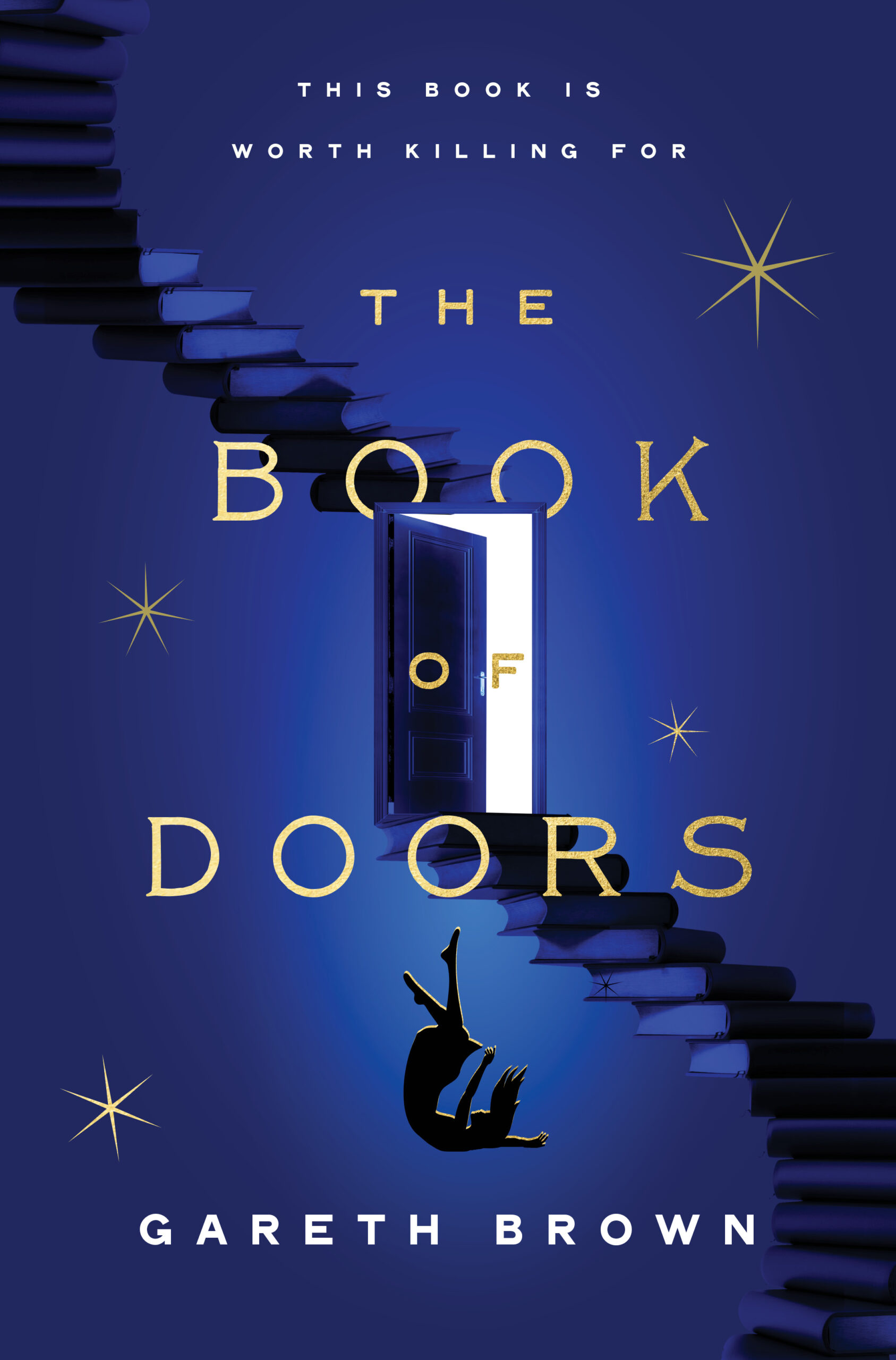
I chose this book based solely on its cover. I didn’t even read the summary beforehand, so I went in completely blind!

I’m happy to report that I wasn’t disappointed. The concept is brilliant, the execution tight, and the emotional resonance lingered long after I closed the cover. It’s a book lover’s book—clever, surprising, and full of wonder. I’m not sure I’ll ever read another book quite like it. 

The Final Verdict

A clever, twisty portal fantasy that feels like Doctor Who crashed into The Midnight Library — with a library card and a sense of existential awe.

"I am firmly of the view that more people in this world could use their brains more often, but my dear, if anyone needs to think less about things, it is you."
Mr. Webber, to Cassie
The Book of Doors

Spoilers below...

Desperate to know more about the power these books hold?

The Book of Doors

POWER
Allows the reader to open any door and travel instantly to another place—even across realities or timelines. 

NOTES

This is the central magical artifact. Its powers are vast and mysterious, and it doesn’t come with an instruction manual.

POWER
Allows the reader to manipulate or control shadows—both literal and metaphorical. This includes cloaking, concealment, and possibly influencing people through their emotional or psychic “shadows” (fears, regrets, secrets).

NOTES
This book is not to be trifled with. It seems to have a will of its own and is strongly associated with deception, manipulation, and hidden agendas. Those who use it often find themselves changed—or consumed—by the darkness it touches. It’s unclear whether the book reveals shadows or creates them… and that’s kind of the problem.

POWER
Can reveal, alter, or erase memories.

NOTES
This one raises serious ethical questions—memories shape identity, after all.

POWER
Bends probability in the reader’s favor. With it, things just happen to go your way—dice rolls, coin tosses, chance encounters, narrowly avoided disasters. Luck becomes an active force, subtly shaping events around you.


NOTES
At first, it seems harmless—who wouldn’t want a little extra luck? But over time, the book’s influence can distort reality. The line between earned success and magical cheating gets blurry. Users may become reckless or overconfident, forgetting that luck always has limits… and consequences. Also, there’s the nagging question: if you win because the book helped, did you really win?

POWER 
Grants the ability to ease emotional pain and bring comfort, joy, and peace to others—offering what they need most on a spiritual or emotional level.

NOTES
Unlike the more overt or dangerous books, the Book of Joy’s magic is gentle and restorative. It’s tied to healing, kindness, and quiet transformation rather than control or spectacle.

POWER
Restores health, both physical and emotional. It can mend wounds, cure illness, and even ease grief or trauma.

NOTES
Gentler than most, but still complex. Healing isn’t always straightforward—this book may require emotional vulnerability or cost the reader something in return. It’s often misunderstood as “safe,” but true healing can be painful before it’s soothing. Some say the book chooses who and how to heal, regardless of the reader’s intention.

POWER
Forces honesty or reveals hidden truths.

NOTES
Invaluable—and potentially brutal.

POWER
Manipulates time—pauses, rewinds, accelerates, or loops it.

NOTES

Extremely unstable. Small changes can ripple into chaos. Possibly one of the rarest and most guarded books in the collection.

The Book of Pain

POWER
Inflicts physical or emotional pain on others—or possibly amplifies their existing pain. Can also force the reader to relive their own trauma.

NOTES
Not just a weapon, but a psychological tool. In the wrong hands (which is basically any hands), it becomes a form of torture. Even reading from it feels like an emotional violation. Definitely not meant for casual use.

POWER
Manipulates the will of others—thoughts, emotions, decisions. Essentially a magical form of mind control.

NOTES
One of the most ethically troubling books. Using it robs people of agency, even if the intentions seem good. A book like this doesn’t just tempt—it corrupts. The longer it’s used, the harder it is to stop.

POWER
Creates convincing illusions—sights, sounds, even sensations. Can disguise people, objects, or entire environments.

NOTES
Reality becomes bendable, which makes this book perfect for deception, misdirection, or emotional manipulation. It’s flashy, but also dangerous—it’s easy to lose track of what’s real, even for the reader.

POWER
Induces overwhelming hopelessness or emotional collapse in others. Can drain joy, motivation, or the will to go on.

NOTES
Dark, subtle, and horrifying. It doesn’t attack the body—it erodes the soul. Some readers report feeling its effects just by being near it. Possibly the most dangerous of all, because its effects can’t always be seen until it’s too late.

POWER 
Can put people to sleep instantly, or manipulate their dreams.

NOTES
Subtle and dangerous in the wrong hands—use with caution.

POWER
Lets the reader see things not visible to the naked eye—hidden truths, magical auras, or even glimpses into other worlds.

NOTES
Might show more than you want to see.

POWER
Possibly allows communication with the dead—or worse, resurrection.

NOTES
Rare, feared, and possibly forbidden.

POWER
Can trap or bind people, creatures, or even concepts.

NOTES
Dangerous in the wrong hands; used for control or imprisonment.

The Book of Matter

POWER
Grants the ability to manipulate physical objects and materials—altering, reshaping, or moving matter at will.

NOTES
This is one of the more tangible and potentially dangerous books. Its power can be used for creation or destruction, depending on the user’s intent. It represents control over the physical world and is especially potent when combined with intelligence or ambition. Unlike the more emotional or symbolic books, the Book of Matter is rooted in raw, physical transformation.

POWER
Self-explanatory—summons and controls fire.

NOTES
Highly destructive. Best not left lying around.

POWER
Allows the user to manipulate light—both literally (illumination, visibility) and metaphorically (truth, clarity, perception). It can reveal what is hidden and dispel illusions or darkness, both physical and emotional.

NOTES
The Book of Light is deeply symbolic. Its magic is tied to knowledge, revelation, and hope. It’s less about raw power and more about insight—helping people see things clearly, whether that’s a physical path forward or a deeper understanding of a situation or themselves.

POWER
Grants the user extraordinary speed—both physical quickness and heightened reflexes—allowing them to move, think, and react faster than normal human limits.

NOTES
Its effects go beyond just running fast; it enhances agility, combat ability, and possibly even mental processing. It’s a tool of precision and action, often suited for those in high-risk or physically demanding situations. Unlike some of the other books, its magic is kinetic and outwardly impressive, often used in moments of urgency or danger.

POWER
Creates or controls mist and fog—literal or metaphorical. It can obscure sight, sound, and even memory or time. Some versions suggest it can veil entire places or moments from perception.

NOTES
This book is all about concealment, confusion, and transition. It’s used to hide, escape, or blur reality. Those caught in its mist may lose their way—physically or mentally. There’s a dreamlike, almost liminal quality to its effects, making it both beautiful and unsettling. Readers report that time feels strange when the book is active… as if reality itself gets a little foggy.

POWER
Controls water and weather.

NOTES
More than just storms; some versions suggest emotional or symbolic resonance.

POWER
Allows the reader to change their appearance—or adopt someone else’s entirely. This includes physical features, voice, and possibly even mannerisms or surface-level memories.

NOTES
It’s the ultimate disguise, but also a fast track to an identity crisis. Prolonged use can blur the line between self and façade. Some users report forgetting who they really are underneath the mask. There’s a seductive quality to this book—it lets you become anyone, which makes it a favorite of spies, thieves… and liars.

The Bright Sword

Lev Grossman’s The Bright Sword isn’t a triumphant tale of knights in shining armor. It’s a meditation on what happens after the myth fades—after the battles are lost, the Round Table is broken, and hope feels like a relic. It’s thoughtful, tender, and occasionally tedious. But if you stick with it, there’s magic to be found in the quiet places.

The Bright Sword

by Lev Grossman

What comes after the legend ends?

The Bright Sword by Lev Grossman

Title:

Author:

Genre:

Page Count:

Release Date:

Enjoyment:
Writing:
Characters:
Plot:
Readability:
Setting:

The Bright Sword

Lev Grossman

Fantasy

688

July 16, 2024

♥ ♥ ♥
♥ ♥ ♥ ♥
♥ ♥ ♥ ♥ ♥
♥ ♥ ♥ ♥
♥ ♥ ♥
♥ ♥ ♥ ♥ ♥

The Quick Look

Lev Grossman’s The Bright Sword isn’t a triumphant tale of knights in shining armor. It’s a meditation on what happens after the myth fades—after the battles are lost, the Round Table is broken, and hope feels like a relic. It’s thoughtful, tender, and occasionally tedious. But if you stick with it, there’s magic to be found in the quiet places.

  • Themes: Legacy, grief, the burden of myth, friendship, moral failure, rediscovering purpose.
  • Read if you like: The Once and Future King, quiet character studies, post-epic melancholy, or wandering knights searching for meaning.
  • Best for: Readers who don’t mind a slow burn in exchange for emotional nuance.
  • Skip if: You want swordfights every chapter or fast pacing—you won’t get either here.

The Full Review

PLOT & PACING
Set in the shadow of Camelot’s collapse, The Bright Sword follows a ragtag group of knights and outcasts who cling to Arthur’s memory while trying to define what goodness looks like without him. The quest structure gives the novel shape, but the momentum often drifts—especially in the middle. Some scenes feel more like philosophical musings than plot advancement. Still, the final third ties it together in a way that rewards your patience.

CHARACTER & VOICE
This is where the book shines. From the stubbornly idealistic Collum to the fiercely loyal Liesel, Grossman fills his cast with layered, flawed, and deeply human characters. They don’t leap off the page with theatrics—they grow on you, slowly, like moss on an old stone wall. You root for them not because they’re heroes, but because they’re trying.

STYLE & ATMOSPHERE
Grossman blends formal fantasy tone with introspective, almost literary flourishes. The prose can be dense, especially during internal monologues, but it suits the somber atmosphere. This isn’t a story of courtly glamour—it’s windswept hills, broken swords, fading ideals. The setting feels lived-in, scarred by war and loss.

THEMES & DEPTH
Beneath the armor and quests, this is a story about how we carry on when our idols fall. It asks: what does it mean to do good when the golden age is gone? How do we pick up the pieces of legends—and should we? Grossman confronts the disillusionment of inherited ideals with empathy, crafting a story that’s as much about healing as it is about heroism.

PERSONAL TAKE
This wasn’t an easy read. I found myself setting it down often. The pacing lagged. But I’m glad I stuck with it. It’s not a book you rush—it’s one you reflect on. I loved following the “leftovers” of Arthur’s kingdom as they searched for miracles, connection, and purpose. If The Bright Sword is a quest, it’s not for glory—it’s for meaning.

The Final Verdict

A wildly entertaining, richly imagined adventure that sails far beyond the tropes. Amina al-Sirafi is the pirate queen fantasy needed—and deserved.

“A lot of heroes hate themselves, it’s why they work so hard to make everybody love them.”
The Bright Sword by Lev Grossman
The Bright Sword
by Lev Grossman

Bride

Ali Hazelwood’s Bride is witty, steamy romantasy at its best—a political marriage of convenience between vampire and werewolf that delivers all the feels, all the spice, and all the swoon.

Bride

by Ali Hazelwood

When vampires and werewolves tie the knot, expect claws, banter, and more than a little bite.

The Quick Look

Bride blends Hazelwood’s trademark wit with a romantasy twist: a human-turned-vampire bound in a political marriage to a rival werewolf Alpha. Equal parts steamy, sarcastic, and surprisingly tender, it’s a story that proves the most dangerous battles aren’t fought with fangs or claws—but with trust and vulnerability.

  • Release Date: February 6, 2024
  • Pages: 416
  • Genre: Romantasy
  • Themes: Power and politics, found family, belonging, love vs. duty, identity, trust
  • Read if you like: 
    – Enemies-to-lovers / marriage of convenience tropes with plenty of snark
    – Vampires & Werewolves
    – Ali Hazelwood’s banter-driven romances, but with fangs and claws
  • Best for: Romance readers who want humor with their supernatural angst
  • Skip if: Romantasy isn’t your jam, or if you prefer your Hazelwood books firmly rooted in the real world

Enjoyment:
Writing:
Characters:
Plot:
Readability:
Setting:

♥ ♥ ♥ ♥
♥ ♥ ♥ ♥
♥ ♥ ♥ ♥

♥ ♥ ♥ 1/2 
♥ ♥ ♥ ♥
♥ ♥ ♥ ♥

Enjoyment:   ♥ ♥ ♥ ♥
Writing:         ♥ ♥ ♥ ♥
Characters:   ♥ ♥ ♥ ♥
Plot:                ♥ ♥ ♥ 1/2
Readability:   ♥ ♥ ♥ ♥ 
Setting:          ♥ ♥ ♥ ♥

The Full Review

PLOT & PACING
The premise is deliciously tropey: Misery Lark, the last vampire tethered to the human world, agrees to marry Lowe, Alpha of the Weres, as part of a political truce. While the setup leans into familiar beats — reluctant union, hidden secrets, slow-burn romance — the pacing stays lively thanks to Hazelwood’s banter-heavy style. Some plot threads resolve predictably, but the blend of fantasy politics and romance keeps the pages turning.

CHARACTER & VOICE
Hazelwood’s heroines are always sharp, sardonic, and lovable, and Misery fits right in. Lowe is equal parts gruff and golden-hearted, balancing the “Alpha” archetype with warmth. Side characters, while less fleshed out, add humor and political tension. The chemistry crackles in true Hazelwood fashion: awkward, electric, and irresistible.

STYLE & ATMOSPHERE
Hazelwood shifts her STEM-girl snark into a supernatural register without losing her charm. The atmosphere leans more romance than dark fantasy; even the blood-drinking feels playful rather than gothic. Readers craving heavy, brooding worldbuilding may find it light, but Hazelwood fans will delight in her familiar voice, just dressed up in fantasy trappings.

THEMES & DEPTH
At its heart, Bride is about belonging — whether to a clan, a community, or another person. It touches on prejudice and power imbalances, but keeps the focus on relationships and trust. It doesn’t dive as deep as other romantasy epics, but thematically it’s consistent with Hazelwood’s larger body of work: people finding their place in love and in the world.

PERSONAL TAKE
All. The. Feels. That’s what you’ll get from Ali Hazelwood after reading this one. It’s just spectacular. I love the way she’s taken the “norm” (at least in regards to vampires and werewolves) and turned it up a notch. Bride is addictive, beautifully written, fast-paced, funny, and refreshingly original. The setting pulls you in, the characters are likable and layered, and the romance delivers the perfect mix of swoon and spice. Simply put: it’s Hazelwood doing what she does best—just with sharper teeth.
The Final Verdict

Bride is Ali Hazelwood at her boldest — funny, fast, and overflowing with heart. This is romantasy done Hazelwood’s way: political clans, supernatural stakes, and a romance that cranks the familiar vampire–werewolf setup up a notch with wit, spice, and characters you’ll genuinely care about. Addictive, swoony, and impossible to put down.

Check Out Our Recent Reviews!

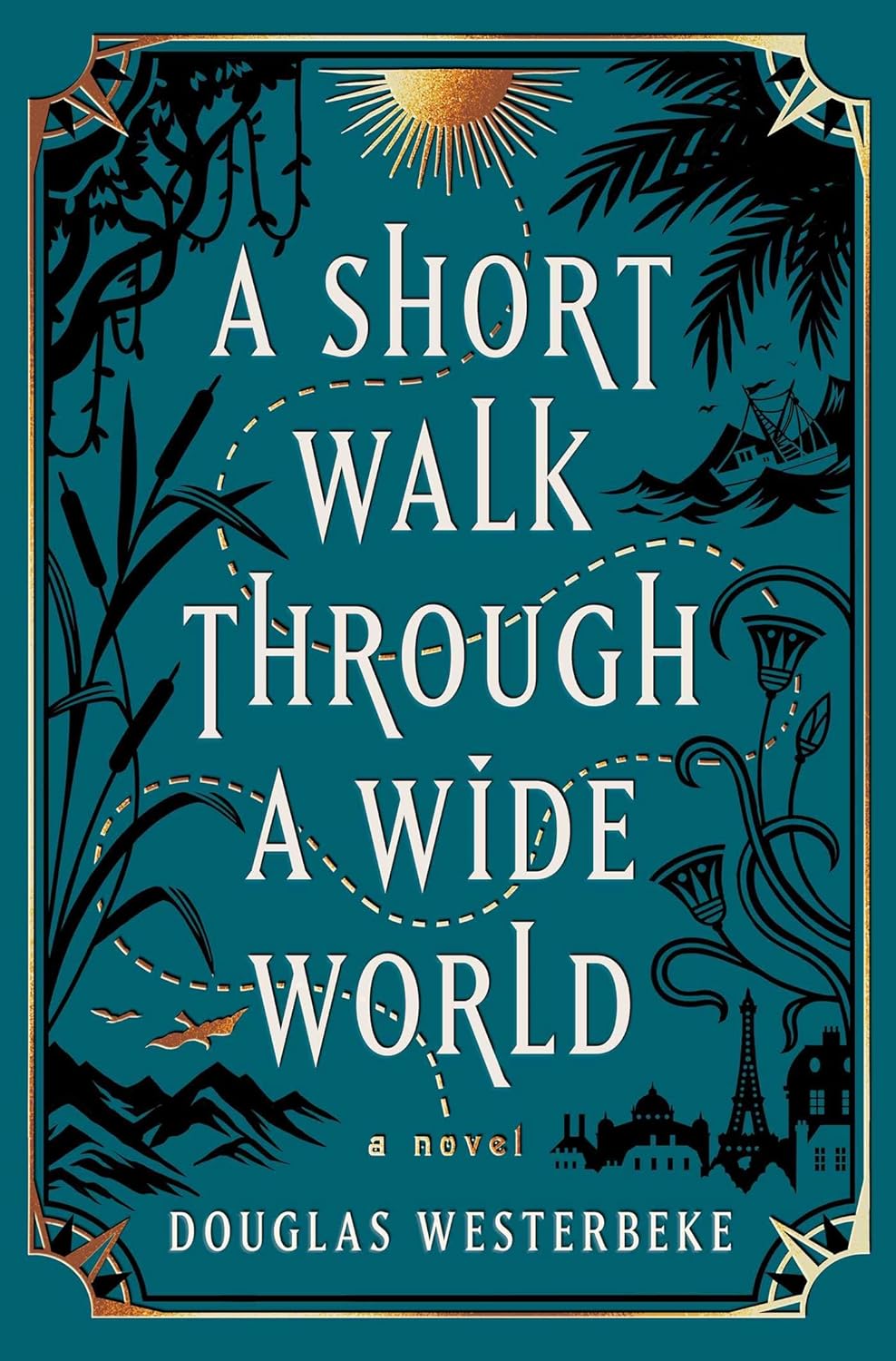
A Short Walk Through a Wide World

A Short Walk Through a Wide World is an ambitious tale of endless wandering that—despite its potential—never quite finds its way.

A Short Walk Through a Wide World

by Douglas Westerbeke

A Promising Journey that Meanders with No Destination

A Short Walk Through a Wide World by Douglas Westerbeke

Title:


Author:

Genre:

Page Count:

Release Date:

Enjoyment:
Writing:
Characters:
Plot:
Readability:
Setting:

A Short Walk Through a Wide World

Douglas Westerbeke

Historical Fiction; Fantasy-ish

390

April 2, 2024

♥ ♥
♥ ♥
♥
♥
♥ ♥
♥ ♥

The Quick Look

Marketed as a novel for fans of The Invisible Life of Addie LaRue, this debut promised a sweeping, fantastical journey around the world. What it delivered, for me, was a story with potential—but no pulse. 

  • Themes: (According to the publisher) The cost of immortality, the weight of wandering, and what makes a life worth living.
  • Read If You Like: Stories of eternal life, nomadic adventure, and quiet philosophical introspection (but with a higher tolerance for plotlessness than I had).
  • Best for: Readers who love reflective, meandering tales and don’t need tight plot structure.
  • Skip if: You crave character-driven stories with narrative payoff and emotional resonance.

The Full Review

PLOT & PACING:
The novel follows Aubry Tourvel, a girl cursed to keep moving—unable to stay in one place longer than a few days without dying of a mysterious illness. On paper, it’s a fascinating premise. In execution, it felt like watching a series of disconnected postcards flip by. There was little cause and effect, no clear stakes, and no satisfying arc—just “and then… and then… and then.”

CHARACTER & VOICE:
Aubry, the central character, never really came alive for me. Because the novel is told in third person and spans decades, it’s hard to feel truly tethered to her emotionally. I couldn’t shake the feeling that I was watching her from a distance, rather than walking beside her.

STYLE & ATMOSPHERE:
There are some lovely passages here and there, but overall the prose didn’t elevate the story enough to hold my attention. I paused the book around the 100-page mark, only returning months later to finish it on audio—and even then, I struggled to connect.

THEMES & DEPTH:
Westerbeke’s novel attempts to explore ideas like fate, isolation, and the search for meaning—but without a strong emotional or narrative throughline, these themes feel abstract rather than earned. Without clear consequences or evolution, it’s hard to feel what any of it means.

PERSONAL TAKE:
I wanted to love this. Truly. I picked it up because of the Addie LaRue comparison, and if you’ve been following along, you know how much that book means to me. But this wasn’t it. It’s not that the premise didn’t have potential—it’s that the storytelling never followed through in a satisfying way. Still, I respect the ambition and the effort of a debut author stepping into such big narrative shoes.

The Final Verdict

Wistful, wandering, and ultimately lacking the emotional and narrative spark that could have made it great. A beautiful idea that didn’t quite come together for me.

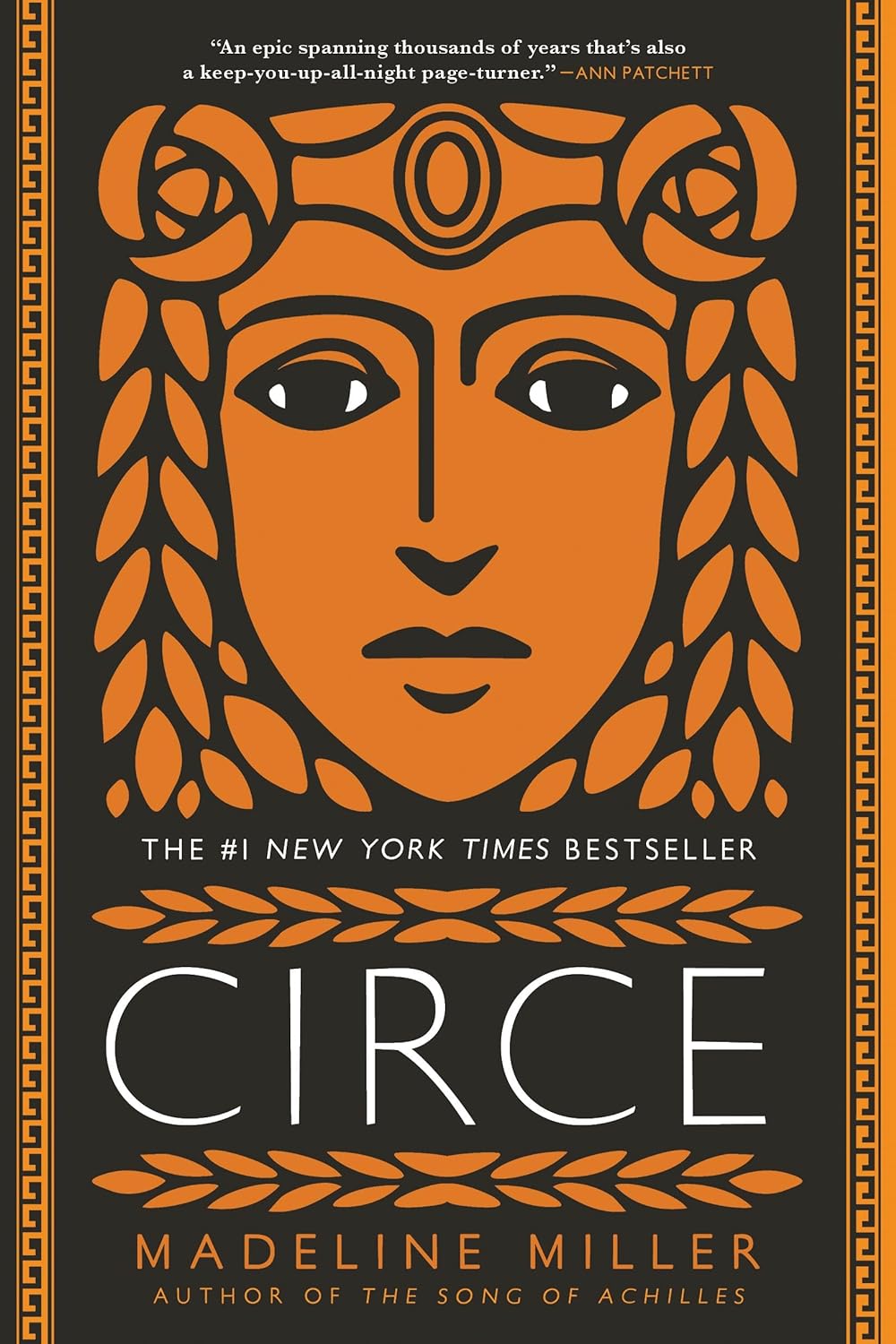
Circe

In Circe, Madeline Miller gives voice to a woman history wrote off as a footnote—a witch on an island, a side character in the epics of men. But what if the story was always hers to tell? With lyrical prose and mythic weight, this feminist reimagining spans centuries featuring gods, monsters, and heroes. But, most importantly, the book highlights the quiet strength of a woman learning to choose herself.

Circe

by Madeline Miller

History’s greatest witch tells her side of the story.

Circe by Madeline Miller

Title:

Author:

Genre:

Page Count:

Release Date:

Enjoyment:
Writing:
Characters:
Plot:
Readability:
Setting:

Circe

Madeline Miller

Fantasy; Mythology

385

April 10, 2018

♥ ♥ ♥
♥ ♥ ♥ ♥
♥ ♥ ♥ ♥
♥ ♥ ♥ ♥
♥ ♥ ♥
♥ ♥ ♥ ♥ ♥

The Quick Look

In Circe, Madeline Miller gives voice to a woman history wrote off as a footnote—a witch on an island, a side character in the epics of men. But what if the story was always hers to tell? With lyrical prose and mythic weight, this feminist reimagining spans centuries featuring gods, monsters, and heroes. But, most importantly, the book highlights the quiet strength of a woman learning to choose herself.

  • Themes: Immortality vs mortality, rewriting one’s story, isolation, heroism (or lack thereof)
  • Read if you like: Myth retellings, introspective slow-burns, stories about women reclaiming power.
  • Best for: Readers who enjoy character-driven narratives, literary prose, and myth through a modern lens.
  • Skip if: You need fast pacing, a traditional hero’s journey, you struggle with slow starts, or need a variety of settings (a majority of this one is set on ONE island for thousands of years).

The Full Review

PLOT & PACING
The novel spans thousands of years, tracing Circe’s transformation from overlooked nymph (who gave aid to Prometheus, btw) to a woman who bends fate to her will. The pacing is meditative—slow at first, almost too slow. But by the halfway mark, the threads begin to tighten. It’s less about what happens and more about how Circe changes. The story is mythic in scale, but intimate in voice.

CHARACTER & VOICE
Circe is layered, stubborn, observant, and deeply human despite her immortality. At first, she feels distant—a consequence of the prose, the isolation, the eons of her story. But as the novel progresses, her perspective sharpens. You begin to feel her pain, her pride, her yearning. It’s a voice that grows on you.

STYLE & ATMOSPHERE
Miller writes like a poet. Her prose is lush, lyrical, and evocative, especially when describing Circe’s island and the quiet spaces between encounters. The atmosphere is both enchanting and melancholic. You feel the weight of solitude—and the slow, deliberate work of self-invention.

THEMES & DEPTH
Circe is about stepping out of the shadows of gods and heroes to find your own truth. It asks what makes someone powerful—and what it means to be free. It challenges the idea that a life on the margins is lesser. And it celebrates the act of choosing your own story, even when the world writes you off.

PERSONAL TAKE
This one almost lost me. Around page 150, I nearly quit. But I’m glad I didn’t. There’s something quietly revolutionary in how Circe reclaims her narrative—not by conquest, but by endurance. It may not resonate with everyone, but for the right reader, it could be transformational. It’s not loud, but it lingers.

The Final Verdict

A slow, powerful reclaiming of voice and story—Circe proves that even immortals deserve a second telling.

“Humbling women seems to me a chief pastime of poets. As if there can be no story unless we crawl and weep.”
Circe by Madeline Miller
Circe
by Madeline Miller

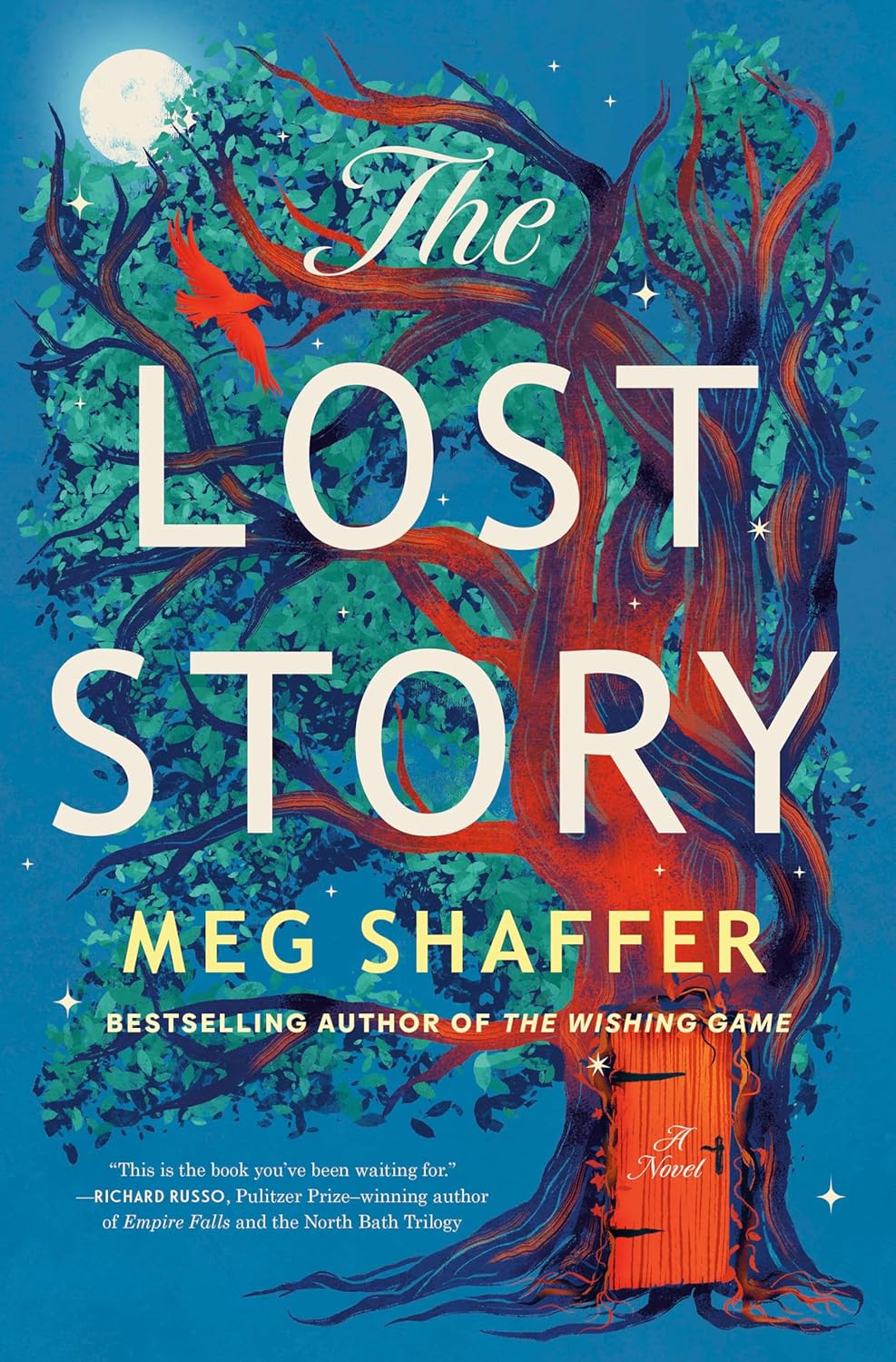
The Lost Story

Blending fantasy, nostalgia, and emotional depth, The Lost Story is a love letter to novels like The Chronicles of Narnia that transported us all as children—and a gentle reminder that wonder never grows old. Shaffer’s follow-up to The Wishing Game is tender, wistful, and steeped in the belief that stories can save us.

The Lost Story

by Meg Shaffer

What if your childhood fairy tale… actually happened?

The Lost Story by Meg Shaffer

Title:

Author:

Genre:

Page Count:

Release Date:

Enjoyment:
Writing:
Characters:
Plot:
Readability:
Setting:

The Lost Story

Meg Shaffer

Fantasy, Fairy Tale

322

July 16, 2024

♥ ♥ ♥ ♥ ♥
♥ ♥ ♥ ♥
♥ ♥ ♥ ♥
♥ ♥ ♥ ♥
♥ ♥ ♥ ♥ ♥
♥ ♥ ♥ ♥ ♥

The Quick Look

Blending fantasy, nostalgia, and emotional depth, The Lost Story is a love letter to novels like The Chronicles of Narnia that transported us all as children—and a gentle reminder that wonder never grows old. Shaffer’s follow-up to The Wishing Game is tender, wistful, and steeped in the belief that stories can save us.

  • Themes: Being lost, found family, belonging, books and stories as magic
  • Read if you like: The Wishing Game, The Chronicles of Narnia, portal fantasies, quiet hope.
  • Best for: Readers who still believe in fairy tales, fans of bookish magic, or anyone who’s ever used fiction to make sense of real life.
  • Skip if: You prefer fast-paced fantasy or dislike stories that straddle realism and whimsy.

The Full Review

PLOT & PACING
The novel centers on Rafe and Jeremy, childhood friends who vanished under mysterious circumstances and reemerged with a fantastical story no one believed. Years later, journalist Emilie is sent to uncover the truth. The pacing is gentle but immersive, with enough mystery to keep you turning pages and enough magic to keep your heart invested. Some may wish for more time in Shanandoah, the magical realm found in the dense forests of West Virginia, but what’s there is vivid and rich.

CHARACTER & VOICE
Rafe, Jeremy, and Emilie each bring something unique to the story. Rafe’s quiet vulnerability, Jeremy’s loyalty, and Emilie’s curiosity give the book emotional texture. The dynamic between the trio feels real, tender, and earned. The character work isn’t flashy—but it lingers, like the best kinds of friendships.

STYLE & ATMOSPHERE
Shaffer’s prose is warm and thoughtful, with a soft-spoken lyricism that complements the fairy-tale tone. There’s a distinct sense of melancholy and wonder woven into the fabric of every chapter. The atmosphere feels like reading under a blanket with a flashlight—a little mysterious, a little wistful, and very safe.

THEMES & DEPTH
This is a book about being lost—physically, emotionally, narratively—and about finding your way back through love, memory, and belief. Stories aren’t just escape in The Lost Story—they’re how we process trauma, shape identity, and make meaning. For readers who’ve ever clung to a book like a lifeline, this one speaks your language.

PERSONAL TAKE
I absolutely loved this one. It reminded me of why I read—to feel something, to believe in magic again. It’s a book that makes the case that fairy tales aren’t childish—they’re vital. And it does so without being overly sentimental. I would recommend this to anyone who needs a gentle, lovely book to remind them of the power of stories.

The Final Verdict

A moving, magical reminder that we’re never too old for fairy tales—especially the ones that help us come home to ourselves.

Favorite Quote

“All books are magic. An object that can take you to another world without even leaving your room? A story written by a stranger and yet it seems they wrote it just for you or to you? Loving and hating people made out of ink and paper, not flesh and blood? Yes, books are magic. Maybe even the strongest magic there is.”

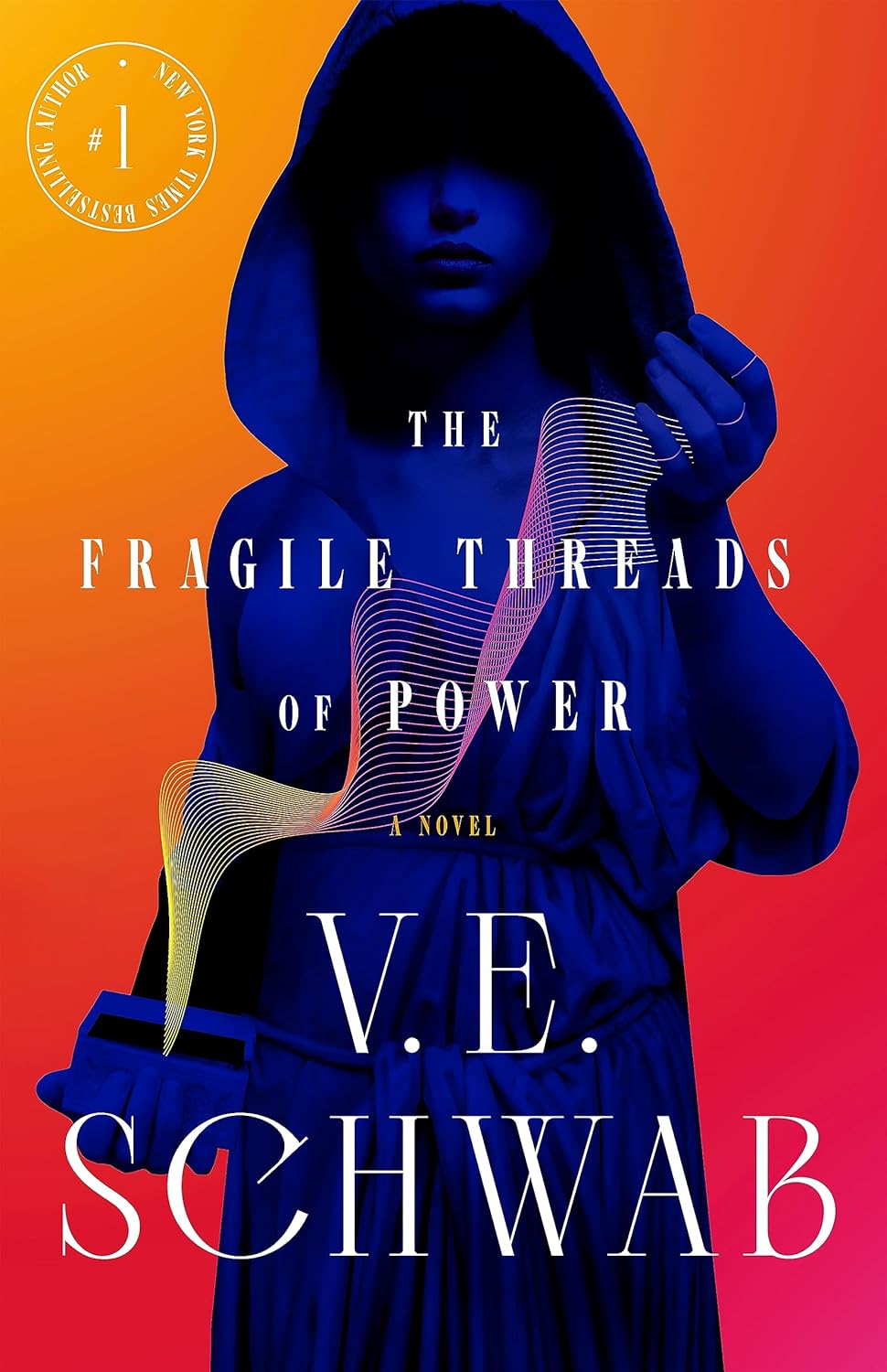
The Fragile Threads of Power

Every now and then, a sequel shows up not just to revisit an old world, but to expand it—breathe new life into familiar characters and locations, and make your heart race like it did the first time. The Fragile Threads of Power does exactly that—and somehow even more. 

The Fragile threads of Power

by V.E. Schwab

A Return to Red London and a Magical Reunion Worth the Wait

The Fragile Threads of Power

Title:
Series:

Author:

Genre:

Page Count:

Release Date:

Enjoyment:
Writing:
Characters:
Plot:
Readability:
Setting:

The Fragile Threads of Power
Fragile Threads, book 1 (part of the Darker Shades saga)

V.E. Schwab

Adventure; Fantasy; Pirates!

644

September 26, 2023

♥ ♥ ♥ ♥ ♥ ♥
♥ ♥ ♥ ♥ ♥ ♥
♥ ♥ ♥ ♥ ♥ ♥
♥ ♥ ♥ ♥ ♥
♥ ♥ ♥ ♥ ♥ ♥
♥ ♥ ♥ ♥ ♥ ♥

The Quick Look

Every now and then, a sequel shows up not just to revisit an old world, but to expand it—breathe new life into familiar characters and locations, and make your heart race like it did the first time. The Fragile Threads of Power does exactly that—and somehow even more. 

  • Themes: Found family, magic and imbalance, personal sacrifice, legacy
  • Read If You Like: The Darker Shades series (our reviews here, here, and here), multi-POV fantasy epics, or books that beg to be read aloud with dramatic flair.
  • Best for: Fans of Schwab’s magical multiverse and anyone who believes great characters make great fantasy.
  • Skip if: Don’t even think about it.

The Full Review

PLOT & PACING:
This isn’t just a continuation—it’s a new arc. A rich, fully realized entry point that pulls the threads of the past together and spins something thrillingly fresh. Schwab raises the stakes with political unrest, magical upheaval, and a larger, fractured world on the edge of a new era. The pace is sharp, with carefully timed reveals and cliffhangers that never feel cheap.

CHARACTER & VOICE:
If you’ve missed Kell, Lila, Rhy, or Alucard—you’re in for an emotional reunion. But it’s the new characters who take center stage in surprising, powerful ways. Ren is an instant standout, Tess will charm the magic right off your shelves, and Kosika is equal parts terrifying and tragic. Schwab gives every POV character a reason to matter. No one feels wasted. Everyone feels real.

STYLE & ATMOSPHERE:
Read it. No—perform it. Schwab’s writing sings aloud. Whether you’re whispering secrets in Grey London or unleashing elemental chaos in Red, every line feels built for drama and heart. She’s always had a lyrical style, but this is another level. It’s theatrical in the best sense of the word.

THEMES & DEPTH:
This book explores the responsibility that comes with power, the wounds left behind by legacy, and how fragile alliances can be in a world built on unstable magic. But at its heart, it’s still a story about chosen family, and the risks we take for those we love.

PERSONAL TAKE:
This was an experience. I read every word aloud to Jenni and it felt like we were there. I’ve loved Schwab before, but this is the book that made me want to scream it from the rooftops. It’s a near-perfect continuation that doesn’t rely on nostalgia—it earns every new beat with ambition and heart.

The Final Verdict

This one breaks our rating system… Schwab has never been more confident, more cinematic, or more emotionally on-point. The Fragile Threads of Power is a celebration of everything that made the Darker Shades series magical—and a thrilling beginning of something entirely new.


Want a reminder of how we felt about the rest of Schwab’s Darker Shades series? Check them out here:
A Darker Shade of Magic
A Gathering of Shadows
A Conjuring of Light