The Amalfi Curse

Set against the glittering backdrop of Italy’s Amalfi Coast, The Amalfi Curse delivers a dual-timeline tale of nautical archaeology, ancient magic, and star-crossed love. Sarah Penner weaves history and folklore into a breezy adventure that flirts with fantasy but ultimately favors romance over revelation.

The Amalfi Curse

by Sarah Penner

Along the Amalfi Coast, the sea has a memory—and it never forgets.

The Quick Look

Set against the glittering backdrop of Italy’s Amalfi Coast, The Amalfi Curse delivers a dual-timeline tale of nautical archaeology, ancient magic, and star-crossed love. Sarah Penner weaves history and folklore into a breezy adventure that flirts with fantasy but ultimately favors romance over revelation.

  • Release Date: April 29, 2025
  • Pages: 325
  • Genre: Historical Fiction/Mystery
  • Themes: Ancestral magic, legacy, grief, underwater archaeology, love as healing
  • Read if you like: The Lost Apothecary, books with sea witches and shipwrecks, dual POV narratives
  • Best for: Fans of immersive coastal settings and soft magical realism
  • Skip if: You want a fast-paced thriller or a more satisfying high-stakes conclusion

Enjoyment:
Writing:
Characters:
Plot:
Readability:
Setting:

♥ ♥ ♥ ♥
♥ ♥ ♥ ♥
♥ ♥ ♥ ♥
♥ ♥ ♥
♥ ♥ ♥ ♥
♥ ♥ ♥ ♥ ♥

Enjoyment:   ♥ ♥ ♥ ♥
Writing:         ♥ ♥ ♥ ♥
Characters:   ♥ ♥ ♥ ♥
Plot:                ♥ ♥ ♥
Readability:   ♥ ♥ ♥ ♥ 
Setting:          ♥ ♥ ♥ ♥ ♥

The Full Review

PLOT & PACING
The story alternates between Haven Ambrose—a modern-day underwater archaeologist searching for treasure located by her late father—and Mari DeLuca, a 17th-century sea witch, descended from the mythological sirens, trying to save her village from looters and pirates. The early chapters promise intrigue and a moody Mediterranean mystery, but as the plot unfolds, the stakes begin to soften. The final act leans heavily into sentimentality, with a climax that feels more like a moral lesson than a satisfying payoff. Still, the premise is fun, and the journey offers enough sparkle to carry readers along.

CHARACTER & VOICE
Haven is easy to root for: smart, driven, and grieving. Her story is the stronger of the two timelines, grounded in real-world urgency and peppered with academic ambition. Mari’s chapters, while romantic and magical, sometimes feel underdeveloped by comparison. Villains like Conrad and Gage could have been explored more deeply—they had the potential for real tension but remained fairly one-note. Meanwhile, the Fratelli Mazza, the brothers who dominate black market trade in the Amalfi Coast during Mari’s time are quite nefarious. Holmes, Mari’s lover, exists mostly as a device. Still, Haven’s growth and emotional arc provide a solid anchor for the novel.

STYLE & ATMOSPHERE
Penner’s style is lush and accessible, bringing Positano’s cliffside beauty and underwater mysteries to life. The sea is practically a character in its own right—brimming with power, myth, and secrets. The chapters flow smoothly, and while the romantic thread feels a bit obvious at times, the setting and structure carry the weight. It’s a breezy read with flashes of magic and wonder.

THEMES & DEPTH
Grief, legacy, and the question of what we inherit—emotionally and spiritually—run deep here. The concept of stregheria (sea witchcraft) is intriguing, and Penner makes it feel plausible without overexplaining. But the deeper questions—about greed, exploitation, and who gets to control history—don’t get quite enough exploration. The ending, while warm, feels a bit too tidy, with the final message landing somewhere between Hallmark and happily-ever-after.

PERSONAL TAKE
As someone who loved The Lost Apothecary, I enjoyed the familiar structure and tone. I was especially drawn to Haven’s underwater exploration and the archaeological elements—I just wish there’d been more of it. Less romance, more ruins. The setting was a dream, and I wanted to spend more time diving with Haven, dodging danger, and piecing together the mystery. Still, there’s a charm to how Penner spins magic along the gorgeous Amalfi Coast.

The Final Verdict

A sun-drenched escape with a touch of magic and mystery. The Amalfi Curse doesn’t quite stick the landing, but the journey—full of shipwrecks, secrets, and sea witches—is a lovely one.

"Sometimes, the greatest treasure to be found is... love."
The Amalfi Curse by Sarah Penner
The Amalfi Curse
by Sarah Penner
Check Out Our Recent Reviews!

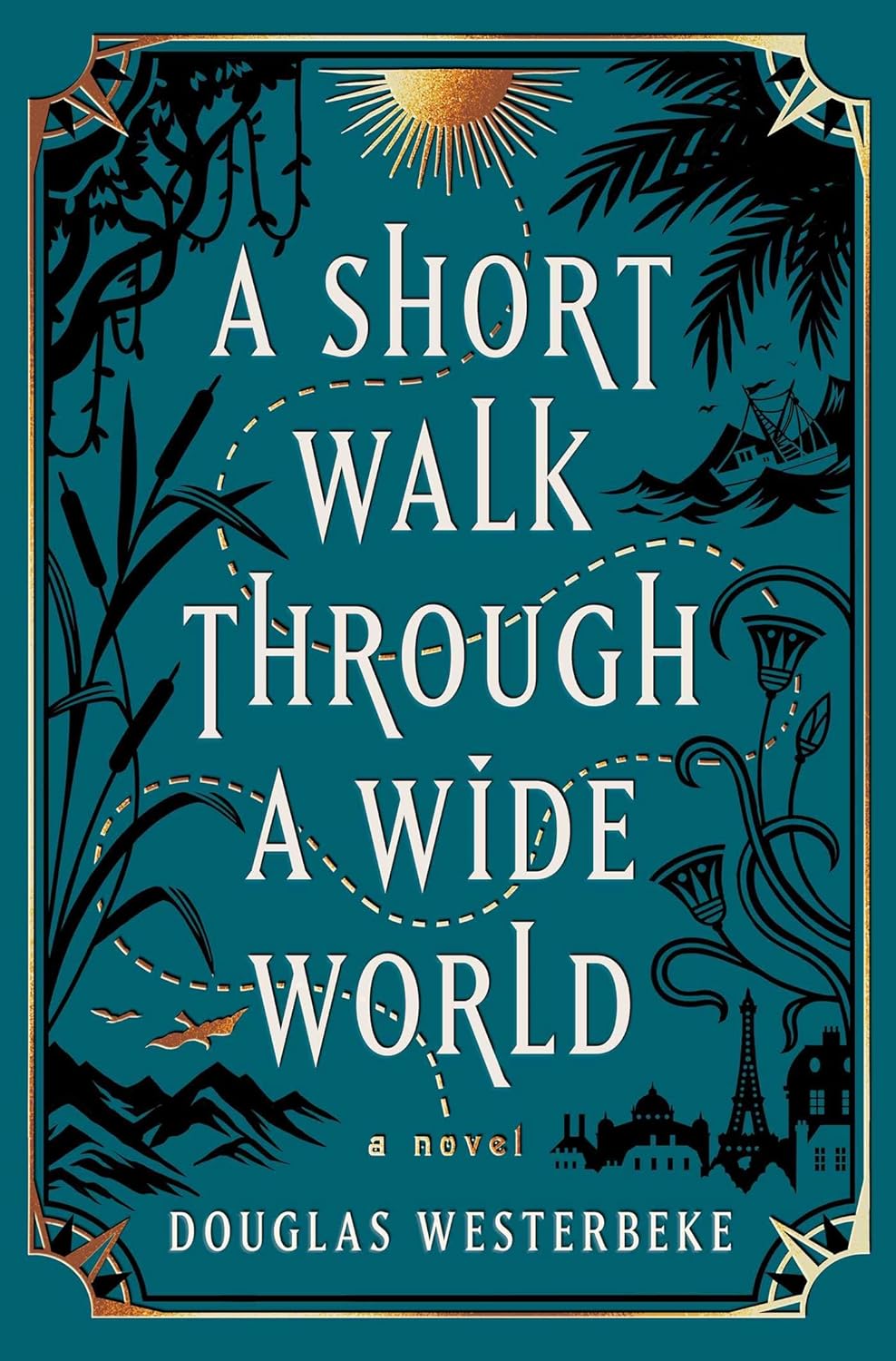
A Short Walk Through a Wide World

A Short Walk Through a Wide World is an ambitious tale of endless wandering that—despite its potential—never quite finds its way.

A Short Walk Through a Wide World

by Douglas Westerbeke

A Promising Journey that Meanders with No Destination

A Short Walk Through a Wide World by Douglas Westerbeke

Title:


Author:

Genre:

Page Count:

Release Date:

Enjoyment:
Writing:
Characters:
Plot:
Readability:
Setting:

A Short Walk Through a Wide World

Douglas Westerbeke

Historical Fiction; Fantasy-ish

390

April 2, 2024

♥ ♥
♥ ♥
♥
♥
♥ ♥
♥ ♥

The Quick Look

Marketed as a novel for fans of The Invisible Life of Addie LaRue, this debut promised a sweeping, fantastical journey around the world. What it delivered, for me, was a story with potential—but no pulse. 

  • Themes: (According to the publisher) The cost of immortality, the weight of wandering, and what makes a life worth living.
  • Read If You Like: Stories of eternal life, nomadic adventure, and quiet philosophical introspection (but with a higher tolerance for plotlessness than I had).
  • Best for: Readers who love reflective, meandering tales and don’t need tight plot structure.
  • Skip if: You crave character-driven stories with narrative payoff and emotional resonance.

The Full Review

PLOT & PACING:
The novel follows Aubry Tourvel, a girl cursed to keep moving—unable to stay in one place longer than a few days without dying of a mysterious illness. On paper, it’s a fascinating premise. In execution, it felt like watching a series of disconnected postcards flip by. There was little cause and effect, no clear stakes, and no satisfying arc—just “and then… and then… and then.”

CHARACTER & VOICE:
Aubry, the central character, never really came alive for me. Because the novel is told in third person and spans decades, it’s hard to feel truly tethered to her emotionally. I couldn’t shake the feeling that I was watching her from a distance, rather than walking beside her.

STYLE & ATMOSPHERE:
There are some lovely passages here and there, but overall the prose didn’t elevate the story enough to hold my attention. I paused the book around the 100-page mark, only returning months later to finish it on audio—and even then, I struggled to connect.

THEMES & DEPTH:
Westerbeke’s novel attempts to explore ideas like fate, isolation, and the search for meaning—but without a strong emotional or narrative throughline, these themes feel abstract rather than earned. Without clear consequences or evolution, it’s hard to feel what any of it means.

PERSONAL TAKE:
I wanted to love this. Truly. I picked it up because of the Addie LaRue comparison, and if you’ve been following along, you know how much that book means to me. But this wasn’t it. It’s not that the premise didn’t have potential—it’s that the storytelling never followed through in a satisfying way. Still, I respect the ambition and the effort of a debut author stepping into such big narrative shoes.

The Final Verdict

Wistful, wandering, and ultimately lacking the emotional and narrative spark that could have made it great. A beautiful idea that didn’t quite come together for me.

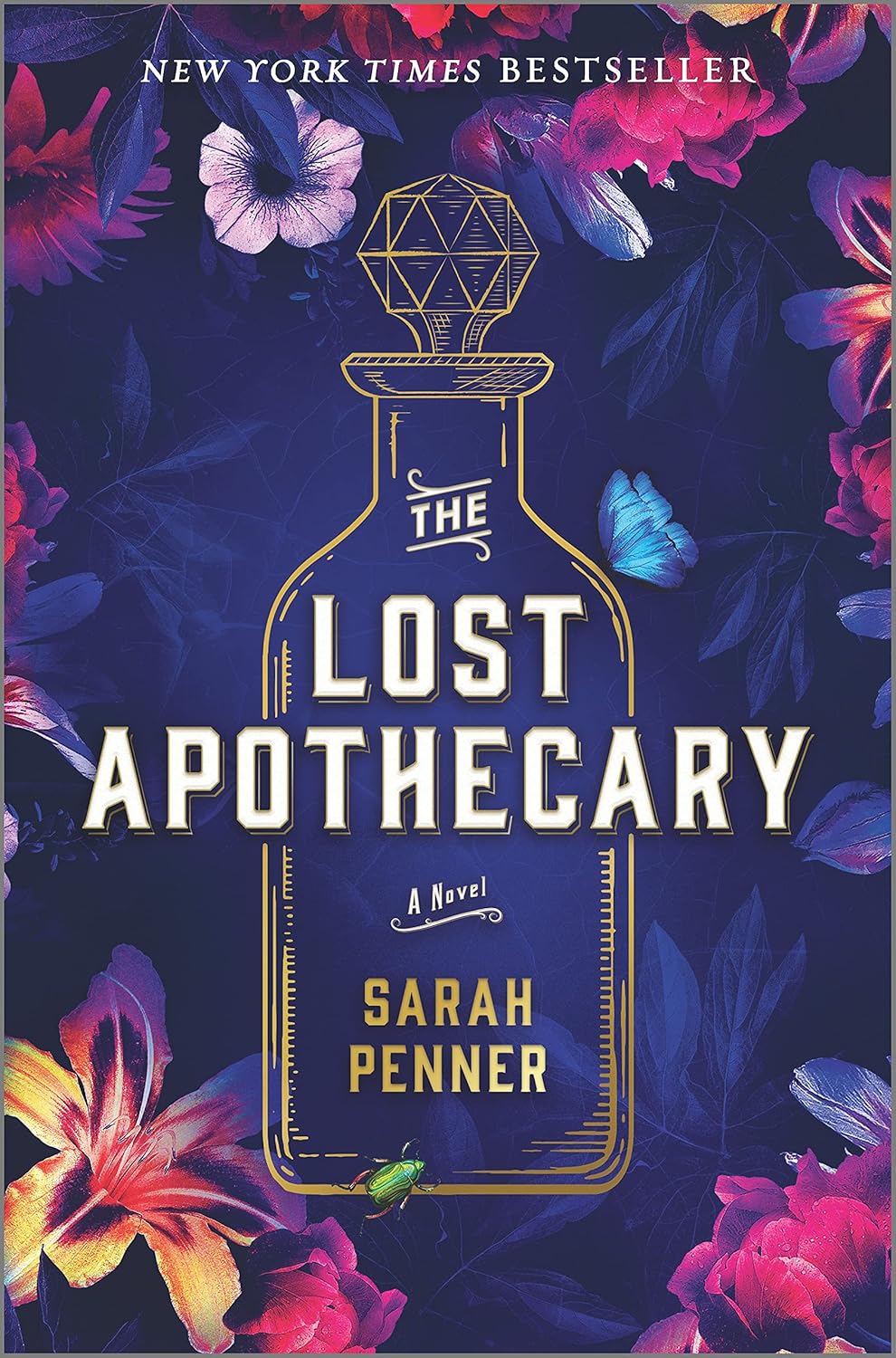
The Lost Apothecary

Unravel history’s hidden secrets in an inspiring tale that illustrates it’s never too late to rediscover yourself and pursue your dreams.

The Lost Apothecary by Sarah Penner

Poison, Power, and the Art of Starting Over

The Lost Apothecary by Sarah Penner

Title:

Author:

Genre:

Page Count:

Release Date:

Enjoyment:
Writing:
Characters:
Plot:
Readability:
Setting:

The Lost Apothecary

Sarah Penner

Historical Fiction; Feminist Lit

301

March 02, 2021

♥ ♥ ♥ ♥ ♥
♥ ♥ ♥ ♥
♥ ♥ ♥ ♥
♥ ♥ ♥ ♥
♥ ♥ ♥ ♥ ♥
♥ ♥ ♥ ♥ ♥

The Quick Look

In a hidden corner of 18th-century London, a secret apothecary brews justice for women wronged by men. Centuries later, a modern woman discovers that sometimes the most dangerous thing you can do is reclaim your life.

  • Themes: Female Friendship, Self-Discovery, Societal Expectations, Lost Dreams, Empowerment (and yes, Poison)
  • Read If You Like: The Midnight Library, Circe, or historical fiction with a feminist edge and a little magic.
  • Best for: Lovers of historical fiction, feminist themes, and dual-timeline storytelling.
  • Skip if: You need high fantasy or heavy action—this one is more subtle and emotional than plot-driven.

The Full Review

PLOT & PACING:
Told in dual timelines, the story follows Nella and Eliza in 1791 London—one a secret apothecary serving wronged women, the other a curious young girl caught in a growing web—and Caroline in present-day London, reeling from personal betrayal and unfulfilled dreams. The pacing is tight and purposeful across both timelines, with each chapter weaving tension, revelation, and emotional weight without dragging.

CHARACTER & VOICE:
Each woman has her own quiet fire. Nella is hardened but aching. Eliza is wide-eyed and determined. Caroline is questioning everything, and her unraveling is one of the book’s most relatable arcs. You’ll root for them all—for different reasons, in different ways. Their voices are distinct, authentic, and compelling.

STYLE & ATMOSPHERE:
Sarah Penner’s writing is transportive. Whether you’re in a cramped backroom of an apothecary shop or wandering the banks of the Thames, the setting feels immersive without being over-described. The tone strikes a balance between wistful and sharp, grounded in emotional realism with a hint of the magical.

THEMES & DEPTH:
The novel explores how dreams are deferred—by circumstance, by society, by fear—and how easily a life that looks “perfect” from the outside can feel hollow. It’s about what happens when women support each other, when they choose boldness over silence, and when they step out of the lives they’ve settled for to pursue the ones they want. And also? It’s about poisoning the patriarchy. Which is just fun.

PERSONAL TAKE:
This was a total win for me. I loved the balance between history and present day, and how each storyline reflected different facets of the same truth: that you don’t have to stay stuck. It’s feminist lit that doesn’t feel preachy—just powerful. I’d recommend it to anyone who’s ever wondered if they gave up too much to fit someone else’s mold. I want all the women in my life to read this and feel the freedom to pursue a life they’re proud to have.

The Final Verdict

Empowering, atmospheric, and filled with fierce women—The Lost Apothecary is a beautifully woven tale of rediscovery, revenge, and reclaiming your story.

AND PENNER’S PENNING A SEQUEL!!!