The Amalfi Curse

Set against the glittering backdrop of Italy’s Amalfi Coast, The Amalfi Curse delivers a dual-timeline tale of nautical archaeology, ancient magic, and star-crossed love. Sarah Penner weaves history and folklore into a breezy adventure that flirts with fantasy but ultimately favors romance over revelation.

The Amalfi Curse

by Sarah Penner

Along the Amalfi Coast, the sea has a memory—and it never forgets.

The Quick Look

Set against the glittering backdrop of Italy’s Amalfi Coast, The Amalfi Curse delivers a dual-timeline tale of nautical archaeology, ancient magic, and star-crossed love. Sarah Penner weaves history and folklore into a breezy adventure that flirts with fantasy but ultimately favors romance over revelation.

  • Release Date: April 29, 2025
  • Pages: 325
  • Genre: Historical Fiction/Mystery
  • Themes: Ancestral magic, legacy, grief, underwater archaeology, love as healing
  • Read if you like: The Lost Apothecary, books with sea witches and shipwrecks, dual POV narratives
  • Best for: Fans of immersive coastal settings and soft magical realism
  • Skip if: You want a fast-paced thriller or a more satisfying high-stakes conclusion

Enjoyment:
Writing:
Characters:
Plot:
Readability:
Setting:

♥ ♥ ♥ ♥
♥ ♥ ♥ ♥
♥ ♥ ♥ ♥
♥ ♥ ♥
♥ ♥ ♥ ♥
♥ ♥ ♥ ♥ ♥

Enjoyment:   ♥ ♥ ♥ ♥
Writing:         ♥ ♥ ♥ ♥
Characters:   ♥ ♥ ♥ ♥
Plot:                ♥ ♥ ♥
Readability:   ♥ ♥ ♥ ♥ 
Setting:          ♥ ♥ ♥ ♥ ♥

The Full Review

PLOT & PACING
The story alternates between Haven Ambrose—a modern-day underwater archaeologist searching for treasure located by her late father—and Mari DeLuca, a 17th-century sea witch, descended from the mythological sirens, trying to save her village from looters and pirates. The early chapters promise intrigue and a moody Mediterranean mystery, but as the plot unfolds, the stakes begin to soften. The final act leans heavily into sentimentality, with a climax that feels more like a moral lesson than a satisfying payoff. Still, the premise is fun, and the journey offers enough sparkle to carry readers along.

CHARACTER & VOICE
Haven is easy to root for: smart, driven, and grieving. Her story is the stronger of the two timelines, grounded in real-world urgency and peppered with academic ambition. Mari’s chapters, while romantic and magical, sometimes feel underdeveloped by comparison. Villains like Conrad and Gage could have been explored more deeply—they had the potential for real tension but remained fairly one-note. Meanwhile, the Fratelli Mazza, the brothers who dominate black market trade in the Amalfi Coast during Mari’s time are quite nefarious. Holmes, Mari’s lover, exists mostly as a device. Still, Haven’s growth and emotional arc provide a solid anchor for the novel.

STYLE & ATMOSPHERE
Penner’s style is lush and accessible, bringing Positano’s cliffside beauty and underwater mysteries to life. The sea is practically a character in its own right—brimming with power, myth, and secrets. The chapters flow smoothly, and while the romantic thread feels a bit obvious at times, the setting and structure carry the weight. It’s a breezy read with flashes of magic and wonder.

THEMES & DEPTH
Grief, legacy, and the question of what we inherit—emotionally and spiritually—run deep here. The concept of stregheria (sea witchcraft) is intriguing, and Penner makes it feel plausible without overexplaining. But the deeper questions—about greed, exploitation, and who gets to control history—don’t get quite enough exploration. The ending, while warm, feels a bit too tidy, with the final message landing somewhere between Hallmark and happily-ever-after.

PERSONAL TAKE
As someone who loved The Lost Apothecary, I enjoyed the familiar structure and tone. I was especially drawn to Haven’s underwater exploration and the archaeological elements—I just wish there’d been more of it. Less romance, more ruins. The setting was a dream, and I wanted to spend more time diving with Haven, dodging danger, and piecing together the mystery. Still, there’s a charm to how Penner spins magic along the gorgeous Amalfi Coast.

The Final Verdict

A sun-drenched escape with a touch of magic and mystery. The Amalfi Curse doesn’t quite stick the landing, but the journey—full of shipwrecks, secrets, and sea witches—is a lovely one.

"Sometimes, the greatest treasure to be found is... love."
The Amalfi Curse by Sarah Penner
The Amalfi Curse
by Sarah Penner
Check Out Our Recent Reviews!

Andromeda

Set inside the venerable Swedish publishing house Rydéns, Andromeda traces the intertwined perspectives of Sofie, a young intern, and Gunnar, the editor-in-chief who takes her under his wing. Therese Bohman delivers a compact, observant novel about the delicate dance between tradition and modernity, ambition and nostalgia, and the charged space between platonic respect and something more ambiguous.

Andromeda

by Therese Bohman, Translated by Marlaine Delargy

In Stockholm’s literary halls, the lines between mentorship and desire blur in quiet, unsettling ways.

The Quick Look

Set inside the venerable Swedish publishing house Rydéns, Andromeda traces the intertwined perspectives of Sofie, a young intern, and Gunnar, the editor-in-chief who takes her under his wing. Therese Bohman delivers a compact, observant novel about the delicate dance between tradition and modernity, ambition and nostalgia, and the charged space between platonic respect and something more ambiguous.

  • Release Date: Jan. 14, 2025
  • Pages: 180
  • Genre: Literary Fiction
  • Themes: Mentorship, power dynamics, publishing life, tradition vs. change, gender in the workplace
  • Read if you like: Office politics with literary flair, character-driven stories in dual POV, morally gray relationships
  • Best for: Readers who enjoy subtle emotional tension and behind-the-scenes glimpses into the book world
  • Skip if: You want a high-stakes plot or neatly defined relationships

Enjoyment:
Writing:
Characters:
Plot:
Readability:
Setting:

♥ ♥ ♥
♥ ♥ ♥ ♥
♥ ♥ ♥ ♥
♥ ♥ ♥
♥ ♥ ♥ ♥
♥ ♥ ♥

Enjoyment:   ♥ ♥ ♥
Writing:         ♥ ♥ ♥ ♥
Characters:   ♥ ♥ ♥ ♥
Plot:                ♥ ♥ ♥
Readability:   ♥ ♥ ♥ ♥ 
Setting:          ♥ ♥ ♥

The Full Review

PLOT & PACING
The novel unfolds in two halves: the first told through Sofie’s eyes as she navigates her internship under Gunnar’s close attention, the second from Gunnar’s perspective as we revisit familiar moments with fresh insight. The plot is light on action, relying instead on shifting perceptions, quiet office scenes, and the slow build of trust and influence. It’s more a character study than a story with forward momentum, but the mirrored structure gives it a satisfying symmetry.

CHARACTER & VOICE
Sofie begins tentative and self-conscious, her confidence shaped—and at times dependent—on Gunnar’s approval. Gunnar, meanwhile, is a figure caught between pride in his past achievements and disillusionment with the industry’s future. Seeing each character through the other’s eyes adds texture, but also reveals the quiet manipulations and mutual needs underpinning their bond. Neither is wholly likable or unlikable, which keeps the relationship compelling.

STYLE & ATMOSPHERE
Bohman’s prose (and Delargy’s translation) is clean, restrained, and observational. The publishing house feels both rarified and slightly claustrophobic, a space where manuscripts are weighed like rare artifacts and office politics simmer just under the surface. The tone is meditative, with an undercurrent of melancholy that suits the theme of an industry wrestling with change.

THEMES & DEPTH
At its heart, Andromeda examines the unspoken contracts of mentorship—what’s freely given, what’s taken, and the lingering question of who benefits more. It also reflects on the tug-of-war between literary tradition and modern demands, and how gender and power intersect in subtle, often invisible ways. The romance-adjacent tension is never fully resolved, and that ambiguity feels true to life.

PERSONAL TAKE
As someone interested in stories about the inner workings of publishing, I found the details authentic without veering into either idealism or cynicism. I appreciated the structural cleverness of the dual POV, though the understated plot left me wishing for a few more turns of the screw. It’s a quick, thoughtful read that lingers less for what happens than for how it feels to be in that world.

The Final Verdict

A slender, elegant novel that invites you into the gray spaces of mentorship, ambition, and literary life. Andromeda isn’t about sweeping drama—it’s about the quiet ways we influence and are influenced by those around us, for better or worse.

“No one, absolutely no one is irreplaceable, which is a depressing realization. A workplace is like a microcosm of nature, ruled by the laws of evolution: As one species dies out and the whole system is destabilized, an efficient mechanism kicks in to ensure the survival of everyone else, and before long there is a new system, a new balance. Nature's sole purpose is survival, and the same is true of capitalism: A company is like a self-generating animal, a starfish that grows a new arm if a new arm is needed.”
Andromeda by Therese Bohman
Andromeda
by Therese Bohman
Check Out Our Recent Reviews!

Beautiful Ugly

Alice Feeney’s Beautiful Ugly is a mind-bending psychological thriller that keeps twisting until the very last page. With its oxymoronic chapter titles and shifting truths, it’s a haunting meditation on deception, perception, and the secrets we hide—even from ourselves.

Beautiful Ugly

by Alice Feeney

Love and lies. Truth and fiction. Beautiful and ugly.

Beautiful Ugly by Alice Feeney

Title:

Author:

Genre:

Page Count:

Release Date:

Enjoyment:
Writing:
Characters:
Plot:
Readability:
Setting:

Beautiful Ugly

Alice Feeney

Thriller

304

January 14, 2025

♥ ♥ ♥ ♥ ♥
♥ ♥ ♥ ♥ ♥
♥ ♥ ♥ ♥
♥ ♥ ♥ ♥ ♥
♥ ♥ ♥ ♥ ♥
♥ ♥ ♥ ♥ ♥

The Quick Look

Alice Feeney’s Beautiful Ugly is a mind-bending psychological thriller that keeps twisting until the very last page. With its oxymoronic chapter titles and shifting truths, it’s a haunting meditation on deception, perception, and the secrets we hide—even from ourselves.

  • Themes: Perception vs reality, creative fraud, isolation, grief.
  • Read if you like: Gone Girl, twisty thrillers, Scottish island settings, or stories that make you question everything you thought you knew.
  • Best for: Fans of unreliable narrators, readers who love reading about writers, or readers who enjoy the slow unraveling of truth.
  • Skip if: You need clear answers fast or don’t enjoy psychological ambiguity.

The Full Review

PLOT & PACING
The story kicks off with the disappearance of Abby Green and her husband Grady’s descent into confusion, insomnia, and writer’s block. A year later, he escapes to a remote Scottish island to reset—but instead finds a manuscript left behind by the island’s former resident writer (shades of Yellowface), and a series of eerie encounters that suggest Abby might never have truly left. The pacing is tight, the atmosphere moody, and the final act? A masterclass in unexpected twists.

CHARACTER & VOICE
Grady is a mess—in the best way. Feeney masterfully uses the unreliable narrator trope to full effect, keeping us constantly questioning his version of events. Abby, though mostly seen through memory and illusion, becomes a powerful presence. And the island? Almost a character in its own right: strange, watchful, and deeply unsettling.

STYLE & ATMOSPHERE
Feeney’s structure here is genius. Each chapter title is a contradiction—Beautiful Ugly, Definitely Maybe, Perfectly Imperfect—mirroring the dualities in how two people can perceive the same event in completely different ways. The writing walks a taut line between poetic and punchy. There’s a cold, coastal chill that seeps into every paragraph. Scotland has never felt so eerily intimate.

THEMES & DEPTH
The novel explores how people can live completely different versions of the same relationship. It asks hard questions about authenticity: in marriage, in art, and in selfhood. Can you ever really know another person? And what happens when you stop knowing yourself?

PERSONAL TAKE
This was my first Alice Feeney—and I’m hooked. The ending floored me. I genuinely didn’t see it coming, and that’s rare. But beyond the shock value, what really stayed with me was the message: that being yourself, truly and unapologetically, is the bravest thing you can do.

The Final Verdict

Beautiful Ugly is a haunting, intelligent thriller that plays with truth like a cat with string. And just when you think you’ve figured it out, it turns on the light—and you realize you never saw the full picture.

“… uniqueness is something to be celebrated, not feared or frowned upon…”
Beautiful Ugly by Alice Feeney
John Doe
Designer

Playground

In Playground, Richard Powers dives deep into the beauty and fragility of the Pacific while tangling with technology’s promise—and peril. Makatea’s reef-lined shores set the stage for a story that blends ocean conservation, board game strategy, and the rise of artificial intelligence. It’s an ambitious, idea-packed novel that soars in its exploration of the sea and stumbles in its late-game twist.

Playground

by Richard Powers

When the Deepest Waters Are Made of Code

The Quick Look

In Playground, Richard Powers dives deep into the beauty and fragility of the Pacific while tangling with technology’s promise—and peril. Makatea’s reef-lined shores set the stage for a story that blends ocean conservation, board game strategy, and the rise of artificial intelligence. It’s an ambitious, idea-packed novel that soars in its exploration of the sea and stumbles in its late-game twist.

  • Release Date: September24, 2024
  • Pages: 381
  • Genre: Literary Fiction
  • Themes: Ocean conservation, AI and creativity, loss, technology vs. nature, human connection
  • Read if you like: Tomorrow, and Tomorrow, and Tomorrow, The Social Network, Moana
  • Best for: Readers who love lush settings and philosophical what-ifs
  • Skip if: You need an ending that sticks the landing

Enjoyment:
Writing:
Characters:
Plot:
Readability:
Setting:

♥ ♥ ♥ ♥
♥ ♥ ♥ ♥
♥ ♥ ♥
♥ ♥ ♥
♥ ♥ ♥ ♥
♥ ♥ ♥ ♥ ♥

Enjoyment:   ♥ ♥ ♥ ♥
Writing:         ♥ ♥ ♥ ♥
Characters:   ♥ ♥ ♥
Plot:                ♥ ♥ ♥
Readability:   ♥ ♥ ♥ ♥ 
Setting:          ♥ ♥ ♥ ♥ ♥

The Full Review

SPOILERS AHEAD!!!

PLOT & PACING
From its opening chapters, Playground is an intricate dance between ocean science, game theory, and human longing. Powers draws you in with a narrative that feels vast but controlled—four lives converging on the tiny island of Makatea as it faces a vote that could change its future forever. The pace is deliberate, giving space for the reader to absorb the island’s ecology, the subtle politics of seasteading, and the inner landscapes of each character. For much of the novel, the tension builds in steady, satisfying waves—until the reveal that the Makatea storyline was AI-generated knocks the wind out of its sails. It’s a move that reframes the entire book, and while it’s intellectually intriguing, it lands as an emotional undercut, leaving the final pages feeling smaller than the journey that led there.

CHARACTER & VOICE
Evelyne Beaulieu’s chapters are where the book truly breathes—her dives, her meditations on cuttlefish courtship, and her reverence for the ocean carry a kind of quiet electricity. Through her, Powers captures both the wonder and the ache of studying a world in peril. Todd Keane, the tech mogul behind Playground, is complex in conception but often frustrating in execution; his faith in AI as a vessel for immortality makes him fascinating, if not always sympathetic. Rafi Young and Ina Aroita provide texture, connection, and grounding, but their arcs sometimes feel secondary, more like satellites than stars. Still, each voice adds a distinct current to the novel’s tide.

STYLE & ATMOSPHERE
Powers writes with the precision of a scientist and the soul of a poet. The reefs are alive with color, the waters hum with life, and Makatea’s limestone cliffs seem to glow on the page. His prose balances technical detail with lyrical sweep, making the science as compelling as the story. The ocean emerges as the book’s most consistent character—steady, ancient, and unaltered by human ego. Even when the plot falters, the sensory richness of the writing keeps you immersed.

THEMES & DEPTH
At its core, Playground isn’t just about AI—it’s about the boundaries of creation itself. Powers questions whether true originality is possible without lived experience, and whether technology can ever be more than an echo chamber for human thought. The environmental thread is urgent but never preachy, underscoring the fragile beauty of ecosystems and the ethical quagmire of exploiting them. The late-game AI twist doubles as a commentary on the limits of simulation, suggesting that the soul of art lies in its imperfections. It’s here that the novel’s ideas resonate most deeply, even if the delivery is uneven.

PERSONAL TAKE
For most of the book, I was enthralled—hooked by the layered structure, the intellectual chess match between characters, and Evelyne’s unflinching devotion to the sea. Powers gave me the sensation of holding something rare and intricate, like a shell you’re afraid to drop. Then the twist hit, and that shell cracked—revealing something clever, but not nearly as beautiful as what I thought I had. The disappointment lingers, but so does the conversation it sparks: about what AI can and can’t do, and about the irreplaceable value of human perspective. It’s a rare novel that leaves me conflicted in this way, both admiring the ambition and mourning the loss of what might have been.

The Final Verdict

A breathtaking setting, a thought-provoking premise, and a handful of unforgettable chapters. Playground asks big questions about creativity, mortality, and the cost of progress—though its late reveal may leave some readers adrift.

"Is a thing still garbage, once life starts using it?"
Playground by Richard Powers
Playground
by Richard Powers
Check Out Our Recent Reviews!

The Bright Sword

Lev Grossman’s The Bright Sword isn’t a triumphant tale of knights in shining armor. It’s a meditation on what happens after the myth fades—after the battles are lost, the Round Table is broken, and hope feels like a relic. It’s thoughtful, tender, and occasionally tedious. But if you stick with it, there’s magic to be found in the quiet places.

The Bright Sword

by Lev Grossman

What comes after the legend ends?

The Bright Sword by Lev Grossman

Title:

Author:

Genre:

Page Count:

Release Date:

Enjoyment:
Writing:
Characters:
Plot:
Readability:
Setting:

The Bright Sword

Lev Grossman

Fantasy

688

July 16, 2024

♥ ♥ ♥
♥ ♥ ♥ ♥
♥ ♥ ♥ ♥ ♥
♥ ♥ ♥ ♥
♥ ♥ ♥
♥ ♥ ♥ ♥ ♥

The Quick Look

Lev Grossman’s The Bright Sword isn’t a triumphant tale of knights in shining armor. It’s a meditation on what happens after the myth fades—after the battles are lost, the Round Table is broken, and hope feels like a relic. It’s thoughtful, tender, and occasionally tedious. But if you stick with it, there’s magic to be found in the quiet places.

  • Themes: Legacy, grief, the burden of myth, friendship, moral failure, rediscovering purpose.
  • Read if you like: The Once and Future King, quiet character studies, post-epic melancholy, or wandering knights searching for meaning.
  • Best for: Readers who don’t mind a slow burn in exchange for emotional nuance.
  • Skip if: You want swordfights every chapter or fast pacing—you won’t get either here.

The Full Review

PLOT & PACING
Set in the shadow of Camelot’s collapse, The Bright Sword follows a ragtag group of knights and outcasts who cling to Arthur’s memory while trying to define what goodness looks like without him. The quest structure gives the novel shape, but the momentum often drifts—especially in the middle. Some scenes feel more like philosophical musings than plot advancement. Still, the final third ties it together in a way that rewards your patience.

CHARACTER & VOICE
This is where the book shines. From the stubbornly idealistic Collum to the fiercely loyal Liesel, Grossman fills his cast with layered, flawed, and deeply human characters. They don’t leap off the page with theatrics—they grow on you, slowly, like moss on an old stone wall. You root for them not because they’re heroes, but because they’re trying.

STYLE & ATMOSPHERE
Grossman blends formal fantasy tone with introspective, almost literary flourishes. The prose can be dense, especially during internal monologues, but it suits the somber atmosphere. This isn’t a story of courtly glamour—it’s windswept hills, broken swords, fading ideals. The setting feels lived-in, scarred by war and loss.

THEMES & DEPTH
Beneath the armor and quests, this is a story about how we carry on when our idols fall. It asks: what does it mean to do good when the golden age is gone? How do we pick up the pieces of legends—and should we? Grossman confronts the disillusionment of inherited ideals with empathy, crafting a story that’s as much about healing as it is about heroism.

PERSONAL TAKE
This wasn’t an easy read. I found myself setting it down often. The pacing lagged. But I’m glad I stuck with it. It’s not a book you rush—it’s one you reflect on. I loved following the “leftovers” of Arthur’s kingdom as they searched for miracles, connection, and purpose. If The Bright Sword is a quest, it’s not for glory—it’s for meaning.

The Final Verdict

A wildly entertaining, richly imagined adventure that sails far beyond the tropes. Amina al-Sirafi is the pirate queen fantasy needed—and deserved.

“A lot of heroes hate themselves, it’s why they work so hard to make everybody love them.”
The Bright Sword by Lev Grossman
The Bright Sword
by Lev Grossman

Yellowface

R.F. Kuang’s Yellowface is scathing, addictive, and deeply uncomfortable in the best way. A satire dressed as a thriller, this novel skewers the publishing industry, questions the nature of authorship, and leaves your spine prickling from page one.

Yellowface

by R.F. Kuang

What’s worse—stealing someone’s story, or pretending it was yours to tell all along?

Yellowface by R.F. Kuang

Title:


Author:

Genre:

Page Count:

Release Date:

Enjoyment:
Writing:
Characters:
Plot:
Readability:
Setting:

Yellowface

R.F. Kuang

Contemporary Fiction

336

May 16, 2023

♥ ♥ ♥ ♥ ♥
♥ ♥ ♥ ♥ ♥
♥ ♥ ♥ ♥
♥ ♥ ♥ ♥
♥ ♥ ♥ ♥ ♥
♥ ♥ ♥ ♥

The Quick Look

R.F. Kuang’s Yellowface is scathing, addictive, and deeply uncomfortable in the best way. A satire dressed as a thriller, this novel skewers the publishing industry, questions the nature of authorship, and leaves your spine prickling from page one.

  • Themes: Cultural appropriation, racism in publishing, obsession, guilt, authorship, identity, internet mob mentality
  • Read if you like: Dark, character-driven stories; industry takedowns; authors behaving badly
  • Best for: Readers ready to cringe, rage, and think deeply about who gets to tell what stories
  • Skip if: You need a likable protagonist—or don’t want to look publishing hypocrisy in the face

The Full Review

PLOT & PACING
When rising star Athena Liu dies in a freak accident, her “friend” June Hayward sees an opportunity—one that could finally make her career take off. She steals Athena’s unpublished manuscript, edits it, and passes it off as her own under the vaguely Asian pseudonym “Juniper Song.” The book explodes into a cultural phenomenon… but the fame comes with a price. Online backlash builds. Accusations fly. And then there’s the matter of the ghost that won’t stop haunting her.

Yellowface moves briskly, powered by tension and June’s delusional spiral. It’s not a whodunnit—it’s a how-long-until-she’s-exposed. And somehow, you’ll want to watch the whole train wreck unfold.

CHARACTER & VOICE
June Hayward is the definition of an unlikeable narrator—hypocritical, insecure, and often insufferable. But that’s the point. Kuang lets you live in her mind as it twists reality to justify each terrible choice. She’s not a villain you love to hate—she’s a villain you recognize. Possibly even speaking the truths that hide deepest within us all. The first-person narration is immersive and nauseating in all the right ways.

STYLE & ATMOSPHERE
In Yellowface, Kuang is razor-sharp, teetering between literary and punchy. She balances biting satire with eerie psychological tension, all wrapped in a social media-drenched haze. There’s an undercurrent of horror—not supernatural, but existential. Sometimes, it’s difficult to believe that June is doing what she’s doing. The whole time, you’re screaming at her, “What are you doing?!?” It’s what makes Yellowface so unsettling: you’ve met people like June, and maybe even believed them. Or worse, maybe they are you, deep down.

THEMES & DEPTH
Yellowface isn’t subtle, and it’s not trying to be. It confronts racism in publishing, tokenism, the fetishization of trauma narratives, and the absurdities of the online literary world. June’s theft isn’t just of a manuscript—it’s of a voice, a legacy, a lived experience. It’s also a darkly funny exploration of how social media eats us alive while pretending to uplift us. If you’re looking for a novel to get you to think, Yellowface is quite satisfying.

PERSONAL TAKE
This one is subtly smart. It’s bold. It’s messy—in exactly the way this story needs to be. If you loved Babel, this is nothing like it. And yet, Kuang’s fingerprints are all over this: language as power, the cost of authorship, and what happens when the world demands you speak for everyone who looks like you.

I listened to it on audio, and the narrator was perfect. The dry delivery only added to the dread. It’s gripping, horrifying, and way too real.

The Final Verdict

Brilliantly executed and impossible to look away from, Yellowface is part ghost story, part industry exposé, and all razor-wire commentary. A must-read for anyone who loves books—and isn’t afraid to question who gets to write them.

“But the best revenge is to thrive.”
Yellowface by R.F. Kuang
Yellowface
by R.F. Kuang

The Life Impossible

Matt Haig’s latest novel is a warm, whimsical meditation on the quiet beauty of life and the deeply human struggle to keep living it. If The Midnight Library is a bold swing at regret and second chances, The Life Impossible is a gentler invitation: come back to the world, even if it still hurts.

The Life Impossible

by Matt Haig

There’s magic in life… even if it’s only a glass of orange juice.

The Life Impossible by Matt Haig

Title:


Author:

Genre:

Page Count:

Release Date:

Enjoyment:
Writing:
Characters:
Plot:
Readability:
Setting:

The Life Impossible

Matt Haig

Contemporary Fiction

321

September 3, 2024

♥ ♥ ♥
♥ ♥ ♥
♥ ♥ ♥ ♥
♥ ♥ ♥ ♥
♥ ♥ ♥ ♥
♥ ♥ ♥ ♥ ♥

The Quick Look

Matt Haig’s latest novel is a warm, whimsical meditation on the quiet beauty of life and the deeply human struggle to keep living it. If The Midnight Library is a bold swing at regret and second chances, The Life Impossible is a gentler invitation: come back to the world, even if it still hurts.

  • Themes: Conservation, environmentalism, healing, letting go of guilt, the everyday magic of life.
  • Read if you like: Cozy magical realism, The Midnight Library, Fredrik Backman, or books that gently coax you toward hope.
  • Best for: Readers craving emotional resonance and a reminder that even small joys—like orange juice or birdsong—are worth staying for.
  • Skip if: You need something fast-paced, tightly plotted, or free of sentimentality.

The Full Review

PLOT & PACING
The Life Impossible follows Grace Winters, a retired math teacher who inherits a house in Ibiza after the mysterious death of a friend. Struggling with grief and feeling untethered, Grace finds herself on an unexpected journey through the island’s winding streets, eccentric characters, and hidden magic. As she confronts the weight of her past and begins to rediscover purpose, the story gently unfolds into one of healing and transformation. The pacing is reflective—never rushed, but never stagnant—mirroring Grace’s own slow awakening to the life she still has left to live.

CHARACTER & VOICE
Grace is deeply human in his grief and detachment, and Haig gives him room to grow without rushing the transformation. The supporting cast—quirky, kind, and a little odd—serve as mirrors, showing him (and us) how to re-engage with life. While no one character leaps off the page with explosive energy, they feel real and lived-in, like people you might meet on a long, healing walk.

STYLE & ATMOSPHERE
Haig’s style is clear and soothing, with just enough charm to cast a spell. The atmosphere is the real star—the island sanctuary of Ibiza, seemingly suspended outside of ordinary life, where the natural world hums with possibility. It feels like being wrapped in a weighted blanket made of wind and waves.

THEMES & DEPTH
This book gently tackles big things: the climate crisis, collective and personal guilt, and the fragile magic of being alive. But instead of lecturing or catastrophizing, it nudges. The Life Impossible suggests that healing is possible—not just for individuals, but maybe even for the planet. All we need is a little wonder and a little willingness.

PERSONAL TAKE
I liked it. I didn’t love it the way I loved The Midnight Library, but I appreciated the softness and sincerity. It’s a book that wants to save your life, not with grand gestures, but with small, quiet moments. A glass of orange juice. A bird in the trees. A second chance.

The Final Verdict

A quiet, hopeful read that reminds us: even when life feels impossible, there’s still magic in it.

“People say that love is rare. I am not so sure. What is rare is something even more desirable. Understanding. There is no point in being loved if you are not understood. They are simply loving an idea of you they have in their mind. They are in love with love. They are in love with their loving. To be understood. And not only that, but to be understood and appreciated once understood. That is what matters.”
The Life Impossible by Matt Haig
The Life Impossible
by Matt Haig

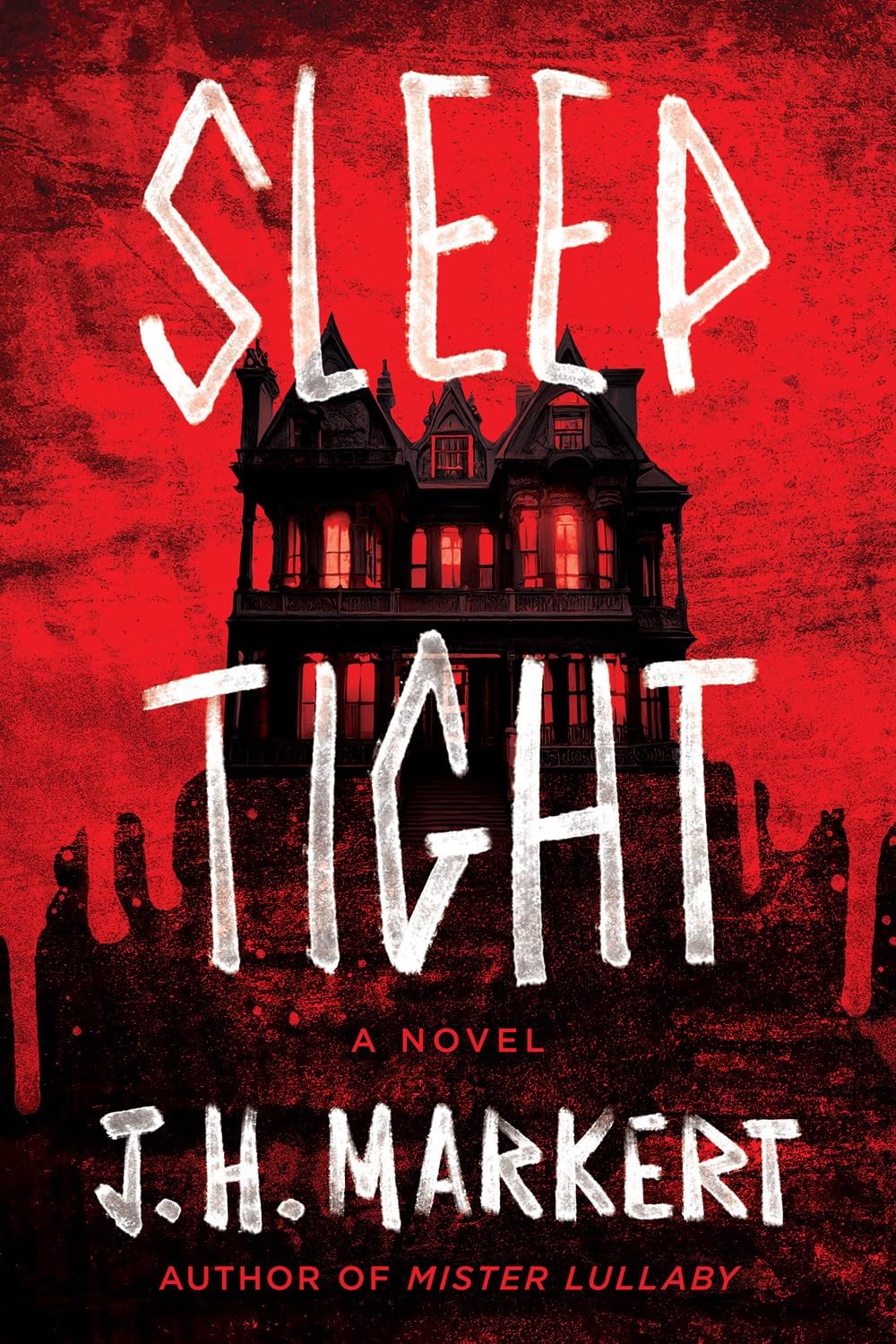
Sleep Tight

Set in a Southern town built on secrets (and conveniently, a former prison), Sleep Tight promises high-concept horror but never quite delivers the emotional or narrative weight to make it memorable. While the bones of a chilling thriller are there—sleep clinics, cults, serial killers, unreliable memories—it moves too quickly to make you care.

Sleep Tight

by J.H. Markert

When the nightmare is the story itself.

Sleep Tight by J.H. Markert

Title:

Author:

Genre:

Page Count:

Release Date:

Enjoyment:
Writing:
Characters:
Plot:
Readability:
Setting:

Sleep Tight

J.H. Markert

Thriller; Mystery

321

September 10, 2024

♥ ♥
♥ ♥ ♥
♥ ♥ ♥
♥ ♥
♥ ♥ ♥
♥ ♥ ♥

The Quick Look

Set in a Southern town built on secrets (and conveniently, a former prison), Sleep Tight promises high-concept horror but never quite delivers the emotional or narrative weight to make it memorable. While the bones of a chilling thriller are there—sleep clinics, cults, serial killers, unreliable memories—it moves too quickly to make you care.

  • Themes: Unreliable memory, cults, serial killers, trauma, southern secrets.
  • Read if you like: The Devil All the Time, Doctor Sleep, or fast-paced thrillers that blur reality.
  • Best for: Readers who want quick, creepy reads with Southern gothic flair.
  • Skip if: You need strong character arcs, emotional payoff, or slow-burn suspense… or if you wanna read a good book. Is that mean?

The Full Review

PLOT & PACING
The premise? Intriguing. A sleep clinic sits atop a repurposed prison with a sinister past. There are cults, serial killers, and patients experiencing more than just nightmares. Sounds like a solid setup, right? Unfortunately, the pacing moves so fast that key plot points blur together, and big reveals don’t land with any real weight. Instead of feeling urgent, it just feels rushed.

CHARACTER & VOICE
There are a lot of characters—but few you’ll actually remember. With so much ground to cover and so little time to connect, none of them felt like more than vehicles to move the plot along. The emotional stakes never quite settle in, and even the creepiest characters feel like ideas instead of people.

STYLE & ATMOSPHERE
Markert brings a distinct Southern gothic vibe to Harrod’s Reach, Kentucky, and I appreciated the local flavor. The setting had potential, but it wasn’t fully explored. The writing is clean and competent, but not particularly memorable. At times, it felt more like reading a treatment for a TV show than a fully fleshed-out novel.

THEMES & DEPTH
The book tries to grapple with big themes—memory, identity, trauma—but it barely scratches the surface. Unreliable narrators can be fascinating, but only if you care about them. Without a strong emotional core, the book’s mysteries don’t resonate. Instead of raising questions that linger, it just left me indifferent.

PERSONAL TAKE
I wanted to like this. I’m always down for a story rooted in Kentucky soil, and I typically enjoy dark, Southern-set thrillers. But Sleep Tight just didn’t do it for me. I didn’t care enough about the characters to be invested in the twists, and by the end, I felt more numb than unsettled.

FINAL VERDICT
A creepy concept with Southern flair that races toward its finish line without giving you time to connect. Forgettable, unfortunately.

The Final Verdict

Quick and creepy, but ultimately too shallow to make you care.

All the Dangerous Things

Stacy Willingham’s sophomore novel is another twisty descent into unreliable minds and murky motives. All the Dangerous Things is a slow-burning mystery that explores the price of sleepless nights, fractured memory, and motherhood’s heaviest burdens.

All the Dangerous Things

by Stacy Willingham

She hasn’t slept in a year—and the nightmare’s only getting worse.

All the Dangerous Things by Stacy Willingham

Title:

Author:

Genre:

Page Count:

Release Date:

Enjoyment:
Writing:
Characters:
Plot:
Readability:
Setting:

All the Dangerous Things

Stacy Willingham

Mystery; Thriller

323

January 10, 2023

♥ ♥ ♥
♥ ♥ ♥
♥ ♥ ♥ ♥
♥ ♥ ♥ ♥
♥ ♥ ♥ ♥
♥ ♥ ♥

The Quick Look

Stacy Willingham’s sophomore novel is another twisty descent into unreliable minds and murky motives. All the Dangerous Things is a slow-burning mystery that explores the price of sleepless nights, fractured memory, and motherhood’s heaviest burdens.

  • Themes: Motherhood, mental health, perception of reality, gaslighting, trauma.
  • Read if you like: The Girl on the Train, Listen for the Lie, unreliable narrators, or true crime podcast vibes.
  • Best for: Fans of psychological thrillers that unravel slowly but pack a punch.
  • Skip if: You need a quick pace, high action, or definitive twists.

The Full Review

PLOT & PACING
Isabelle Drake hasn’t slept well since the night her son, Mason, disappeared from his crib. To keep attention on the case, she’s become a reluctant public figure on the true crime circuit. But the story shifts when a true crime podcaster arrives, forcing Isabelle to confront her past and her own reliability. The plot unfolds across two timelines—one in the present, one from Isabelle’s childhood—both casting doubt on what she knows and what she’s repressing. While the pacing can feel slow, it builds tension with steady unease.

CHARACTER & VOICE
Isabelle is a complex, emotionally frayed narrator. Her desperation and exhaustion feel palpable, and the foggy boundaries of her memory make her both sympathetic and suspect. As the novel explores her history—including the long-buried trauma of her sister’s death—her voice remains the anchor. Secondary characters feel functional, but Isabelle’s inner life is rich and unsettling.

STYLE & ATMOSPHERE
Willingham’s prose is accessible and clean, with just enough lyrical edge to keep things interesting. The tone is claustrophobic and disorienting—perfect for a story about the creeping edges of sanity. The atmosphere walks the line between domestic thriller and psychological horror.

THEMES & DEPTH
At its heart, the novel examines motherhood and memory—how trauma can warp our perceptions and what it means to trust yourself. The interplay between public persona and private pain adds another layer. It also asks: what happens when the only thing you can rely on (your own mind) turns against you?

PERSONAL TAKE
This wasn’t quite as gripping as A Flicker in the Dark, but it had its moments. I liked the misdirection, the layers of memory, and the dual timelines. It reminded me a bit of The Girl on the Train—but less about scandal, more about self-doubt. I didn’t love it, but I appreciated the exploration of maternal grief and fragmented identity. I really wanted this book to explore the critique of the true crime industry a bit more, but that is not this book.

The Final Verdict

A moody, introspective thriller that trades big twists for slow revelations—and keeps you guessing what’s real until the very end.

“But that’s the thing about grief: There is no manual for it. There is no checklist outlining the optimal way to move through it and move on.”
All the Dangerous Things by Stacy Willingham
All the Dangerous Things
by Stacy Willingham

Incidents Around the House

Properly terrifying, emotionally raw, and eerily believable—Incidents Around the House is the kind of horror that lingers in the corner of your eye long after the final page.

Incidents Around the House

by Josh Malerman

Some secrets won’t stay buried—they wait... and they watch.

Incidents Around the House by Josh Malerman

Title:

Author:

Genre:

Page Count:

Release Date:

Enjoyment:
Writing:
Characters:
Plot:
Readability:
Setting:

Incidents Around the House

Josh Malerman

Horror

384

June 5, 2024

♥ ♥ ♥ ♥
♥ ♥ ♥
♥ ♥ ♥ ♥
♥ ♥ ♥ ♥
♥ ♥ ♥
♥ ♥ ♥ ♥

The Quick Look

Told entirely through the eyes of 8-year-old Bela, Incidents Around the House is a masterclass in creeping dread. It’s the kind of horror that doesn’t rely on gore or jump scares—it burrows under your skin and stays there. With a terrifying entity known only as “Other Mommy,” and a family unraveling under the weight of secrets, Josh Malerman delivers one of the most unsettling reads of the year.

  • Themes: Family secrets, childhood fear, inherited trauma, the danger of what’s left unsaid.
  • Read if you like: The Babadook, Hereditary, creepy dolls and creepier parents, or horror with an emotional core.
  • Best for: Readers who enjoy psychological horror, child narrators done well, or anyone looking to be properly unnerved.
  • Skip if: You prefer clear-cut explanations, hate unreliable narration, or can’t handle child-in-peril stories.

HEADS UP: This one doesn’t use quotation marks. Personally, I recommend listening to this one. The reader does a phenomenal job.

The Full Review

PLOT & PACING
Bela is a young girl haunted by “Other Mommy”—a sinister figure who whispers terrifying things and wants to “go into her heart.” Told exclusively from Bela’s point of view, the story unfolds with limited understanding, making every moment more chilling. Layered on top of the supernatural is the slow unspooling of family secrets, some of which are revealed in nighttime confessions whispered at the foot of Bela’s bed. The pacing is deliberately slow, feeding the dread drip by drip until you’re begging for release.

CHARACTER & VOICE
Bela is one of the most believable child narrators I’ve read in horror. Her confusion, her innocence, her attempts to make sense of a world filled with shadows—it’s heartbreaking and chilling. The audiobook’s voice actress nails this balance, grounding Bela in reality while letting the terror leak through. The adults around her—especially her parents—are painted with growing unease. Their inability to protect, explain, or even behave like grown-ups makes the horror feel even more helpless.

STYLE & ATMOSPHERE
Malerman’s prose is simple but effective, perfectly suited to a child’s narration. The atmosphere is thick with tension and claustrophobia. There’s something off in every scene—an uncanny wrongness that builds with each page. If The Babadook got under your skin, this one will burrow even deeper.

THEMES & DEPTH
This is more than a haunted house story. It’s a quiet, aching look at how children inherit fear and trauma from sources they often don’t understand. The horrors here aren’t just supernatural—they’re rooted in what parents hide, what they refuse to say aloud, and what they think their children can’t hear. Incidents Around the House is about the dangers of secrets and the devastating ways they echo through a family.

PERSONAL TAKE
I listened to this one on audio, and the narrator brought Bela fully to life. It was unnerving, intimate, and—at times—devastating. “Other Mommy” is easily one of the creepiest horror creations I’ve encountered in a while. I don’t think I’ll ever forget her voice. This isn’t flashy horror. It’s slow, strange, and so deeply unsettling. I was uncomfortable the entire time… and I mean that as a compliment.

The Final Verdict

Properly terrifying, emotionally raw, and eerily believable—Incidents Around the House is the kind of horror that lingers in the corner of your eye long after the final page.

“If you think about it, every time you’ve ever been scared in your life so far, you’ve also survived whatever you were scared of. Right? You’ve literally gotten through everything you thought you might not. Everything you thought you weren’t strong enough to get through…you got through it. Or else you wouldn’t be here to know you got through it. Right?”
Incidents Around the House by Josh Malerman
Incidents Around the House
by Josh Malerman