A Well-Trained Wife

She followed all the rules. They nearly destroyed her.

A Well-Trained Wife

by Tia Levings

She followed all the rules. They nearly destroyed her.

A Well-Trained Wife

Title:


Author:

Genre:

Page Count:

Release Date:

Enjoyment:
Writing:
Characters:
Plot:
Readability:
Setting:

A Well-Trained Wife: 
My Escape from Christian Patriarchy

Tia Levings

Memoir / Non-Fiction / Religious Trauma

304

August 6, 2024

♥ ♥ ♥ ♥ 
♥ ♥ ♥ ♥ ♥
n/a (Memoir)
n/a (Memoir)
♥ ♥ ♥ ♥ ♥
♥ ♥ ♥ ♥

The Quick Look

This is a memoir you’ll carry with you long after the final page. Tia Levings shares her survival with honesty, artistry, and unwavering courage. A Well-Trained Wife is a haunting story of spiritual abuse, control, and the quiet strength it takes to break free.

TRIGGER WARNINGS: Spiritual Abuse, Domestic Violence, Emotional Manipulation, Misogyny,
Gaslighting, Psychological Trauma, Child Abuse (non-graphic), Religious Extremism

  • Themes: Religious Trauma, Survival, Motherhood, Identity, Autonomy, Healing, Resilience
  • Read If You Like
    • Educated by Tara Westover
    • Jesus & John Wayne by Kristin Kobes du Mez
    • Memoirs that explore religious control and personal rebirth
    • Stories of women reclaiming their voices after oppression
  • Best For: Readers seeking stories of faith deconstruction, resilience, and real-life escape from toxic ideology.
  • Skip If: You’re uncomfortable with blunt depictions of abuse or questioning traditional religious structures.

The Full Review

PLOT & PACING
This isn’t a story told for shock value—it’s a lived experience, recounted with grace and urgency. The pacing reflects the long, slow burn of survival and the sudden sparks of revelation. It moves like life does: uneven, painful, and real.

CHARACTER & VOICE
Tia’s voice is steady, thoughtful, and sharp with clarity. She’s not only a survivor—she’s a storyteller. The people in her life, from controlling husband to complicit church leaders, aren’t exaggerated. They’re exactly as chilling as real life can be.

STYLE & ATMOSPHERE
Beautifully written, with an artist’s soul and a survivor’s precision. The writing never feels melodramatic—it’s restrained and powerful, with metaphors that bloom like bruises. The atmosphere is quietly terrifying, but always laced with hope.

THEMES & DEPTH
This memoir confronts patriarchy, indoctrination, and identity with honesty and empathy. It asks: What happens when you’re told submission is sacred? What happens when you start to question the script? The themes run deep—and they hit hard.

PERSONAL TAKE 
My husband asked me how it was. I still can’t find the right words. A Well-Trained Wife is horrifying and full of healing. Beauty and ashes. Unreadable and unputdownable. I’m in awe of Tia’s bravery, and proud to stand with other women who are learning to be resilient together.

The Final Verdict

Part survival story, part spiritual reckoning, A Well-Trained Wife is a quiet act of rebellion—and a roaring call for freedom.

💀💀💀💀💀 out of 5 broken chains.

As wild women, we’ve got to stay un-tamed together.
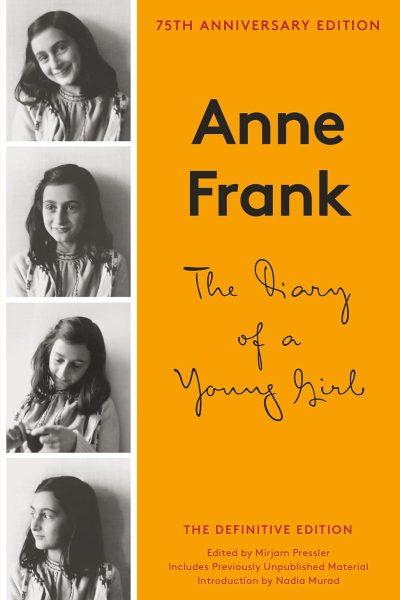
The Diary of a Young Girl

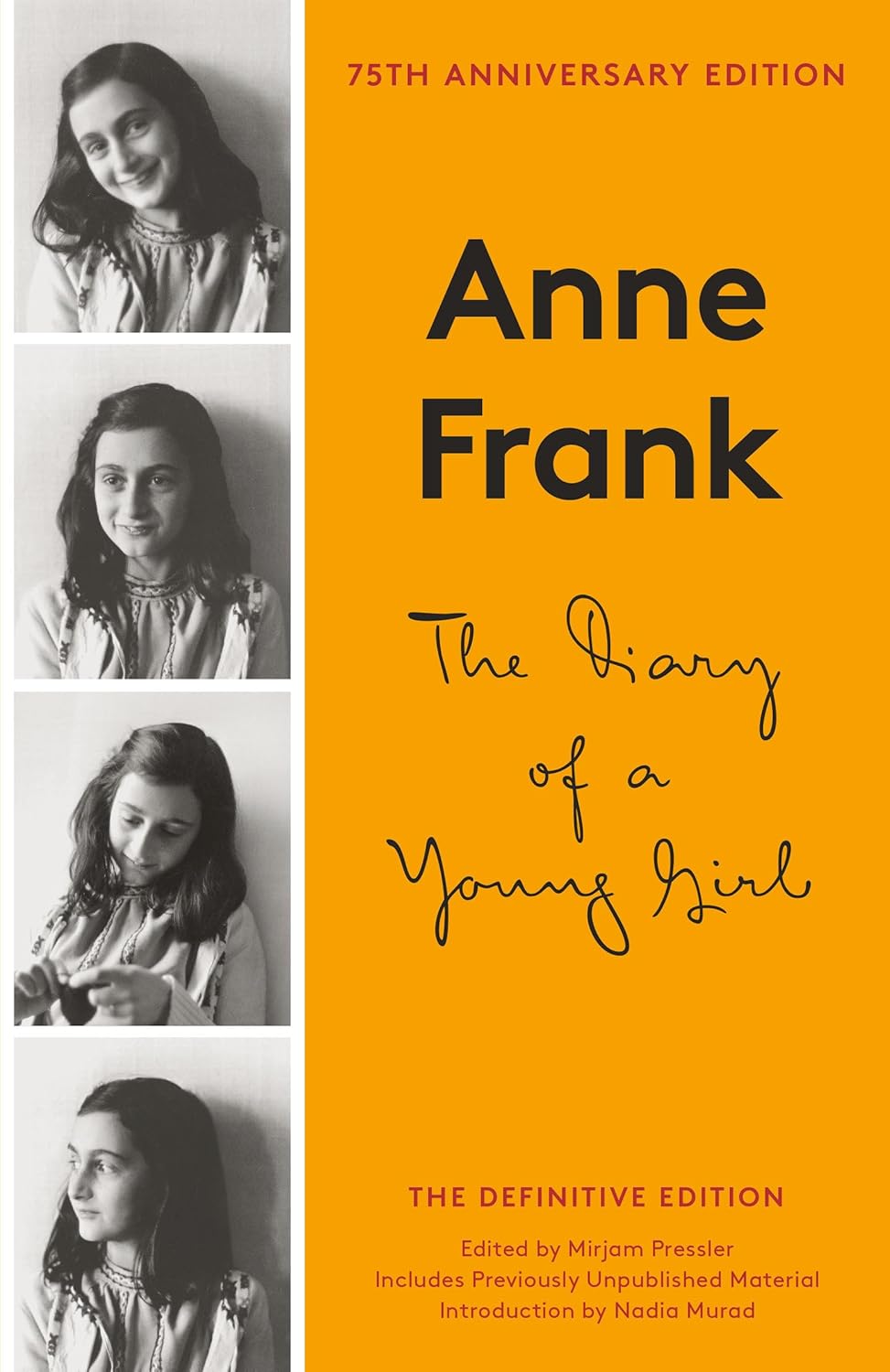
First published in 1947, Diary of a Young Girl is Anne Frank’s unflinching account of her years in hiding during the Nazi occupation of the Netherlands. Written between the ages of 13 and 15, Anne captures the claustrophobia of life in the Secret Annex alongside moments of humor, longing, and sharp self-reflection. More than a historical document, it’s a mirror held up to the human experience—offering a deeply relatable portrait of adolescence under impossible circumstances.

The Diary of a Young Girl

by Anne Frank

Ordinary life under extraordinary threat.

The Quick Look

First published in 1947, Diary of a Young Girl is Anne Frank’s unflinching account of her years in hiding during the Nazi occupation of the Netherlands. Written between the ages of 13 and 15, Anne captures the claustrophobia of life in the Secret Annex alongside moments of humor, longing, and sharp self-reflection. More than a historical document, it’s a mirror held up to the human experience—offering a deeply relatable portrait of adolescence under impossible circumstances.

  • Release Date: June 5, 1947
  • Pages: 351
  • Genre: Non-Fiction / Memoir / Historical
  • Themes: Isolation, resilience, adolescence, identity, humanity in crisis
  • Read if you like: First-person narratives, WWII history, candid coming-of-age stories
  • Best for: Readers seeking both history and humanity in one voice
  • Skip if: Don’t. It’s such an important work that everyone should read it.

Enjoyment:
Writing:
Characters:
Plot:
Readability:
Setting:

♥ ♥ ♥ ♥
♥ ♥ ♥ ♥ ♥
♥ ♥ ♥ ♥
♥ ♥ ♥
♥ ♥ ♥ ♥ ♥
♥ ♥ ♥ ♥ ♥

Enjoyment:   ♥ ♥ ♥ ♥
Writing:         ♥ ♥ ♥ ♥ ♥
Characters:   ♥ ♥ ♥ ♥
Plot:                ♥ ♥ ♥
Readability:   ♥ ♥ ♥ ♥ ♥
Setting:          ♥ ♥ ♥ ♥ ♥

The Full Review

PLOT & PACING

Anne’s diary doesn’t follow a traditional storyline—you won’t find a clear beginning, middle, and end shaped for dramatic effect. Instead, it unfolds as life actually happens: a mix of long, uneventful days; sharp spikes of tension; and occasional moments of joy. The sense of confinement is palpable—rooms described in detail, whispered conversations, the constant fear of being heard by someone who might betray them. And yet, between descriptions of rationed food and whispered arguments, there are dances, shared meals, and dreams of the future. The pacing is deliberate because the stakes are not just plot points—they’re life and death.

CHARACTER & VOICE

Anne’s voice is what transforms this diary from historical record to enduring literature. She’s clever, funny, stubborn, and deeply observant, often catching herself in contradictions and analyzing her own flaws with surprising maturity. Her relationships—especially with her parents, sister Margot, and the Van Daan family—are layered with irritation, affection, and the inevitable friction of living in such close quarters. She writes about Peter with both curiosity and adolescent confusion, capturing the awkwardness of first feelings in a place where privacy barely exists. Her humanity and vulnerability make her timeless.

STYLE & ATMOSPHERE

The tone swings between lighthearted musings and heavy reflections, often within the same entry. Anne’s gift lies in her ability to make you feel like you’re in the room with her—leaning over her shoulder as she writes by candlelight. She doesn’t shy away from her emotions, whether she’s lamenting the unfairness of the world or laughing at the quirks of her housemates. The Annex itself becomes a character: a tiny maze of cramped rooms, hidden staircases, and the constant hum of the outside world pressing in through walls and windows.

THEMES & DEPTH

Yes, it’s a record of survival during the Holocaust, but it’s also about the universal experiences of adolescence—wanting to be taken seriously, clashing with parents, feeling lonely in a crowd, aching to experience the world just outside the window. Anne reflects on human nature, morality, and justice with insight far beyond her years. She confronts the absurdity of holding onto ideals in a world that keeps shattering them, and yet she clings to those ideals because letting them go would mean giving up the fight. Her words echo with an enduring moral urgency: history isn’t abstract; it’s lived by people who could be us.

PERSONAL TAKE

When I first read this in high school, I didn’t appreciate the full weight of it. Coming back as an adult, I see not only the unimaginable circumstances but the ordinariness of the life being lived inside them. Anne’s diary is a bridge between then and now—a reminder that the people we learn about in history were once teenagers dreaming about the future, arguing over chores, and wondering if they’d ever be understood. That’s why we read Anne Frank above all others. History so often focuses on the heroic characters that we tend to overlook the ordinary, the people who could very easily be you or me. Anne Frank’s diary makes history personal.

The Final Verdict

Anne Frank’s diary isn’t just about the Holocaust—it’s about the fragility of freedom and the resilience of the human spirit. In a world still facing antisemitism, authoritarianism, and refugee crises, her words challenge us to confront prejudice, protect human rights, and value the ordinary joys we often take for granted. Her voice reminds us that history’s darkest chapters begin with small acts of intolerance—and that hope is an act of resistance.

“It is difficult in times like these: ideals, dreams, and cherished hopes rise within us, only to be crushed by grim reality. It's a wonder I haven't abandoned all my ideals, they seem so absurd and impractical. Yet, I cling to them because I still believe, in spite of everything, that people are truly good at heart.”
The Diary of a Young Girl by Anne Frank
Diary of a Young Girl
by Anne Frank
Check Out Our Recent Reviews!

Taste: My Life Through Food

Stanley Tucci serves up his life one lovingly prepared dish at a time, reminding us that the best stories—and the best meals—are meant to be shared.

Taste: My Life Through Food

by Stanley Tucci

Come for the negroni and carbonara. Stay for the stories.

Taste: My Life Through Food by Stanley Tucci

Title:

Author:

Genre:

Page Count:

Release Date:

Enjoyment:
Writing:
Characters:
Plot:
Readability:
Setting:

Taste: My Life Through Food

Stanley Tucci

Memoir (and cookbook)

286

October5, 2021

♥ ♥ ♥ ♥ ♥
♥ ♥ ♥ ♥ ♥
♥ ♥ ♥ ♥ ♥
♥ ♥ ♥ ♥ ♥
♥ ♥ ♥ ♥ ♥
♥ ♥ ♥ ♥ ♥

The Quick Look

Part memoir, part cookbook, Taste is Stanley Tucci at his most charming—witty, warm, and insatiably obsessed with food. It’s not just about meals, but moments: family gatherings, film sets, health scares, and the stories that shape a life. If you weren’t already in love with Tucci, prepare yourself.

  • Themes: Family, growth, the journey of life through food.
  • Read if you like: Kitchen Confidential, Eat Pray Love, or hearing someone’s entire life story told over a shared meal.
  • Best for: Foodies, Tucci fans, memoir lovers, and anyone who thinks meals are meant to be shared.
  • Skip if: You don’t enjoy food descriptions (who are you??), dislike celebrity memoirs, or want a more traditional narrative arc.

The Full Review

PLOT & PACING
This isn’t a traditional memoir with a tidy beginning, middle, and end. Instead, Tucci structures his story through the lens of food—from his Italian-American upbringing to dinners on movie sets, to his battle with cancer (spoiler alert!). Each chapter feels like a delicious new course, complete with anecdotes and recipes that let you taste along.

CHARACTER & VOICE
Tucci is magnetic. His voice (especially in the audiobook) is part dinner party host, part wisecracking dad (Have you seen him in Easy A?), part sentimental gourmand. His stories about his parents, his late wife Kate, and his love for his current family are full of heart. This is a man who feels deeply and lives deliciously—and it shows.

STYLE & ATMOSPHERE
Effortlessly stylish—like Tucci himself. There’s a clear through-line of elegance, humor, and genuine love for food and people. The tone is conversational, but never shallow. You feel like you’re at his kitchen counter, sipping wine and listening to him talk as he cooks.

THEMES & DEPTH
Food is the lens, but the themes are universal: love, grief, joy, resilience. Tucci shows us how recipes can be heirlooms, how the loss of taste can be devastating, and how even the most everyday meals can become extraordinary when shared with people you love.

PERSONAL TAKE
I loved every bite of this book. Whether he’s roasting chickens or roasting himself, Tucci never misses. I laughed, I got hungry, I even teared up. And yes, I absolutely listened to the audiobook—and you should too. It’s an experience.

The Final Verdict

A cozy, compelling memoir seasoned with sharp wit and genuine heart. Tucci doesn’t just tell you his story—he feeds it to you.

"Spaghetti alla carbonara. Fuck. It's incredible. Especially at this one place in Rome. FUCK!!!!"
Taste: My Life Through Food by Stanley Tucci
Taste
by Stanley Tucci