The Amalfi Curse

Set against the glittering backdrop of Italy’s Amalfi Coast, The Amalfi Curse delivers a dual-timeline tale of nautical archaeology, ancient magic, and star-crossed love. Sarah Penner weaves history and folklore into a breezy adventure that flirts with fantasy but ultimately favors romance over revelation.

The Amalfi Curse

by Sarah Penner

Along the Amalfi Coast, the sea has a memory—and it never forgets.

The Quick Look

Set against the glittering backdrop of Italy’s Amalfi Coast, The Amalfi Curse delivers a dual-timeline tale of nautical archaeology, ancient magic, and star-crossed love. Sarah Penner weaves history and folklore into a breezy adventure that flirts with fantasy but ultimately favors romance over revelation.

  • Release Date: April 29, 2025
  • Pages: 325
  • Genre: Historical Fiction/Mystery
  • Themes: Ancestral magic, legacy, grief, underwater archaeology, love as healing
  • Read if you like: The Lost Apothecary, books with sea witches and shipwrecks, dual POV narratives
  • Best for: Fans of immersive coastal settings and soft magical realism
  • Skip if: You want a fast-paced thriller or a more satisfying high-stakes conclusion

Enjoyment:
Writing:
Characters:
Plot:
Readability:
Setting:

♥ ♥ ♥ ♥
♥ ♥ ♥ ♥
♥ ♥ ♥ ♥
♥ ♥ ♥
♥ ♥ ♥ ♥
♥ ♥ ♥ ♥ ♥

Enjoyment:   ♥ ♥ ♥ ♥
Writing:         ♥ ♥ ♥ ♥
Characters:   ♥ ♥ ♥ ♥
Plot:                ♥ ♥ ♥
Readability:   ♥ ♥ ♥ ♥ 
Setting:          ♥ ♥ ♥ ♥ ♥

The Full Review

PLOT & PACING
The story alternates between Haven Ambrose—a modern-day underwater archaeologist searching for treasure located by her late father—and Mari DeLuca, a 17th-century sea witch, descended from the mythological sirens, trying to save her village from looters and pirates. The early chapters promise intrigue and a moody Mediterranean mystery, but as the plot unfolds, the stakes begin to soften. The final act leans heavily into sentimentality, with a climax that feels more like a moral lesson than a satisfying payoff. Still, the premise is fun, and the journey offers enough sparkle to carry readers along.

CHARACTER & VOICE
Haven is easy to root for: smart, driven, and grieving. Her story is the stronger of the two timelines, grounded in real-world urgency and peppered with academic ambition. Mari’s chapters, while romantic and magical, sometimes feel underdeveloped by comparison. Villains like Conrad and Gage could have been explored more deeply—they had the potential for real tension but remained fairly one-note. Meanwhile, the Fratelli Mazza, the brothers who dominate black market trade in the Amalfi Coast during Mari’s time are quite nefarious. Holmes, Mari’s lover, exists mostly as a device. Still, Haven’s growth and emotional arc provide a solid anchor for the novel.

STYLE & ATMOSPHERE
Penner’s style is lush and accessible, bringing Positano’s cliffside beauty and underwater mysteries to life. The sea is practically a character in its own right—brimming with power, myth, and secrets. The chapters flow smoothly, and while the romantic thread feels a bit obvious at times, the setting and structure carry the weight. It’s a breezy read with flashes of magic and wonder.

THEMES & DEPTH
Grief, legacy, and the question of what we inherit—emotionally and spiritually—run deep here. The concept of stregheria (sea witchcraft) is intriguing, and Penner makes it feel plausible without overexplaining. But the deeper questions—about greed, exploitation, and who gets to control history—don’t get quite enough exploration. The ending, while warm, feels a bit too tidy, with the final message landing somewhere between Hallmark and happily-ever-after.

PERSONAL TAKE
As someone who loved The Lost Apothecary, I enjoyed the familiar structure and tone. I was especially drawn to Haven’s underwater exploration and the archaeological elements—I just wish there’d been more of it. Less romance, more ruins. The setting was a dream, and I wanted to spend more time diving with Haven, dodging danger, and piecing together the mystery. Still, there’s a charm to how Penner spins magic along the gorgeous Amalfi Coast.

The Final Verdict

A sun-drenched escape with a touch of magic and mystery. The Amalfi Curse doesn’t quite stick the landing, but the journey—full of shipwrecks, secrets, and sea witches—is a lovely one.

"Sometimes, the greatest treasure to be found is... love."
The Amalfi Curse by Sarah Penner
The Amalfi Curse
by Sarah Penner
Check Out Our Recent Reviews!

Bury Our Bones in the Midnight Soil

V.E. Schwab delivers a haunting, poetic masterpiece in Bury Our Bones in the Midnight Soil. This standalone sapphic gothic fantasy weaves the stories of Maria, Charlotte, and Alice—three women from different eras bound by blood, desire, and the fight to live freely in a world that demands their submission. It’s a tale of autonomy, consequence, and craving—both literal and metaphorical.

Bury Our Bones in the Midnight Soil

by V.E. Schwab

What they couldn’t have in life, they took in death.

Bury Our Bones in the Midnight Soil by V.E. Schwab

Title:

Author:

Genre:

Page Count:

Release Date:

Enjoyment:
Writing:
Characters:
Plot:
Readability:
Setting:

Bury Our Bones in the Midnight Soil

V.E. Schwab

Gothic Fantasy

533

June 10, 2025

♥ ♥ ♥ ♥ ♥
♥ ♥ ♥ ♥ ♥
♥ ♥ ♥ ♥ ♥
♥ ♥ ♥ ♥ ♥
♥ ♥ ♥ ♥ ♥
♥ ♥ ♥ ♥ ♥

The Quick Look

V.E. Schwab delivers a haunting, poetic masterpiece in Bury Our Bones in the Midnight Soil. This standalone sapphic gothic fantasy weaves the stories of Maria, Charlotte, and Alice—three women from different eras bound by blood, desire, and the fight to live freely in a world that demands their submission. It’s a tale of autonomy, consequence, and craving—both literal and metaphorical.

  • Themes: Autonomy, hunger, queerness, societal expectation, choice & consequence.
  • Read if you like: Feminist horror, vampire mythology, lush prose, or stories that ask what freedom really costs.
  • Best for: Readers craving character-driven gothic tales that ache with beauty and sorrow.
  • Skip if: You want a plot-driven page-turner without slow burn or introspection. Or, better yet… don’t!

The Full Review

PLOT & PACING
Told across many centuries, the story follows Maria, Charlotte, and Alice, women bound not by time but by shared defiance. Each faces a life marked by isolation, repression, and a yearning for more. Their paths twist through love, trauma, death, and rebirth as they embrace a dark power that offers freedom at a terrible cost. The pacing is deliberate, steeped in gothic atmosphere and internal reckoning, and the threads tie together in a devastatingly satisfying finale.

CHARACTER & VOICE
Maria is fire and fury. Charlotte is longing and love. Alice is ache and grief. Schwab renders each woman with astonishing clarity and emotional depth. Even the secondary characters shine. But it’s the intimacy of each voice—their rage, tenderness, defiance—that makes this story so arresting. These women feel real, like friends you grieve for long after the final page.

STYLE & ATMOSPHERE
This is Schwab at her most lyrical. Her writing lingers on the tongue like a spell: lush, intimate, aching. The gothic settings are thick with dread and wonder—from Spanish manors and grand Venetian houses to lavish English mansions and even Boston Common. Darkness pervades, but so does fierce light. The atmosphere doesn’t just haunt—it devours.

THEMES & DEPTH
Bury Our Bones is about the price of freedom. It’s about hunger—sexual, emotional, existential—and the power of reclaiming your story. Vampirism here isn’t just bloodlust—it’s metaphor. It’s survival. It’s defiance. Schwab unearths the rot beneath patriarchal structures and dares her characters to burn it all down.

PERSONAL TAKE
This novel gutted us—in the best way. Jenni said she was left starving for more. For Drew, it was a masterclass in character, metaphor, and social commentary. Schwab reminds us that living fully, fiercely, freely often comes at a cost—but that doesn’t mean it isn’t worth it.

The Final Verdict

Dark, dazzling, and unflinchingly bold—Schwab’s latest is a centuries-spanning reckoning with who we’re told to be, and the fierce, burning hunger to become something more.

The world will try to make you small. It will tell you to be modest, and meek. But the world is wrong. You should get to feel and love and live as boldly as you want.
Bury Our Bones in the Midnight Soil by V.E. Schwab
Bury Our Bones in the Midnight Soil
by V.E. Schwab

Andromeda

Set inside the venerable Swedish publishing house Rydéns, Andromeda traces the intertwined perspectives of Sofie, a young intern, and Gunnar, the editor-in-chief who takes her under his wing. Therese Bohman delivers a compact, observant novel about the delicate dance between tradition and modernity, ambition and nostalgia, and the charged space between platonic respect and something more ambiguous.

Andromeda

by Therese Bohman, Translated by Marlaine Delargy

In Stockholm’s literary halls, the lines between mentorship and desire blur in quiet, unsettling ways.

The Quick Look

Set inside the venerable Swedish publishing house Rydéns, Andromeda traces the intertwined perspectives of Sofie, a young intern, and Gunnar, the editor-in-chief who takes her under his wing. Therese Bohman delivers a compact, observant novel about the delicate dance between tradition and modernity, ambition and nostalgia, and the charged space between platonic respect and something more ambiguous.

  • Release Date: Jan. 14, 2025
  • Pages: 180
  • Genre: Literary Fiction
  • Themes: Mentorship, power dynamics, publishing life, tradition vs. change, gender in the workplace
  • Read if you like: Office politics with literary flair, character-driven stories in dual POV, morally gray relationships
  • Best for: Readers who enjoy subtle emotional tension and behind-the-scenes glimpses into the book world
  • Skip if: You want a high-stakes plot or neatly defined relationships

Enjoyment:
Writing:
Characters:
Plot:
Readability:
Setting:

♥ ♥ ♥
♥ ♥ ♥ ♥
♥ ♥ ♥ ♥
♥ ♥ ♥
♥ ♥ ♥ ♥
♥ ♥ ♥

Enjoyment:   ♥ ♥ ♥
Writing:         ♥ ♥ ♥ ♥
Characters:   ♥ ♥ ♥ ♥
Plot:                ♥ ♥ ♥
Readability:   ♥ ♥ ♥ ♥ 
Setting:          ♥ ♥ ♥

The Full Review

PLOT & PACING
The novel unfolds in two halves: the first told through Sofie’s eyes as she navigates her internship under Gunnar’s close attention, the second from Gunnar’s perspective as we revisit familiar moments with fresh insight. The plot is light on action, relying instead on shifting perceptions, quiet office scenes, and the slow build of trust and influence. It’s more a character study than a story with forward momentum, but the mirrored structure gives it a satisfying symmetry.

CHARACTER & VOICE
Sofie begins tentative and self-conscious, her confidence shaped—and at times dependent—on Gunnar’s approval. Gunnar, meanwhile, is a figure caught between pride in his past achievements and disillusionment with the industry’s future. Seeing each character through the other’s eyes adds texture, but also reveals the quiet manipulations and mutual needs underpinning their bond. Neither is wholly likable or unlikable, which keeps the relationship compelling.

STYLE & ATMOSPHERE
Bohman’s prose (and Delargy’s translation) is clean, restrained, and observational. The publishing house feels both rarified and slightly claustrophobic, a space where manuscripts are weighed like rare artifacts and office politics simmer just under the surface. The tone is meditative, with an undercurrent of melancholy that suits the theme of an industry wrestling with change.

THEMES & DEPTH
At its heart, Andromeda examines the unspoken contracts of mentorship—what’s freely given, what’s taken, and the lingering question of who benefits more. It also reflects on the tug-of-war between literary tradition and modern demands, and how gender and power intersect in subtle, often invisible ways. The romance-adjacent tension is never fully resolved, and that ambiguity feels true to life.

PERSONAL TAKE
As someone interested in stories about the inner workings of publishing, I found the details authentic without veering into either idealism or cynicism. I appreciated the structural cleverness of the dual POV, though the understated plot left me wishing for a few more turns of the screw. It’s a quick, thoughtful read that lingers less for what happens than for how it feels to be in that world.

The Final Verdict

A slender, elegant novel that invites you into the gray spaces of mentorship, ambition, and literary life. Andromeda isn’t about sweeping drama—it’s about the quiet ways we influence and are influenced by those around us, for better or worse.

“No one, absolutely no one is irreplaceable, which is a depressing realization. A workplace is like a microcosm of nature, ruled by the laws of evolution: As one species dies out and the whole system is destabilized, an efficient mechanism kicks in to ensure the survival of everyone else, and before long there is a new system, a new balance. Nature's sole purpose is survival, and the same is true of capitalism: A company is like a self-generating animal, a starfish that grows a new arm if a new arm is needed.”
Andromeda by Therese Bohman
Andromeda
by Therese Bohman
Check Out Our Recent Reviews!

The Bones Beneath My Skin

Equal parts Stranger Things, E.T., Forrest Gump, and The Last of Us, The Bones Beneath My Skin is a sci-fi adventure that bursts with humor, warmth, and a pulse of genuine humanity. First self-published in 2017 and re-released by Tor on February 4, 2025, TJ Klune’s novel pairs a fast-paced, high-stakes chase with the kind of emotional depth that leaves a mark. At the center of it all is Artemis Darth Vader—a whip-smart, big-hearted kid with a love for Westerns, an endless appetite for bacon, and the uncanny ability to make you care deeply, fast.

The Bones Beneath My Skin

by TJ Klune

Found family, bacon, and the biggest heart in the galaxy.

The Quick Look

Equal parts Stranger Things, E.T., Forrest Gump, and The Last of Us, The Bones Beneath My Skin is a sci-fi adventure that bursts with humor, warmth, and a pulse of genuine humanity. First self-published in 2017 and re-released by Tor on February 4, 2025, TJ Klune’s novel pairs a fast-paced, high-stakes chase with the kind of emotional depth that leaves a mark. At the center of it all is Artemis Darth Vader—a whip-smart, big-hearted kid with a love for Westerns, an endless appetite for bacon, and the uncanny ability to make you care deeply, fast.

  • Release Date: February 4, 2025 (Tor re-release)
  • Pages: 381
  • Genre: Sci-Fi / Adventure
  • Themes: Found family, recovering from grief, coming out, humanity and connection
  • Read if you like: Quirky, lovable characters; road trip adventures; sci-fi with emotional depth
  • Best for: Readers who want to laugh, cry, and come away feeling more human
  • Skip if: You’re looking for hard sci-fi with dense worldbuilding

Enjoyment:
Writing:
Characters:
Plot:
Readability:
Setting:

♥ ♥ ♥ ♥ ♥ (x2)
♥ ♥ ♥ ♥ ♥
♥ ♥ ♥ ♥ ♥ (x 20)
♥ ♥ ♥ ♥ ♥
♥ ♥ ♥ ♥ ♥
♥ ♥ ♥ ♥ ♥

Enjoyment:   ♥ ♥ ♥ ♥ ♥ (x2)
Writing:         ♥ ♥ ♥ ♥ ♥
Characters:   ♥ ♥ ♥ ♥ ♥ (x20)
Plot:                ♥ ♥ ♥ ♥ ♥
Readability:   ♥ ♥ ♥ ♥ ♥
Setting:          ♥ ♥ ♥ ♥ ♥

The Full Review

PLOT & PACING
From the opening pages, Klune throws you into a world of urgency and unknowns. Nate Cartwright’s quiet retreat to his family’s cabin is upended the moment he meets Alex and Art—two strangers clearly on the run from dangerous people. What follows is a road trip across backroads and small towns, punctuated by narrow escapes, tense standoffs, and brief moments of safety that feel all the more precious for their rarity. The pacing is a masterclass in balance: action beats never overstay their welcome, and the quieter emotional scenes have room to breathe. This isn’t a story about saving the world—it’s about saving each other—and that keeps the stakes feeling intensely personal.

CHARACTER & VOICE
Artemis Darth Vader might just be one of the most unforgettable characters I’ve ever read. She is pure life—curious, blunt, mischievous, and endlessly endearing. Her obsession with bacon and Westerns adds levity, but her moments of vulnerability are what make her leap off the page. Nate’s wry humor and protective instincts evolve beautifully alongside Alex’s steadiness and quiet resilience. The trio’s dynamic feels authentic, full of banter, unspoken trust, and occasional friction. Even the antagonists, while shadowy, carry enough weight to make the danger feel real. Klune writes relationships—platonic, familial, romantic—with a lived-in quality that’s rare in genre fiction.

STYLE & ATMOSPHERE
Klune’s prose is the kind that feels like a conversation with an old friend—easy, warm, and deceptively simple. He lets moments land without over-explaining, whether it’s a stretch of silent driving or a burst of laughter around a campfire. The Pacific Northwest setting is painted in sensory detail: damp forests, fog-laced mornings, and the crackle of cabin fires. Even the action scenes carry a cinematic clarity, while the more tender moments hum with intimacy. Sci-fi elements are present but never intrusive—the heart of the story is always the people.

THEMES & DEPTH
At its core, The Bones Beneath My Skin asks what it means to be human. It’s about grief and how connection can help us heal, about the courage it takes to protect someone different from yourself, and about the messy, beautiful work of building a chosen family. Klune weaves in questions about identity and belonging without ever losing the thread of adventure. The book reminds us that we’re all, as Art says, “made of dust and stars,” and that connection is what makes life worth living—no matter where you’re from.

PERSONAL TAKE
This was, hands down, one of the most joyful reading experiences I’ve had in years. I laughed out loud, I cried, and I caught myself rereading passages just to savor them again. Artemis Darth Vader now lives rent-free in my heart, and I will think about her every time I see a plate of bacon. TJ Klune is now firmly on my auto-read list—not just because he writes great stories, but because he writes ones that make you feel like a better version of yourself for having read them.

The Final Verdict

A heartfelt, hilarious, and deeply human sci-fi adventure. The Bones Beneath My Skin is proof that the most extraordinary journeys are the ones we take together—whether across town, across the country, or across the stars.

A heartfelt, hilarious, and deeply human sci-fi adventure. The Bones Beneath My Skin is proof that the most extraordinary journeys are the ones we take together—whether across town, across the country, or across the stars.
The Bones Beneath My Skin by TJ Klune
The Bones Beneath My Skin
by TJ Klune
Check Out Our Recent Reviews!

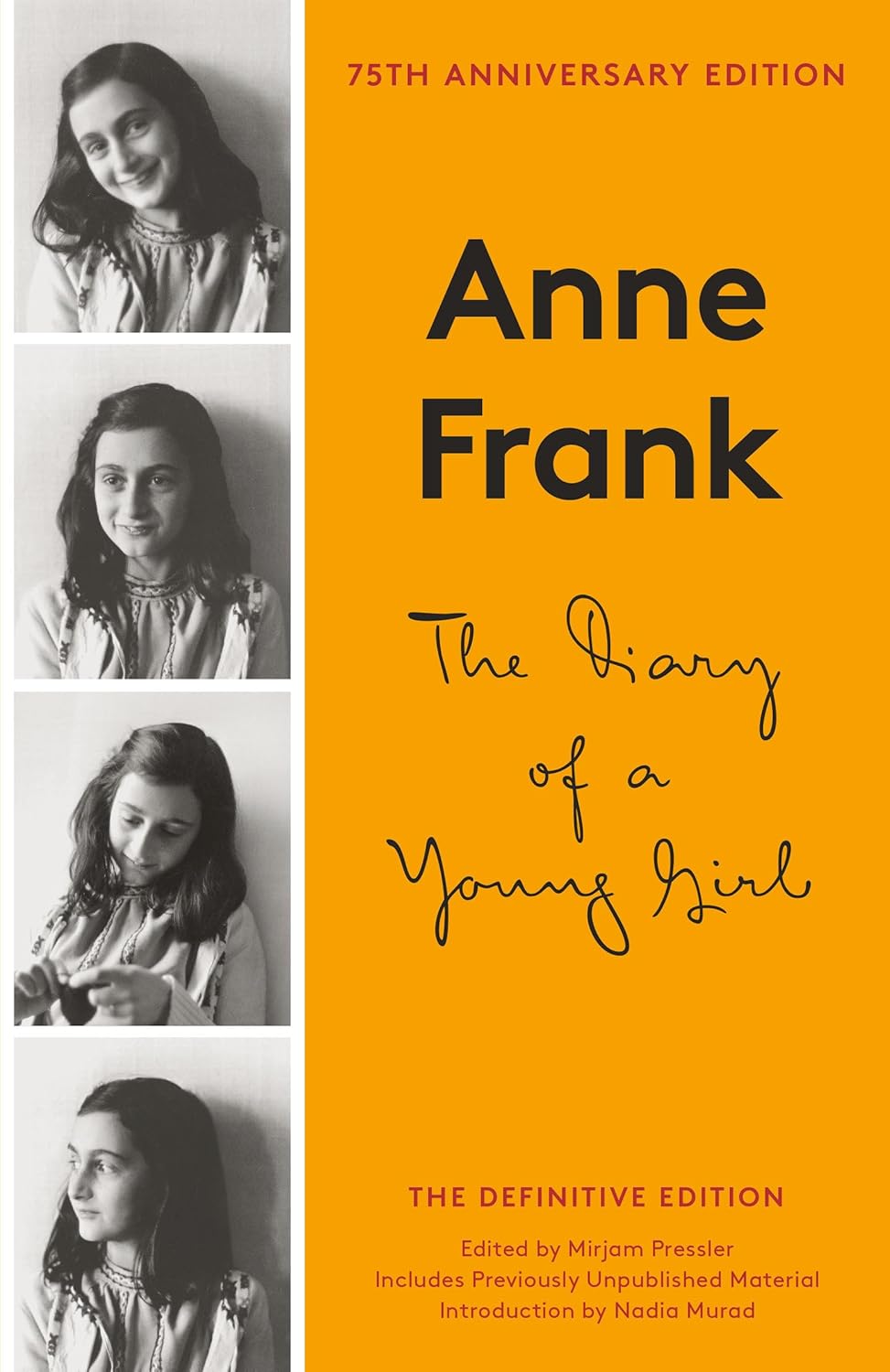
The Diary of a Young Girl

First published in 1947, Diary of a Young Girl is Anne Frank’s unflinching account of her years in hiding during the Nazi occupation of the Netherlands. Written between the ages of 13 and 15, Anne captures the claustrophobia of life in the Secret Annex alongside moments of humor, longing, and sharp self-reflection. More than a historical document, it’s a mirror held up to the human experience—offering a deeply relatable portrait of adolescence under impossible circumstances.

The Diary of a Young Girl

by Anne Frank

Ordinary life under extraordinary threat.

The Quick Look

First published in 1947, Diary of a Young Girl is Anne Frank’s unflinching account of her years in hiding during the Nazi occupation of the Netherlands. Written between the ages of 13 and 15, Anne captures the claustrophobia of life in the Secret Annex alongside moments of humor, longing, and sharp self-reflection. More than a historical document, it’s a mirror held up to the human experience—offering a deeply relatable portrait of adolescence under impossible circumstances.

  • Release Date: June 5, 1947
  • Pages: 351
  • Genre: Non-Fiction / Memoir / Historical
  • Themes: Isolation, resilience, adolescence, identity, humanity in crisis
  • Read if you like: First-person narratives, WWII history, candid coming-of-age stories
  • Best for: Readers seeking both history and humanity in one voice
  • Skip if: Don’t. It’s such an important work that everyone should read it.

Enjoyment:
Writing:
Characters:
Plot:
Readability:
Setting:

♥ ♥ ♥ ♥
♥ ♥ ♥ ♥ ♥
♥ ♥ ♥ ♥
♥ ♥ ♥
♥ ♥ ♥ ♥ ♥
♥ ♥ ♥ ♥ ♥

Enjoyment:   ♥ ♥ ♥ ♥
Writing:         ♥ ♥ ♥ ♥ ♥
Characters:   ♥ ♥ ♥ ♥
Plot:                ♥ ♥ ♥
Readability:   ♥ ♥ ♥ ♥ ♥
Setting:          ♥ ♥ ♥ ♥ ♥

The Full Review

PLOT & PACING

Anne’s diary doesn’t follow a traditional storyline—you won’t find a clear beginning, middle, and end shaped for dramatic effect. Instead, it unfolds as life actually happens: a mix of long, uneventful days; sharp spikes of tension; and occasional moments of joy. The sense of confinement is palpable—rooms described in detail, whispered conversations, the constant fear of being heard by someone who might betray them. And yet, between descriptions of rationed food and whispered arguments, there are dances, shared meals, and dreams of the future. The pacing is deliberate because the stakes are not just plot points—they’re life and death.

CHARACTER & VOICE

Anne’s voice is what transforms this diary from historical record to enduring literature. She’s clever, funny, stubborn, and deeply observant, often catching herself in contradictions and analyzing her own flaws with surprising maturity. Her relationships—especially with her parents, sister Margot, and the Van Daan family—are layered with irritation, affection, and the inevitable friction of living in such close quarters. She writes about Peter with both curiosity and adolescent confusion, capturing the awkwardness of first feelings in a place where privacy barely exists. Her humanity and vulnerability make her timeless.

STYLE & ATMOSPHERE

The tone swings between lighthearted musings and heavy reflections, often within the same entry. Anne’s gift lies in her ability to make you feel like you’re in the room with her—leaning over her shoulder as she writes by candlelight. She doesn’t shy away from her emotions, whether she’s lamenting the unfairness of the world or laughing at the quirks of her housemates. The Annex itself becomes a character: a tiny maze of cramped rooms, hidden staircases, and the constant hum of the outside world pressing in through walls and windows.

THEMES & DEPTH

Yes, it’s a record of survival during the Holocaust, but it’s also about the universal experiences of adolescence—wanting to be taken seriously, clashing with parents, feeling lonely in a crowd, aching to experience the world just outside the window. Anne reflects on human nature, morality, and justice with insight far beyond her years. She confronts the absurdity of holding onto ideals in a world that keeps shattering them, and yet she clings to those ideals because letting them go would mean giving up the fight. Her words echo with an enduring moral urgency: history isn’t abstract; it’s lived by people who could be us.

PERSONAL TAKE

When I first read this in high school, I didn’t appreciate the full weight of it. Coming back as an adult, I see not only the unimaginable circumstances but the ordinariness of the life being lived inside them. Anne’s diary is a bridge between then and now—a reminder that the people we learn about in history were once teenagers dreaming about the future, arguing over chores, and wondering if they’d ever be understood. That’s why we read Anne Frank above all others. History so often focuses on the heroic characters that we tend to overlook the ordinary, the people who could very easily be you or me. Anne Frank’s diary makes history personal.

The Final Verdict

Anne Frank’s diary isn’t just about the Holocaust—it’s about the fragility of freedom and the resilience of the human spirit. In a world still facing antisemitism, authoritarianism, and refugee crises, her words challenge us to confront prejudice, protect human rights, and value the ordinary joys we often take for granted. Her voice reminds us that history’s darkest chapters begin with small acts of intolerance—and that hope is an act of resistance.

“It is difficult in times like these: ideals, dreams, and cherished hopes rise within us, only to be crushed by grim reality. It's a wonder I haven't abandoned all my ideals, they seem so absurd and impractical. Yet, I cling to them because I still believe, in spite of everything, that people are truly good at heart.”
The Diary of a Young Girl by Anne Frank
Diary of a Young Girl
by Anne Frank
Check Out Our Recent Reviews!

Beautiful Ugly

Alice Feeney’s Beautiful Ugly is a mind-bending psychological thriller that keeps twisting until the very last page. With its oxymoronic chapter titles and shifting truths, it’s a haunting meditation on deception, perception, and the secrets we hide—even from ourselves.

Beautiful Ugly

by Alice Feeney

Love and lies. Truth and fiction. Beautiful and ugly.

Beautiful Ugly by Alice Feeney

Title:

Author:

Genre:

Page Count:

Release Date:

Enjoyment:
Writing:
Characters:
Plot:
Readability:
Setting:

Beautiful Ugly

Alice Feeney

Thriller

304

January 14, 2025

♥ ♥ ♥ ♥ ♥
♥ ♥ ♥ ♥ ♥
♥ ♥ ♥ ♥
♥ ♥ ♥ ♥ ♥
♥ ♥ ♥ ♥ ♥
♥ ♥ ♥ ♥ ♥

The Quick Look

Alice Feeney’s Beautiful Ugly is a mind-bending psychological thriller that keeps twisting until the very last page. With its oxymoronic chapter titles and shifting truths, it’s a haunting meditation on deception, perception, and the secrets we hide—even from ourselves.

  • Themes: Perception vs reality, creative fraud, isolation, grief.
  • Read if you like: Gone Girl, twisty thrillers, Scottish island settings, or stories that make you question everything you thought you knew.
  • Best for: Fans of unreliable narrators, readers who love reading about writers, or readers who enjoy the slow unraveling of truth.
  • Skip if: You need clear answers fast or don’t enjoy psychological ambiguity.

The Full Review

PLOT & PACING
The story kicks off with the disappearance of Abby Green and her husband Grady’s descent into confusion, insomnia, and writer’s block. A year later, he escapes to a remote Scottish island to reset—but instead finds a manuscript left behind by the island’s former resident writer (shades of Yellowface), and a series of eerie encounters that suggest Abby might never have truly left. The pacing is tight, the atmosphere moody, and the final act? A masterclass in unexpected twists.

CHARACTER & VOICE
Grady is a mess—in the best way. Feeney masterfully uses the unreliable narrator trope to full effect, keeping us constantly questioning his version of events. Abby, though mostly seen through memory and illusion, becomes a powerful presence. And the island? Almost a character in its own right: strange, watchful, and deeply unsettling.

STYLE & ATMOSPHERE
Feeney’s structure here is genius. Each chapter title is a contradiction—Beautiful Ugly, Definitely Maybe, Perfectly Imperfect—mirroring the dualities in how two people can perceive the same event in completely different ways. The writing walks a taut line between poetic and punchy. There’s a cold, coastal chill that seeps into every paragraph. Scotland has never felt so eerily intimate.

THEMES & DEPTH
The novel explores how people can live completely different versions of the same relationship. It asks hard questions about authenticity: in marriage, in art, and in selfhood. Can you ever really know another person? And what happens when you stop knowing yourself?

PERSONAL TAKE
This was my first Alice Feeney—and I’m hooked. The ending floored me. I genuinely didn’t see it coming, and that’s rare. But beyond the shock value, what really stayed with me was the message: that being yourself, truly and unapologetically, is the bravest thing you can do.

The Final Verdict

Beautiful Ugly is a haunting, intelligent thriller that plays with truth like a cat with string. And just when you think you’ve figured it out, it turns on the light—and you realize you never saw the full picture.

“… uniqueness is something to be celebrated, not feared or frowned upon…”
Beautiful Ugly by Alice Feeney
John Doe
Designer

Playground

In Playground, Richard Powers dives deep into the beauty and fragility of the Pacific while tangling with technology’s promise—and peril. Makatea’s reef-lined shores set the stage for a story that blends ocean conservation, board game strategy, and the rise of artificial intelligence. It’s an ambitious, idea-packed novel that soars in its exploration of the sea and stumbles in its late-game twist.

Playground

by Richard Powers

When the Deepest Waters Are Made of Code

The Quick Look

In Playground, Richard Powers dives deep into the beauty and fragility of the Pacific while tangling with technology’s promise—and peril. Makatea’s reef-lined shores set the stage for a story that blends ocean conservation, board game strategy, and the rise of artificial intelligence. It’s an ambitious, idea-packed novel that soars in its exploration of the sea and stumbles in its late-game twist.

  • Release Date: September24, 2024
  • Pages: 381
  • Genre: Literary Fiction
  • Themes: Ocean conservation, AI and creativity, loss, technology vs. nature, human connection
  • Read if you like: Tomorrow, and Tomorrow, and Tomorrow, The Social Network, Moana
  • Best for: Readers who love lush settings and philosophical what-ifs
  • Skip if: You need an ending that sticks the landing

Enjoyment:
Writing:
Characters:
Plot:
Readability:
Setting:

♥ ♥ ♥ ♥
♥ ♥ ♥ ♥
♥ ♥ ♥
♥ ♥ ♥
♥ ♥ ♥ ♥
♥ ♥ ♥ ♥ ♥

Enjoyment:   ♥ ♥ ♥ ♥
Writing:         ♥ ♥ ♥ ♥
Characters:   ♥ ♥ ♥
Plot:                ♥ ♥ ♥
Readability:   ♥ ♥ ♥ ♥ 
Setting:          ♥ ♥ ♥ ♥ ♥

The Full Review

SPOILERS AHEAD!!!

PLOT & PACING
From its opening chapters, Playground is an intricate dance between ocean science, game theory, and human longing. Powers draws you in with a narrative that feels vast but controlled—four lives converging on the tiny island of Makatea as it faces a vote that could change its future forever. The pace is deliberate, giving space for the reader to absorb the island’s ecology, the subtle politics of seasteading, and the inner landscapes of each character. For much of the novel, the tension builds in steady, satisfying waves—until the reveal that the Makatea storyline was AI-generated knocks the wind out of its sails. It’s a move that reframes the entire book, and while it’s intellectually intriguing, it lands as an emotional undercut, leaving the final pages feeling smaller than the journey that led there.

CHARACTER & VOICE
Evelyne Beaulieu’s chapters are where the book truly breathes—her dives, her meditations on cuttlefish courtship, and her reverence for the ocean carry a kind of quiet electricity. Through her, Powers captures both the wonder and the ache of studying a world in peril. Todd Keane, the tech mogul behind Playground, is complex in conception but often frustrating in execution; his faith in AI as a vessel for immortality makes him fascinating, if not always sympathetic. Rafi Young and Ina Aroita provide texture, connection, and grounding, but their arcs sometimes feel secondary, more like satellites than stars. Still, each voice adds a distinct current to the novel’s tide.

STYLE & ATMOSPHERE
Powers writes with the precision of a scientist and the soul of a poet. The reefs are alive with color, the waters hum with life, and Makatea’s limestone cliffs seem to glow on the page. His prose balances technical detail with lyrical sweep, making the science as compelling as the story. The ocean emerges as the book’s most consistent character—steady, ancient, and unaltered by human ego. Even when the plot falters, the sensory richness of the writing keeps you immersed.

THEMES & DEPTH
At its core, Playground isn’t just about AI—it’s about the boundaries of creation itself. Powers questions whether true originality is possible without lived experience, and whether technology can ever be more than an echo chamber for human thought. The environmental thread is urgent but never preachy, underscoring the fragile beauty of ecosystems and the ethical quagmire of exploiting them. The late-game AI twist doubles as a commentary on the limits of simulation, suggesting that the soul of art lies in its imperfections. It’s here that the novel’s ideas resonate most deeply, even if the delivery is uneven.

PERSONAL TAKE
For most of the book, I was enthralled—hooked by the layered structure, the intellectual chess match between characters, and Evelyne’s unflinching devotion to the sea. Powers gave me the sensation of holding something rare and intricate, like a shell you’re afraid to drop. Then the twist hit, and that shell cracked—revealing something clever, but not nearly as beautiful as what I thought I had. The disappointment lingers, but so does the conversation it sparks: about what AI can and can’t do, and about the irreplaceable value of human perspective. It’s a rare novel that leaves me conflicted in this way, both admiring the ambition and mourning the loss of what might have been.

The Final Verdict

A breathtaking setting, a thought-provoking premise, and a handful of unforgettable chapters. Playground asks big questions about creativity, mortality, and the cost of progress—though its late reveal may leave some readers adrift.

"Is a thing still garbage, once life starts using it?"
Playground by Richard Powers
Playground
by Richard Powers
Check Out Our Recent Reviews!

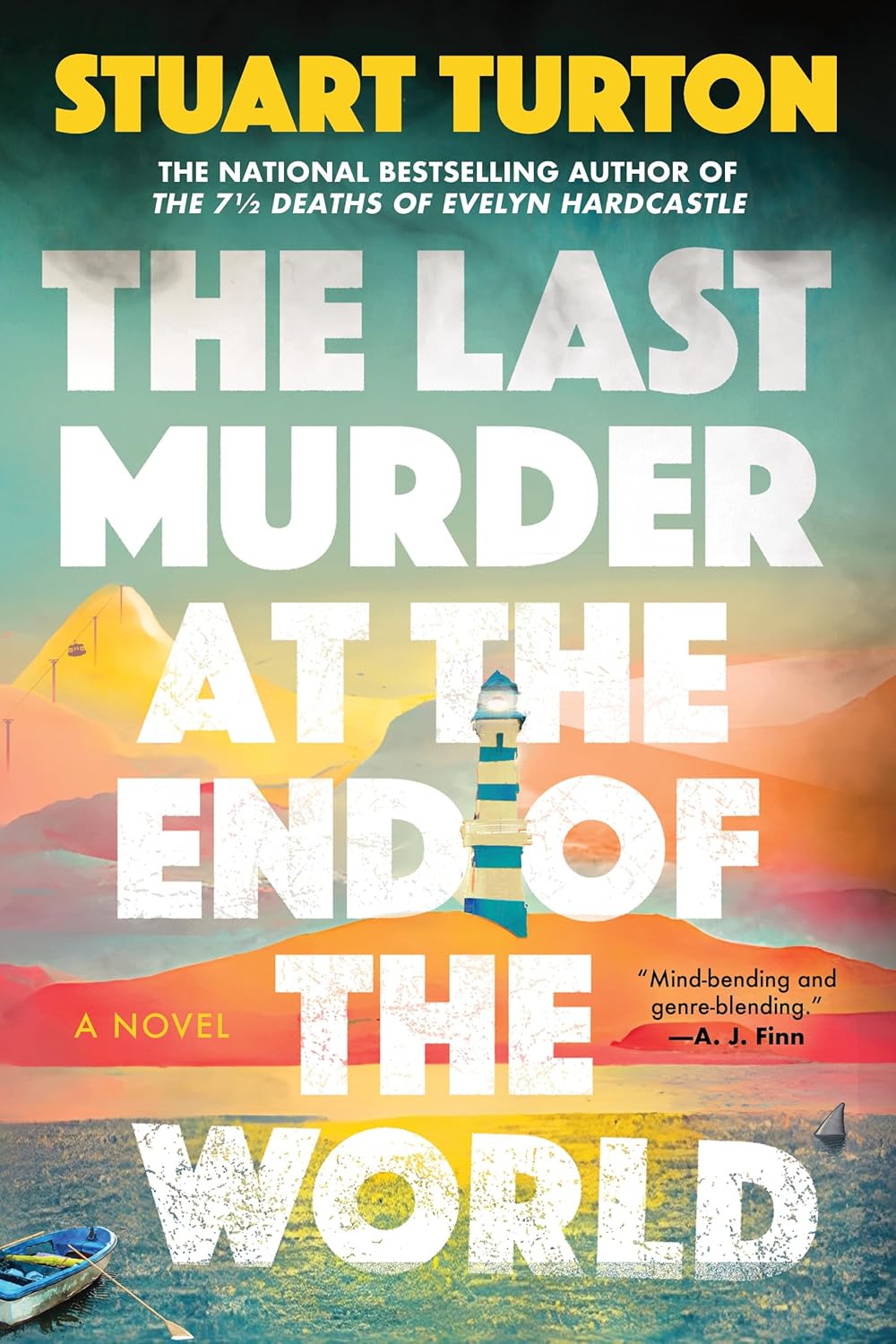
The Last Murder at the End of the World

In The Last Murder at the End of the World, Stuart Turton blends post-apocalyptic survival with locked-room mystery—resulting in a cerebral, genre-defying novel that’s equal parts science fiction and whodunit. If The 7½ Deaths of Evelyn Hardcastle left you spinning (in a good way), prepare for another wild ride.

The Last Murder at the End of the World

by Stuart Turton

A murder mystery. A dying world. And one final truth left to uncover.

The Last Murder at the End of the World by Stuart Turton

Title:

Author:

Genre:

Page Count:

Release Date:

Enjoyment:
Writing:
Characters:
Plot:
Readability:
Setting:

The Last Murder at the End of the World

Stuart Turton

Post-Apocalyptic, Sci-Fi, Mystery

343

May 21, 2024

♥ ♥ ♥ ♥
♥ ♥ ♥ ♥
♥ ♥ ♥ ♥
♥ ♥ ♥ ♥
♥ ♥ ♥
♥ ♥ ♥ ♥

The Quick Look

In The Last Murder at the End of the World, Stuart Turton blends post-apocalyptic survival with locked-room mystery—resulting in a cerebral, genre-defying novel that’s equal parts science fiction and whodunit. If The 7½ Deaths of Evelyn Hardcastle left you spinning (in a good way), prepare for another wild ride.

  • Themes: Dystopia, morality, memory, survival, collective guilt
  • Read if you like: Agatha Christie in space, An Absolutely Remarkable Thing, Children of Time, existential sci-fi
  • Best for: Readers who love twisty mysteries and don’t mind working for the payoff
  • Skip if: You want quick answers, linear timelines, or traditional pacing

The Full Review

PLOT & PACING
The world is gone. What remains is a tiny, isolated island governed by a collective intelligence—and bound by rules designed to protect humanity from itself. When the only person capable of maintaining the status quo is murdered, the system begins to collapse.
Turton unspools the mystery with deliberate slowness, building tension through claustrophobia, paranoia, and the erosion of truth. It’s not fast-paced, but the suspense simmers. And if you think you know where it’s going—you don’t.

CHARACTER & VOICE
The characters here are harder to connect with than in Evelyn Hardcastle, but they still shine. Each one is shaped by trauma, guilt, and the pressure of perfection in a society built on suppression. The protagonist’s voice wrestles with memory and morality—how much of the past should be remembered, and at what cost?

STYLE & ATMOSPHERE
Turton’s writing is thoughtful and layered, leaning into mood and slow revelation rather than flash. The atmosphere is eerie and contained—like a pressure cooker ready to blow. Though the sci-fi elements are prominent, it still feels grounded in human emotion, making the strange setting feel surprisingly relatable.

 THEMES & DEPTH
This isn’t just a mystery—it’s a study in control, violence, and moral erosion. What does it mean to protect humanity from itself? Is forgetting the past the only way to secure the future? Turton digs into these questions with chilling clarity, but never sacrifices mystery for message.

PERSONAL TAKE
Drew: I found the pacing slow and the world so layered it was sometimes hard to fully visualize—but the ideas stuck with me. Turton doesn’t spoon-feed anything.
Jenni: It was weird, but weird in a good way. The kind of weird that keeps you thinking long after you finish.
Together, we agreed: this book is frustrating and brilliant, messy and beautiful. And absolutely worth reading.

The Final Verdict

A strange, slow-burning mystery set in a world on the brink of collapse. It’s about memory, morality, and the stories we tell to survive. Weird, wild, and unforgettable.

"'Why doesn’t anybody question anything?' she asks her grandfather, focusing on him once again. 'They like being happy,' he says softly.'"
The Last Murder at the End of the World by Stuart Turton
The Last Murder at the End of the World
by Stuart Turton

Lula Dean’s Little Library of Banned Books

Kirsten Miller delivers a fiery, feel-good rebellion in Lula Dean’s Little Library of Banned Books—a novel that’s equal parts charming and unflinching. Set in a small Southern town, it tackles big issues like censorship, control, and the fear of change. If you’ve ever been told what to think or what not to read, this one’s for you.

Lula Dean's Little Library of Banned Books

by Kirsten Miller

"The more you know, the freer you are."

Lula Dean's Little Library of Banned Books by Kirsten Miller

Title:

Author:

Genre:

Page Count:

Release Date:

Enjoyment:
Writing:
Characters:
Plot:
Readability:
Setting:

Lula Dean’s Little Library of Banned Books

Kirsten Miller

Contemporary Fiction

292

June 18, 2024

♥ ♥ ♥ ♥ ♥
♥ ♥ ♥ ♥ ♥
♥ ♥ ♥ ♥ ♥
♥ ♥ ♥ ♥ ♥
♥ ♥ ♥ ♥ ♥
♥ ♥ ♥ ♥ ♥

The Quick Look

Kirsten Miller delivers a fiery, feel-good rebellion in Lula Dean’s Little Library of Banned Books—a novel that’s equal parts charming and unflinching. Set in a small Southern town, it tackles big issues like censorship, control, and the fear of change. If you’ve ever been told what to think or what not to read, this one’s for you.

  • Themes: Book banning, small-town politics, power and control, generational change, freedom of thought
  • Read if you like: Stories that celebrate resistance through literature
  • Best for: Readers who believe in the power of books, lovers of library settings, or anyone who’s ever found truth between the pages
  • Skip if: You prefer gritty realism over feel-good fiction, or want high-stakes action over character-driven drama

The Full Review

PLOT & PACING
At the heart of this story is a quiet rebellion—one book at a time. As banned titles disappear from schools and libraries, Lula Dean’s lending library in her front yard, initially stocked with The Southern Belle’s Guide to Etiquette and Our Confederate Heroes, becomes the epicenter of a literary revolution, as they’re replaced with Anne Frank’s Diary of a Young Girl and Toni Morrison’s Beloved. The plot moves with purpose, revealing how book banning isn’t just about books—it’s about controlling people, their ideas, and their futures. While the resolution may be tidier than real life, that’s part of the book’s hopeful magic.

CHARACTER & VOICE
The characters are instantly familiar—because you’ve met them before. This is an ensemble cast made up of familiar characters. They’re all meant to feel like your neighbors. Miller breathes authenticity into them all, from Lula Dean herself to the people fighting her. Their voices crackle with truth, tension, and wit.

STYLE & ATMOSPHERE
Miller’s style walks a perfect line: clever but not pretentious, heartfelt without being sentimental. The Southern setting is vivid—dusty sidewalks, whisper campaigns, and that stifling sense that everyone knows your business. It’s the kind of place where books can spark rebellion.

THEMES & DEPTH
This book is a rallying cry disguised as fiction. It explores how banning books is never really about morality—it’s about control. It shows how fear can warp tradition and how stories can tear down walls. And it’s a timely reminder that access to knowledge is the cornerstone of a free society.

PERSONAL TAKE
I loved this book. Miller’s depiction of a Southern town hit close to home, and the message couldn’t be more urgent in today’s political climate. While the ending may have wrapped up too neatly, that’s part of the charm—it’s a wishful imagining of what could happen if enough people just stood up and said, “No more.” This felt like required reading for right now.

The Final Verdict

A bold, timely, and ultimately hopeful reminder that stories matter—and the freedom to read them matters even more.

"What matters is never letting people tell you what to think. Don't let them convince you that one way is right and another way wrong. Gather as much knowledge as you can because information is power. And choosing how to use it is freedom. The more you know, the freer you are."
Lula Dean's Little Library of Banned Books by Kirsten Miller
Lula Dean's Little Library of Banned Books
by Kirsten Miller

The Bright Sword

Lev Grossman’s The Bright Sword isn’t a triumphant tale of knights in shining armor. It’s a meditation on what happens after the myth fades—after the battles are lost, the Round Table is broken, and hope feels like a relic. It’s thoughtful, tender, and occasionally tedious. But if you stick with it, there’s magic to be found in the quiet places.

The Bright Sword

by Lev Grossman

What comes after the legend ends?

The Bright Sword by Lev Grossman

Title:

Author:

Genre:

Page Count:

Release Date:

Enjoyment:
Writing:
Characters:
Plot:
Readability:
Setting:

The Bright Sword

Lev Grossman

Fantasy

688

July 16, 2024

♥ ♥ ♥
♥ ♥ ♥ ♥
♥ ♥ ♥ ♥ ♥
♥ ♥ ♥ ♥
♥ ♥ ♥
♥ ♥ ♥ ♥ ♥

The Quick Look

Lev Grossman’s The Bright Sword isn’t a triumphant tale of knights in shining armor. It’s a meditation on what happens after the myth fades—after the battles are lost, the Round Table is broken, and hope feels like a relic. It’s thoughtful, tender, and occasionally tedious. But if you stick with it, there’s magic to be found in the quiet places.

  • Themes: Legacy, grief, the burden of myth, friendship, moral failure, rediscovering purpose.
  • Read if you like: The Once and Future King, quiet character studies, post-epic melancholy, or wandering knights searching for meaning.
  • Best for: Readers who don’t mind a slow burn in exchange for emotional nuance.
  • Skip if: You want swordfights every chapter or fast pacing—you won’t get either here.

The Full Review

PLOT & PACING
Set in the shadow of Camelot’s collapse, The Bright Sword follows a ragtag group of knights and outcasts who cling to Arthur’s memory while trying to define what goodness looks like without him. The quest structure gives the novel shape, but the momentum often drifts—especially in the middle. Some scenes feel more like philosophical musings than plot advancement. Still, the final third ties it together in a way that rewards your patience.

CHARACTER & VOICE
This is where the book shines. From the stubbornly idealistic Collum to the fiercely loyal Liesel, Grossman fills his cast with layered, flawed, and deeply human characters. They don’t leap off the page with theatrics—they grow on you, slowly, like moss on an old stone wall. You root for them not because they’re heroes, but because they’re trying.

STYLE & ATMOSPHERE
Grossman blends formal fantasy tone with introspective, almost literary flourishes. The prose can be dense, especially during internal monologues, but it suits the somber atmosphere. This isn’t a story of courtly glamour—it’s windswept hills, broken swords, fading ideals. The setting feels lived-in, scarred by war and loss.

THEMES & DEPTH
Beneath the armor and quests, this is a story about how we carry on when our idols fall. It asks: what does it mean to do good when the golden age is gone? How do we pick up the pieces of legends—and should we? Grossman confronts the disillusionment of inherited ideals with empathy, crafting a story that’s as much about healing as it is about heroism.

PERSONAL TAKE
This wasn’t an easy read. I found myself setting it down often. The pacing lagged. But I’m glad I stuck with it. It’s not a book you rush—it’s one you reflect on. I loved following the “leftovers” of Arthur’s kingdom as they searched for miracles, connection, and purpose. If The Bright Sword is a quest, it’s not for glory—it’s for meaning.

The Final Verdict

A wildly entertaining, richly imagined adventure that sails far beyond the tropes. Amina al-Sirafi is the pirate queen fantasy needed—and deserved.

“A lot of heroes hate themselves, it’s why they work so hard to make everybody love them.”
The Bright Sword by Lev Grossman
The Bright Sword
by Lev Grossman