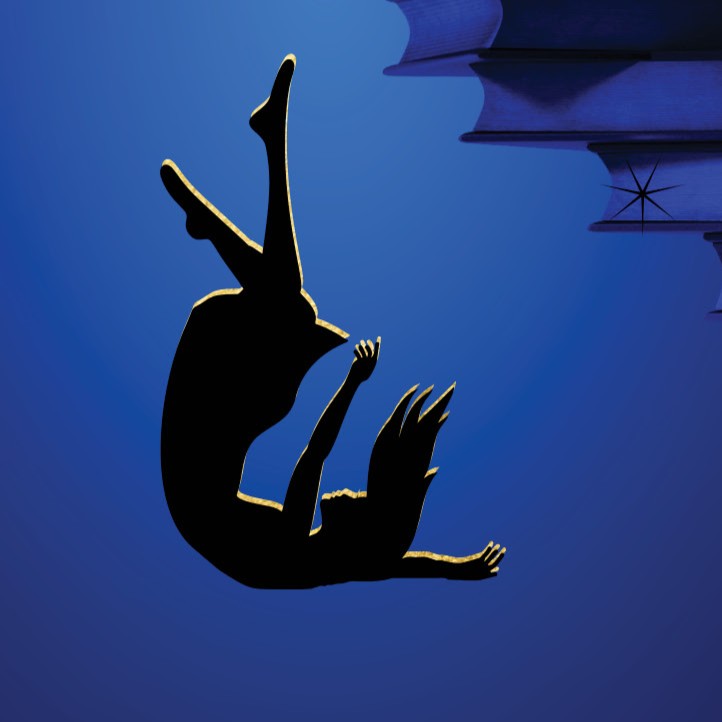
Andromeda

Set inside the venerable Swedish publishing house Rydéns, Andromeda traces the intertwined perspectives of Sofie, a young intern, and Gunnar, the editor-in-chief who takes her under his wing. Therese Bohman delivers a compact, observant novel about the delicate dance between tradition and modernity, ambition and nostalgia, and the charged space between platonic respect and something more ambiguous.

Andromeda

by Therese Bohman, Translated by Marlaine Delargy

In Stockholm’s literary halls, the lines between mentorship and desire blur in quiet, unsettling ways.

The Quick Look

Set inside the venerable Swedish publishing house Rydéns, Andromeda traces the intertwined perspectives of Sofie, a young intern, and Gunnar, the editor-in-chief who takes her under his wing. Therese Bohman delivers a compact, observant novel about the delicate dance between tradition and modernity, ambition and nostalgia, and the charged space between platonic respect and something more ambiguous.

  • Release Date: Jan. 14, 2025
  • Pages: 180
  • Genre: Literary Fiction
  • Themes: Mentorship, power dynamics, publishing life, tradition vs. change, gender in the workplace
  • Read if you like: Office politics with literary flair, character-driven stories in dual POV, morally gray relationships
  • Best for: Readers who enjoy subtle emotional tension and behind-the-scenes glimpses into the book world
  • Skip if: You want a high-stakes plot or neatly defined relationships

Enjoyment:
Writing:
Characters:
Plot:
Readability:
Setting:

♥ ♥ ♥
♥ ♥ ♥ ♥
♥ ♥ ♥ ♥
♥ ♥ ♥
♥ ♥ ♥ ♥
♥ ♥ ♥

Enjoyment:   ♥ ♥ ♥
Writing:         ♥ ♥ ♥ ♥
Characters:   ♥ ♥ ♥ ♥
Plot:                ♥ ♥ ♥
Readability:   ♥ ♥ ♥ ♥ 
Setting:          ♥ ♥ ♥

The Full Review

PLOT & PACING
The novel unfolds in two halves: the first told through Sofie’s eyes as she navigates her internship under Gunnar’s close attention, the second from Gunnar’s perspective as we revisit familiar moments with fresh insight. The plot is light on action, relying instead on shifting perceptions, quiet office scenes, and the slow build of trust and influence. It’s more a character study than a story with forward momentum, but the mirrored structure gives it a satisfying symmetry.

CHARACTER & VOICE
Sofie begins tentative and self-conscious, her confidence shaped—and at times dependent—on Gunnar’s approval. Gunnar, meanwhile, is a figure caught between pride in his past achievements and disillusionment with the industry’s future. Seeing each character through the other’s eyes adds texture, but also reveals the quiet manipulations and mutual needs underpinning their bond. Neither is wholly likable or unlikable, which keeps the relationship compelling.

STYLE & ATMOSPHERE
Bohman’s prose (and Delargy’s translation) is clean, restrained, and observational. The publishing house feels both rarified and slightly claustrophobic, a space where manuscripts are weighed like rare artifacts and office politics simmer just under the surface. The tone is meditative, with an undercurrent of melancholy that suits the theme of an industry wrestling with change.

THEMES & DEPTH
At its heart, Andromeda examines the unspoken contracts of mentorship—what’s freely given, what’s taken, and the lingering question of who benefits more. It also reflects on the tug-of-war between literary tradition and modern demands, and how gender and power intersect in subtle, often invisible ways. The romance-adjacent tension is never fully resolved, and that ambiguity feels true to life.

PERSONAL TAKE
As someone interested in stories about the inner workings of publishing, I found the details authentic without veering into either idealism or cynicism. I appreciated the structural cleverness of the dual POV, though the understated plot left me wishing for a few more turns of the screw. It’s a quick, thoughtful read that lingers less for what happens than for how it feels to be in that world.

The Final Verdict

A slender, elegant novel that invites you into the gray spaces of mentorship, ambition, and literary life. Andromeda isn’t about sweeping drama—it’s about the quiet ways we influence and are influenced by those around us, for better or worse.

“No one, absolutely no one is irreplaceable, which is a depressing realization. A workplace is like a microcosm of nature, ruled by the laws of evolution: As one species dies out and the whole system is destabilized, an efficient mechanism kicks in to ensure the survival of everyone else, and before long there is a new system, a new balance. Nature's sole purpose is survival, and the same is true of capitalism: A company is like a self-generating animal, a starfish that grows a new arm if a new arm is needed.”
Andromeda by Therese Bohman

Andromeda
by Therese Bohman
Check Out Our Recent Reviews!

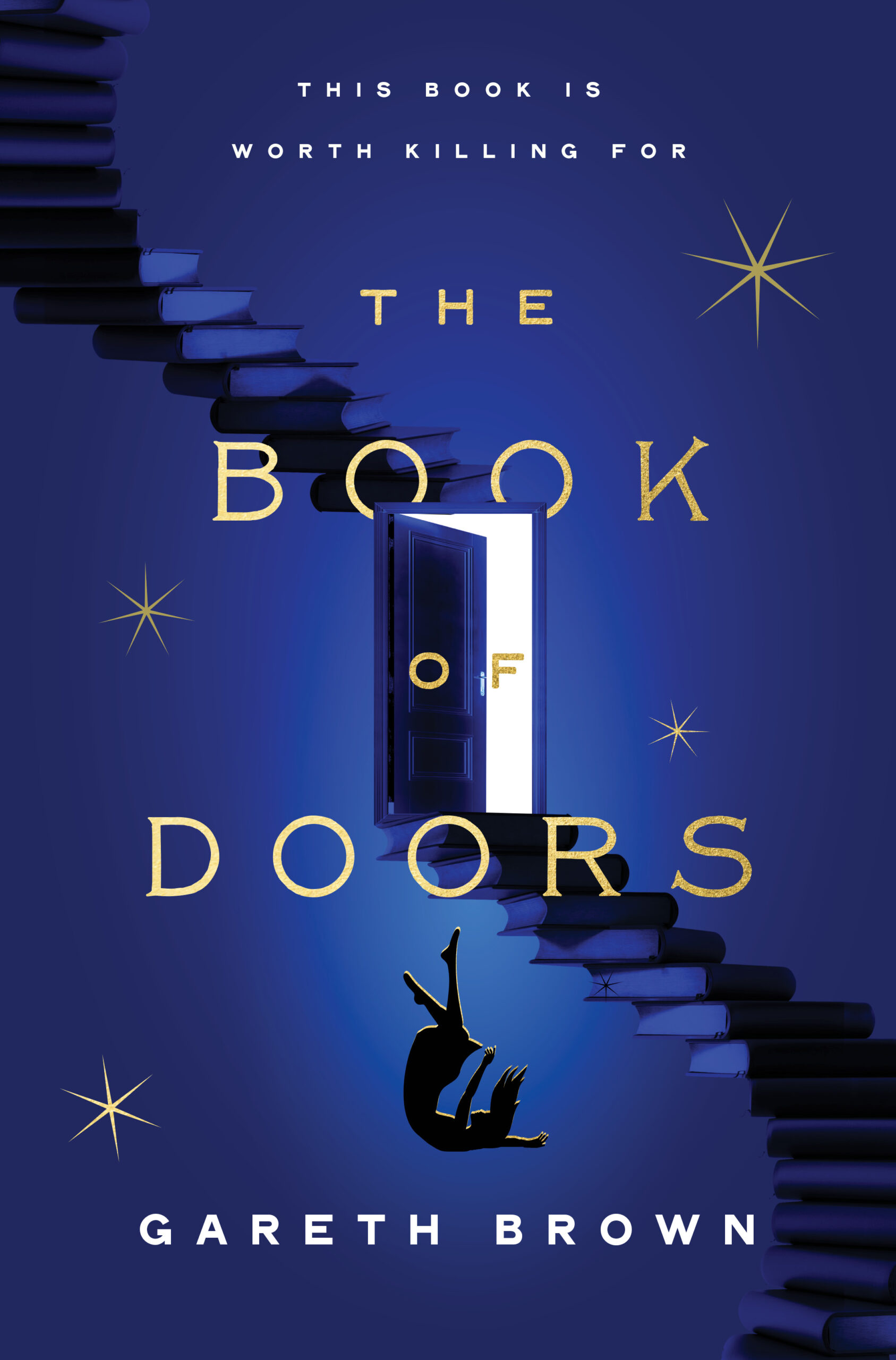
The Book of Doors

What if you could open a door and step into another life—would you risk everything to find out what’s on the other side?

The Book of Doors

by Gareth Brown

Reads like Narnia met Fight Club in a library and made a questionable life choice.

The Book of Doors

Title:

Author:

Genre:

Page Count:

Release Date:

Enjoyment:
Writing:
Characters:
Plot:
Readability:
Setting:

The Book of Doors

Gareth Brown 

Fantasy / Speculative Fiction

400

February 13, 2024

♥ ♥ ♥ ♥ ♥
♥ ♥ ♥ ♥ 
♥ ♥ ♥ ♥ 
♥ ♥ ♥ ♥ ♥
♥ ♥ ♥ ♥ ♥
♥ ♥ ♥ ♥ 

The Quick Look

What if you could open a door and step into another life—would you risk everything to find out what’s on the other side?

  • Themes: Choice, Fate, the Power of Stories, Alternate Realities
  • Read If You Like
    • Doctor Who
    • The Midnight Library by Matt Haig
    • portal fantasies
    • books about books
  • Best For: Fans of magical realism, multiverse stories, and books that feel like treasure hunts
  • Skip If: You hate nonlinear narratives or need everything fully explained

The Full Review

PLOT & PACING
The Book of Doors is ingeniously crafted, spinning a story that’s as twisty as it is absorbing. It starts grounded but quickly unfolds into a mind-bending, multi-reality adventure. The plot doesn’t just hook you—it grabs you by the collar and yanks you through a series of doors you didn’t even know existed. Think: big ball of wibbly-wobbly, timey-wimey stuff—but with books.

CHARACTER & VOICE
The cast is compelling, with main characters who feel both ordinary and extraordinary. There’s a quiet vulnerability in the protagonist’s journey that keeps you emotionally tethered, even as the story veers into the surreal.

The real MVP? The mysterious and slightly untrustworthy librarian figure (you’ll know them when you meet them).

STYLE & ATMOSPHERE
Brown’s prose walks the line between clean and lyrical—never overwrought, but richly atmospheric. He builds a world that feels both familiar and uncanny, like walking through your favorite bookstore only to find a trapdoor to a parallel universe.

THEMES & DEPTH
At its heart, this is a story about choice, consequence, and the stories we tell ourselves to make sense of chaos. It raises deep questions about identity and destiny, without ever slowing the pace for long-winded reflection.

PERSONAL TAKE
I chose this book based solely on its cover. I didn’t even read the summary beforehand, so I went in completely blind!

I’m happy to report that I wasn’t disappointed. The concept is brilliant, the execution tight, and the emotional resonance lingered long after I closed the cover. It’s a book lover’s book—clever, surprising, and full of wonder. I’m not sure I’ll ever read another book quite like it. 

The Final Verdict

A clever, twisty portal fantasy that feels like Doctor Who crashed into The Midnight Library — with a library card and a sense of existential awe.

"I am firmly of the view that more people in this world could use their brains more often, but my dear, if anyone needs to think less about things, it is you."
Mr. Webber, to Cassie
The Book of Doors

Spoilers below...

Desperate to know more about the power these books hold?

The Book of Doors

POWER
Allows the reader to open any door and travel instantly to another place—even across realities or timelines. 

NOTES

This is the central magical artifact. Its powers are vast and mysterious, and it doesn’t come with an instruction manual.

POWER
Allows the reader to manipulate or control shadows—both literal and metaphorical. This includes cloaking, concealment, and possibly influencing people through their emotional or psychic “shadows” (fears, regrets, secrets).

NOTES
This book is not to be trifled with. It seems to have a will of its own and is strongly associated with deception, manipulation, and hidden agendas. Those who use it often find themselves changed—or consumed—by the darkness it touches. It’s unclear whether the book reveals shadows or creates them… and that’s kind of the problem.

POWER
Can reveal, alter, or erase memories.

NOTES
This one raises serious ethical questions—memories shape identity, after all.

POWER
Bends probability in the reader’s favor. With it, things just happen to go your way—dice rolls, coin tosses, chance encounters, narrowly avoided disasters. Luck becomes an active force, subtly shaping events around you.


NOTES
At first, it seems harmless—who wouldn’t want a little extra luck? But over time, the book’s influence can distort reality. The line between earned success and magical cheating gets blurry. Users may become reckless or overconfident, forgetting that luck always has limits… and consequences. Also, there’s the nagging question: if you win because the book helped, did you really win?

POWER 
Grants the ability to ease emotional pain and bring comfort, joy, and peace to others—offering what they need most on a spiritual or emotional level.

NOTES
Unlike the more overt or dangerous books, the Book of Joy’s magic is gentle and restorative. It’s tied to healing, kindness, and quiet transformation rather than control or spectacle.

POWER
Restores health, both physical and emotional. It can mend wounds, cure illness, and even ease grief or trauma.

NOTES
Gentler than most, but still complex. Healing isn’t always straightforward—this book may require emotional vulnerability or cost the reader something in return. It’s often misunderstood as “safe,” but true healing can be painful before it’s soothing. Some say the book chooses who and how to heal, regardless of the reader’s intention.

POWER
Forces honesty or reveals hidden truths.

NOTES
Invaluable—and potentially brutal.

POWER
Manipulates time—pauses, rewinds, accelerates, or loops it.

NOTES

Extremely unstable. Small changes can ripple into chaos. Possibly one of the rarest and most guarded books in the collection.

The Book of Pain

POWER
Inflicts physical or emotional pain on others—or possibly amplifies their existing pain. Can also force the reader to relive their own trauma.

NOTES
Not just a weapon, but a psychological tool. In the wrong hands (which is basically any hands), it becomes a form of torture. Even reading from it feels like an emotional violation. Definitely not meant for casual use.

POWER
Manipulates the will of others—thoughts, emotions, decisions. Essentially a magical form of mind control.

NOTES
One of the most ethically troubling books. Using it robs people of agency, even if the intentions seem good. A book like this doesn’t just tempt—it corrupts. The longer it’s used, the harder it is to stop.

POWER
Creates convincing illusions—sights, sounds, even sensations. Can disguise people, objects, or entire environments.

NOTES
Reality becomes bendable, which makes this book perfect for deception, misdirection, or emotional manipulation. It’s flashy, but also dangerous—it’s easy to lose track of what’s real, even for the reader.

POWER
Induces overwhelming hopelessness or emotional collapse in others. Can drain joy, motivation, or the will to go on.

NOTES
Dark, subtle, and horrifying. It doesn’t attack the body—it erodes the soul. Some readers report feeling its effects just by being near it. Possibly the most dangerous of all, because its effects can’t always be seen until it’s too late.

POWER 
Can put people to sleep instantly, or manipulate their dreams.

NOTES
Subtle and dangerous in the wrong hands—use with caution.

POWER
Lets the reader see things not visible to the naked eye—hidden truths, magical auras, or even glimpses into other worlds.

NOTES
Might show more than you want to see.

POWER
Possibly allows communication with the dead—or worse, resurrection.

NOTES
Rare, feared, and possibly forbidden.

POWER
Can trap or bind people, creatures, or even concepts.

NOTES
Dangerous in the wrong hands; used for control or imprisonment.

The Book of Matter

POWER
Grants the ability to manipulate physical objects and materials—altering, reshaping, or moving matter at will.

NOTES
This is one of the more tangible and potentially dangerous books. Its power can be used for creation or destruction, depending on the user’s intent. It represents control over the physical world and is especially potent when combined with intelligence or ambition. Unlike the more emotional or symbolic books, the Book of Matter is rooted in raw, physical transformation.

POWER
Self-explanatory—summons and controls fire.

NOTES
Highly destructive. Best not left lying around.

POWER
Allows the user to manipulate light—both literally (illumination, visibility) and metaphorically (truth, clarity, perception). It can reveal what is hidden and dispel illusions or darkness, both physical and emotional.

NOTES
The Book of Light is deeply symbolic. Its magic is tied to knowledge, revelation, and hope. It’s less about raw power and more about insight—helping people see things clearly, whether that’s a physical path forward or a deeper understanding of a situation or themselves.

POWER
Grants the user extraordinary speed—both physical quickness and heightened reflexes—allowing them to move, think, and react faster than normal human limits.

NOTES
Its effects go beyond just running fast; it enhances agility, combat ability, and possibly even mental processing. It’s a tool of precision and action, often suited for those in high-risk or physically demanding situations. Unlike some of the other books, its magic is kinetic and outwardly impressive, often used in moments of urgency or danger.

POWER
Creates or controls mist and fog—literal or metaphorical. It can obscure sight, sound, and even memory or time. Some versions suggest it can veil entire places or moments from perception.

NOTES
This book is all about concealment, confusion, and transition. It’s used to hide, escape, or blur reality. Those caught in its mist may lose their way—physically or mentally. There’s a dreamlike, almost liminal quality to its effects, making it both beautiful and unsettling. Readers report that time feels strange when the book is active… as if reality itself gets a little foggy.

POWER
Controls water and weather.

NOTES
More than just storms; some versions suggest emotional or symbolic resonance.

POWER
Allows the reader to change their appearance—or adopt someone else’s entirely. This includes physical features, voice, and possibly even mannerisms or surface-level memories.

NOTES
It’s the ultimate disguise, but also a fast track to an identity crisis. Prolonged use can blur the line between self and façade. Some users report forgetting who they really are underneath the mask. There’s a seductive quality to this book—it lets you become anyone, which makes it a favorite of spies, thieves… and liars.