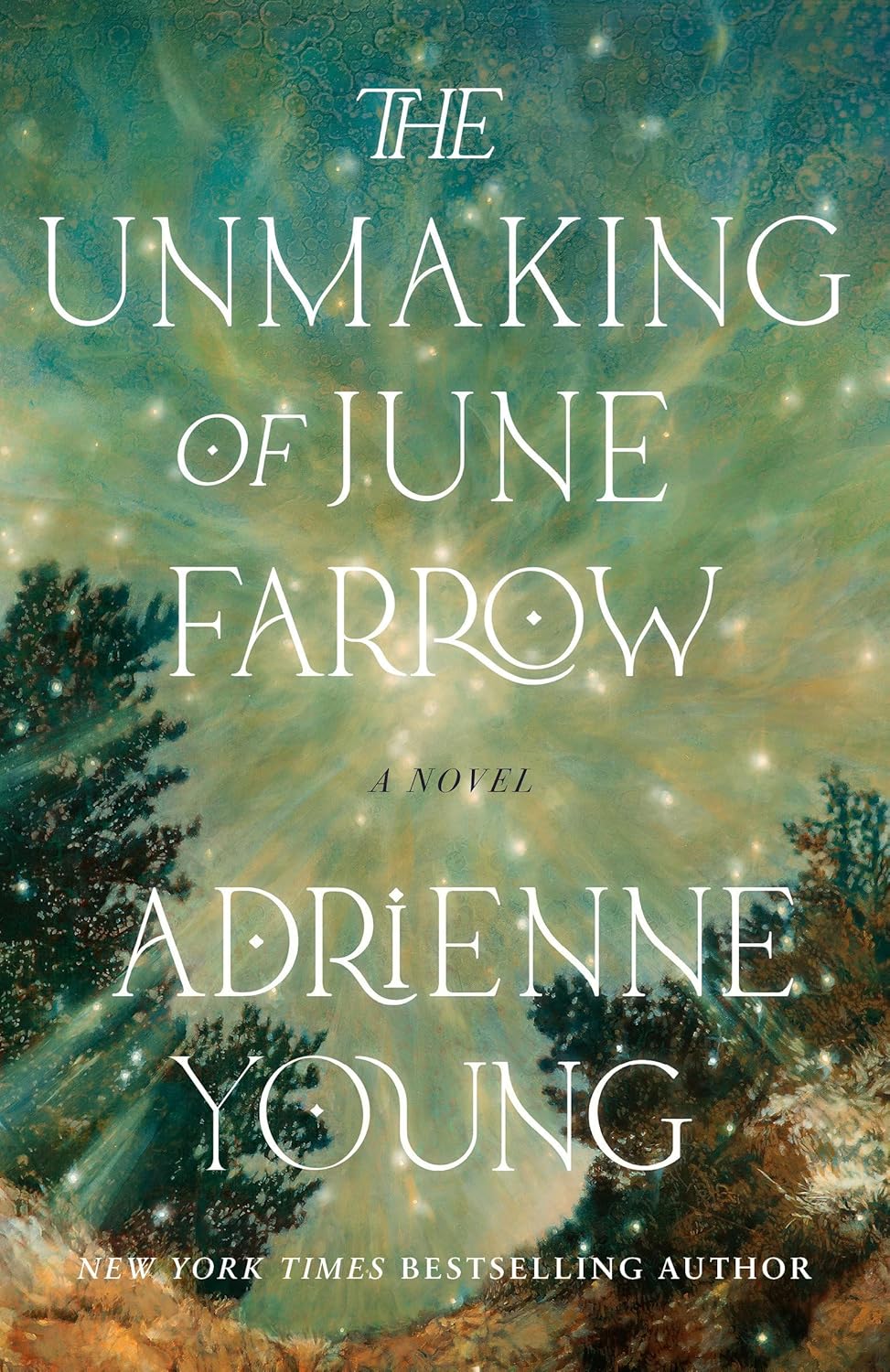
The Unmaking of June Farrow

There are stories that entertain, and then there are stories that rearrange you. The Unmaking of June Farrow is the latter. It delivers a mesmerizing rural fantasy that proves love, legacy, and identity can defy even the laws of time.

The Unmaking of June Farrow

by Adrienne Young

Curses, Time Travel, & Enduring Love

The Unmaking of June Farrow

Title:

Author:

Genre:

Page Count:

Release Date:

Enjoyment:
Writing:
Characters:
Plot:
Readability:
Setting:

The Unmaking of June Farrow

Adrienne Young

Magical Realism; Time Travel

315

October 17, 2023

♥ ♥ ♥ ♥ ♥
♥ ♥ ♥ ♥ ♥
♥ ♥ ♥ ♥ ♥
♥ ♥ ♥ ♥ ♥
♥ ♥ ♥ ♥ ♥
♥ ♥ ♥ ♥ ♥

The Quick Look

There are stories that entertain, and then there are stories that rearrange you. The Unmaking of June Farrow is the latter. It delivers a mesmerizing rural fantasy that proves love, legacy, and identity can defy even the laws of time. 

  • Themes: Generational curses, Time as a dimension of love, Breaking cycles, Memory, Destiny
  • Read If You Like: The Invisible Life of Addie LaRue, The Time Traveler’s Wife, or anything that whispers “love is stronger than time.”
  • Best for: Anyone craving a rich story about time, memory, and the power of love.
  • Skip if: You prefer linear narratives or strict realism.

The Full Review

PLOT & PACING:
From the start, there’s a gripping, slow-burn mystery: Why do the Farrow women always go mad? What really happened to June’s mother? The answers unfurl steadily, with layer after layer peeling back to reveal a powerful story of resilience and choice. The time travel is handled elegantly—never gimmicky, always purposeful.

CHARACTER & VOICE:
June Farrow is unforgettable. She’s smart, determined, full of quiet longing and fierce love. Her journey through confusion, loss, and ultimately clarity makes her one of the most compelling protagonists in recent memory. Every supporting character—from the townsfolk of Jasper to the figures in alternate timelines—feels thoughtfully drawn, rooted in emotional realism.

STYLE & ATMOSPHERE:
Adrienne Young’s prose is lyrical but grounded. There’s a softness to the way she describes June’s world, even as it bends and reshapes through time. The North Carolina setting is rich and immersive, anchoring the magical elements with a sense of real, lived-in place.

THEMES & DEPTH:
At its heart, this is a novel about the choices we make and the legacies we carry. It explores how love can be both wound and balm, curse and cure. Young writes with incredible tenderness about grief, inheritance, identity, and what it means to break free of the past without losing the good in it.

PERSONAL TAKE:
Like Addie LaRue, June Farrow snuck up on me and absolutely wrecked me—in the best way. The twisty, time-bending plot hooked me, but it’s the emotional resonance and thematic weight that’ll stay with me. I finished the last page and just sat with it for a while. This is one I’ll be recommending to everyone. PLUS the book cover will look GOREGOUS on your shelf.

The Final Verdict

Elegant, haunting, and full of heart, The Unmaking of June Farrow is a rare gem—equal parts page-turner and soul-searcher. It’s not just a good book—it’s a memorable one.
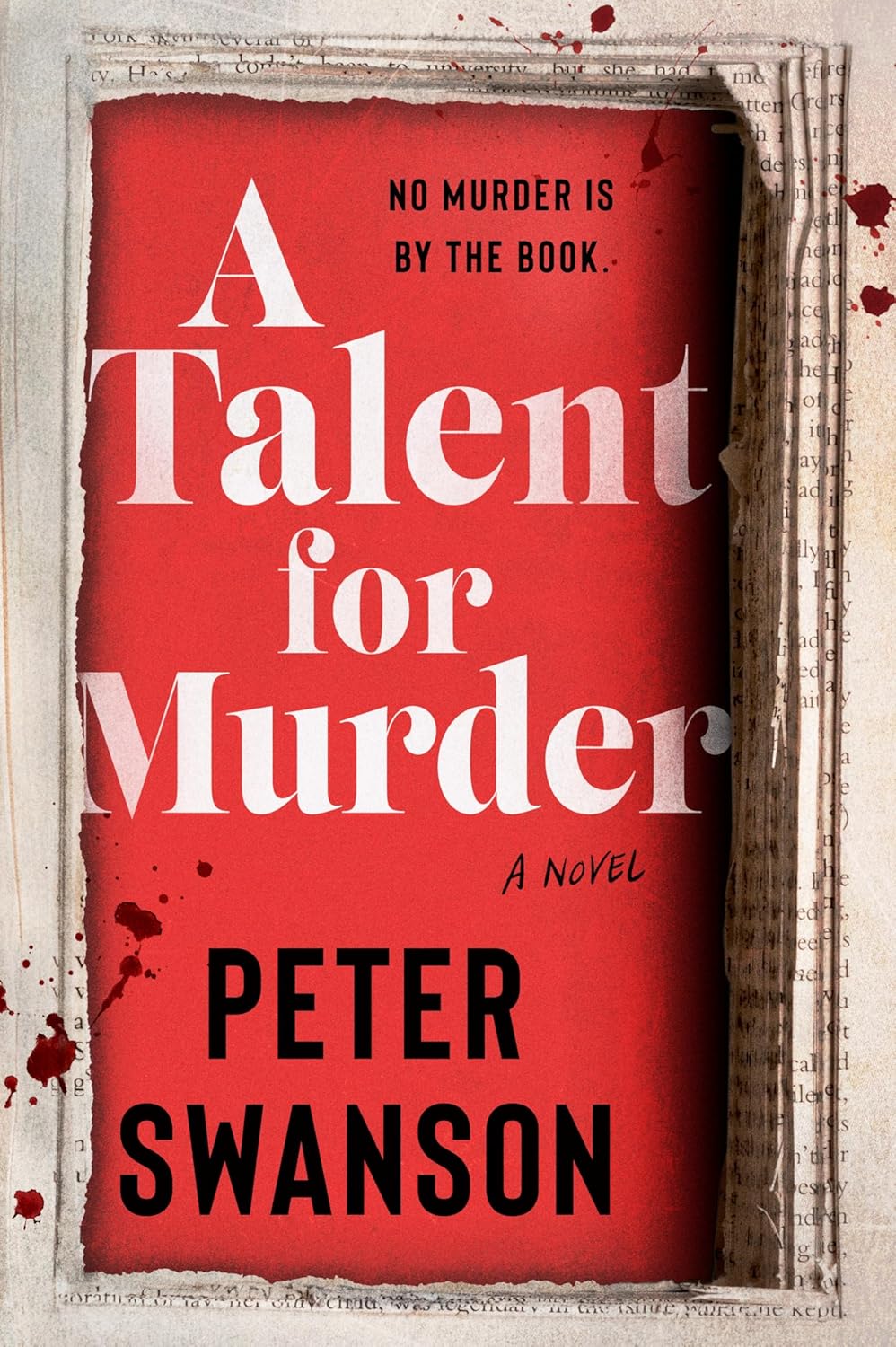
A Talent for Murder

In a genre that thrives on tension, twists, and the unsettling thrill of not knowing who to trust, A Talent for Murder offers the opposite: all the answers served up halfway through—and not enough intrigue to keep the rest hot.

A Talent for Murder

by Peter Swanson

A Thrill That Fizzles Far Too Soon

A Talent for Murder by Peter Swanson

Title:
Series:


Author:

Genre:

Page Count:

Release Date:

Enjoyment:
Writing:
Characters:
Plot:
Readability:
Setting:

A Talent for Murder
Henry Kimball/Lily Kintner, book 3

Peter Swanson

Crime; Thriller

255

June 11, 2024

♥ ♥
♥ ♥ ♥
♥ ♥ ♥
♥ ♥
♥ ♥ ♥ ♥
♥ ♥

The Quick Look

In a genre that thrives on tension, twists, and the unsettling thrill of not knowing who to trust, A Talent for Murder offers the opposite: all the answers served up halfway through—and not enough intrigue to keep the rest hot. 

  • Themes: Manipulation, Legacy of Violence, Power Dynamics, Justice vs Revenge
  • Read If You Like: Character-driven thrillers with morally gray leads (and if you’ve read the first two in this series) 
  • Best for: Series loyalists and readers who like their thrillers low on twists and high on character consistency.
  • Skip if: You’re in it for suspense, surprises, or plot complexity.

The Full Review

PLOT & PACING:
This third installment in the Henry Kimball/Lily Kintner series tries to walk the line between cerebral thriller and procedural puzzle—but the tension fizzles out fast. The twist? There is no twist. By the midpoint, all the cards are on the table, and what could’ve been a gripping game of cat-and-mouse becomes a predictable walk to the finish.

CHARACTERS & VOICE:
The return of Lily Kintner and Henry Kimball may thrill longtime fans, but for newcomers, there’s not much to hold onto. The characters are intriguing, but largely underused—particularly Lily, who doesn’t really get to flex her moral ambiguity until well past the point of caring.

STYLE & ATMOSPHERE:
Swanson’s prose is tight and accessible, and the book is readable in a single sitting. Unfortunately, clarity and quick pacing don’t compensate for a lack of suspense. The tone is clinical where it should be chilling, and the atmosphere never quite grips you.

THEMES & DEPTH:
The potential is there—a meditation on whether some people are simply wired for murder, and the psychological games they play—but the execution is surface-level. Instead of exploring those ideas deeply, the novel skims past them in favor of a straightforward resolution.

PERSONAL TAKE:
I came in hoping for a morally ambiguous, twisty thriller with unreliable narration and high-stakes deception. What I got felt like a script outline with a rushed second act. If you’re invested in these characters from earlier books, you might get more out of it. As a standalone read, it just didn’t work for me.

The Final Verdict

Despite solid writing and a familiar cast, A Talent for Murder lacks the tension and mystery that make thrillers satisfying. If you’re not already a fan of the series, there’s little here to hook you.

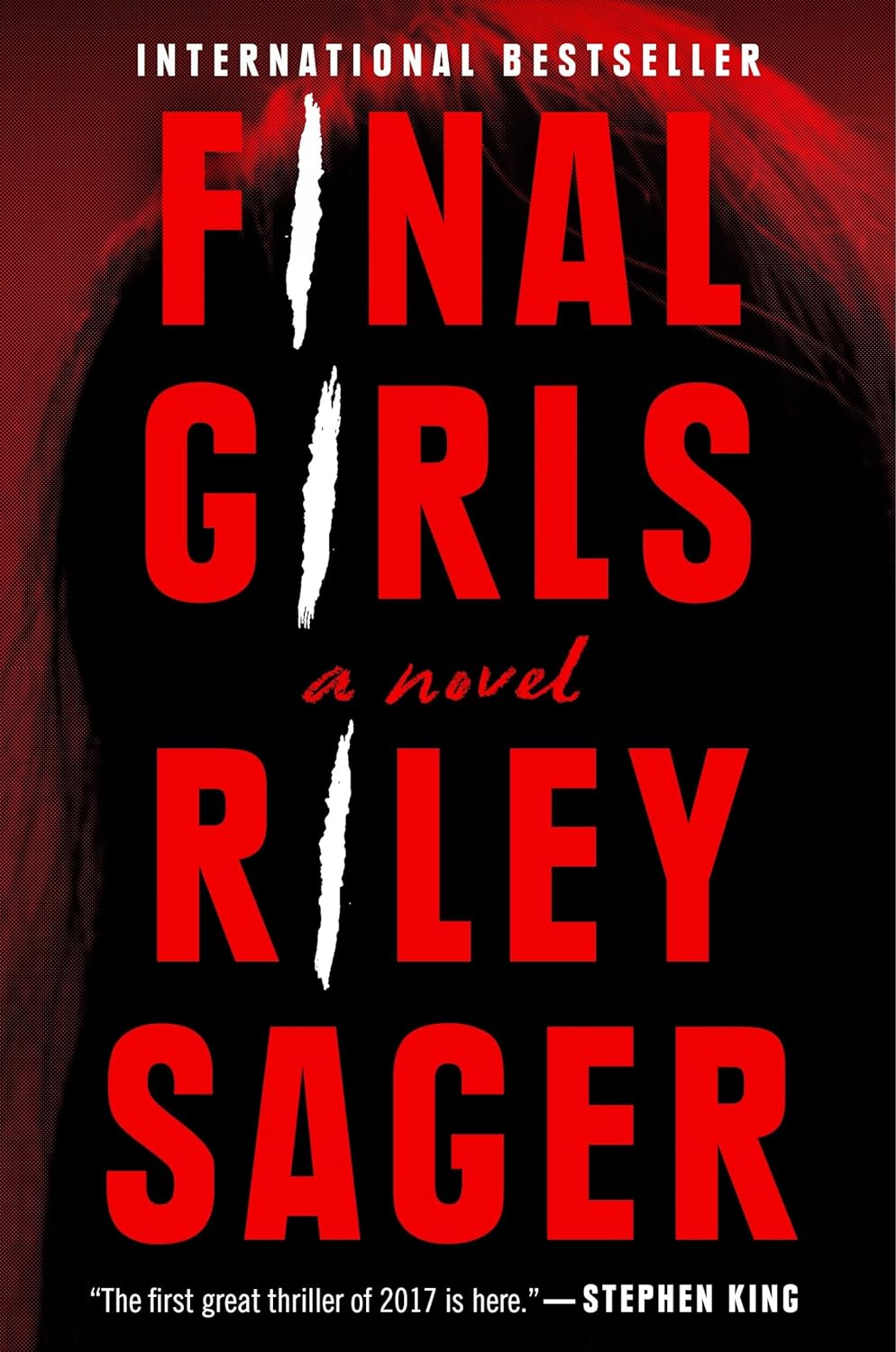
Final Girls

Like its spiritual ancestors I Know What You Did Last Summer or Scream, Riley Sager’s first thriller is a fun romp that’ll keep you entertained.

Final Girls

by Riley Sager

The Past Never Stays Dead

Final Girls by Riley Sager

Title:

Author:

Genre:

Page Count:

Release Date:

Enjoyment:
Writing:
Characters:
Plot:
Readability:
Setting:

Final Girls

Riley Sager

Thriller; Slasher

339

June 14, 2017

♥ ♥ ♥ ♥
♥ ♥ ♥
♥ ♥ ♥
♥ ♥ ♥
♥ ♥ ♥ ♥
♥ ♥

The Quick Look

A remote cabin. A blood-soaked survivor. A secret that won’t stay buried. Final Girls is a twisty, slasher-inspired thriller that asks: what happens after the horror movie ends? 

  • Themes: Survival, Trust, Trauma
  • Read If You Like: Scream, I Know What You Did Last Summer, or crime thrillers with a horror flavor.
  • Best for: Fans of slashers, twisty thrillers, or fast-paced, movie-ready reads.
  • Skip if: You’re looking for psychological depth or emotional resonance.

The Full Review

PLOT & PACING:
Quincy Carpenter is a “final girl”—the lone survivor of a brutal massacre. Years later, her quiet life is shattered when another final girl, Sam, shows up at her door. What unfolds is a series of tense confrontations, unraveling memories, and—you guessed it—a string of red herrings. The pacing is solid, though the mystery relies heavily on misdirection. If you’re someone who prides yourself on calling a twist, you may have a shot with this one.

CHARACTER & VOICE:
Quincy is an unreliable narrator, and much of the tension stems from not knowing whether you can trust her. Sam is chaotic and magnetic, but her true role in the story is a bit deeper than I had initially guessed. While none of the characters are deeply fleshed out, they serve their purpose in the plot—much like their horror movie counterparts.

STYLE & ATMOSPHERE:
Sager’s prose is accessible and brisk, perfectly suited to a popcorn thriller. There’s a slickness to the writing that feels cinematic—this book practically begs to be adapted for the screen. It doesn’t dig too deep, but it doesn’t really need to.

THEMES & DEPTH:
The book lightly explores themes of trauma, identity, and media sensationalism. What does it mean to survive something horrific? What are you allowed to forget? And how do you keep living when your trauma is public property? While it could’ve gone further into these questions, the framework is compelling.

PERSONAL TAKE:
This wasn’t my favorite thriller, but I had fun reading it. I predicted the twist early, but I was still surprised by some of the character reveals. While it’s not deep, it is entertaining.

The Final Verdict

A blood-spattered whodunnit that’s more Scream than Sharp Objects—quick, twisty, and best enjoyed with popcorn.

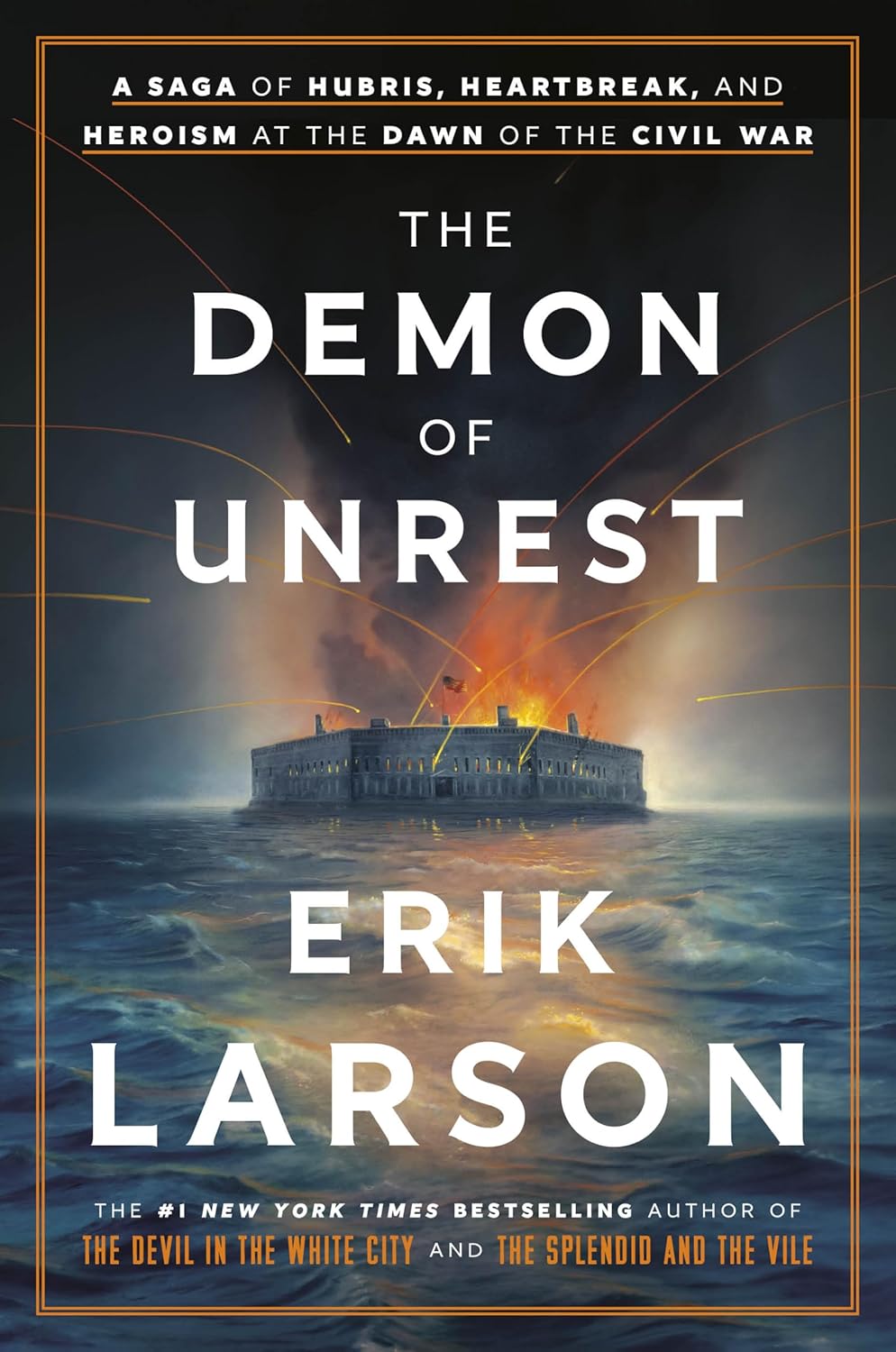
The Demon of Unrest

Like a pair of locomotives barreling toward one another—each whistling more desperately for the other to yield lest they cause an awesomely terrible disaster—I couldn’t look away.

The Demon of Unrest by Erik Larson

The Slow March Toward Civil War—and the Men Who Chose It

The Demon of Unrest by Erik Larson

Title:

Author:

Genre:

Page Count:

Release Date:

Enjoyment:
Writing:
Characters:
Plot:
Readability:
Setting:

The Demon of Unrest

Erik Larson

Non-Fiction; American History

491

April 30, 2024

♥ ♥
♥ ♥ ♥ ♥ ♥
♥ ♥ ♥ ♥ ♥
♥ ♥ ♥ ♥ ♥
♥ ♥ ♥
♥ ♥ ♥ ♥

The Quick Look

It starts quietly—rumors, correspondence, posturing—but it ends in cannon fire over Charleston Harbor. The Demon of Unrest chronicles the months leading up to the Civil War with gripping, unsettling clarity. It’s not an easy read—but it’s an essential one. 

  • Themes: Duty, Pride, National Division, Leadership, The Tension Before the Fall
  • Read If You Like: The Splendid and the Vile, 1776, or sobering accounts of conflict’s slow, inevitable descent.
  • Best for: History buffs, political thinkers, and anyone who wants to understand just how fragile a country’s unity can be.
  • Skip if: You’re looking for light reading or narrative-driven drama.

The Full Review

PLOT & PACING:
Though a work of nonfiction, The Demon of Unrest reads with the intensity of a political thriller—except we know the ending: war and nearly 750,000 American casualties. Larson zeroes in on the five months between Lincoln’s election and the first shots at Fort Sumter. It’s a slow build, but a deliberate one. Every letter, every refusal to compromise, every puffed-up speech adds to the momentum of the collision you can’t stop watching.

CHARACTER & VOICE:
Larson excels at humanizing history. From Major Robert Anderson’s weary resolve at Fort Sumter to the almost cartoonishly dangerous fanaticism of Virginia State Senator and secessionist Edmund Ruffin, these are not dry historical figures—they’re men filled with fear, ambition, and conviction. Their decisions—and their failures—echo loudly through the pages.

STYLE & ATMOSPHERE:
As always, Larson’s prose is meticulous and accessible. He balances rich historical detail with a sharp sense of drama. It’s not breezy—this book asks for every drop of your attention and focus—but the payoff is worth it. He brings dusty archives to life and forces you to feel the weight of each choice these men made.

THEMES & DEPTH:
The book explores how pride, politics, fear, and ego can tip a divided nation into chaos. Larson doesn’t just recount events—he paints a picture of how and why a country collapses in on itself. And the worst part? It feels all too familiar. The patterns of polarization, extremism, and performative politics are eerily relevant.

PERSONAL TAKE:
This wasn’t a fun read—but it was a meaningful one. Larson captured the emotional and psychological disarray that preceded the Civil War with stunning precision. It made me angry, reflective, and honestly… sad. We’ve seen these demons before, and it feels like we’re still battling them.

The Final Verdict

The Demon of Unrest is a powerful and painfully prescient deep dive into the people and events that lit the fuse of the Civil War. It won’t be for every reader—but for those who take it on, it’s unforgettable.

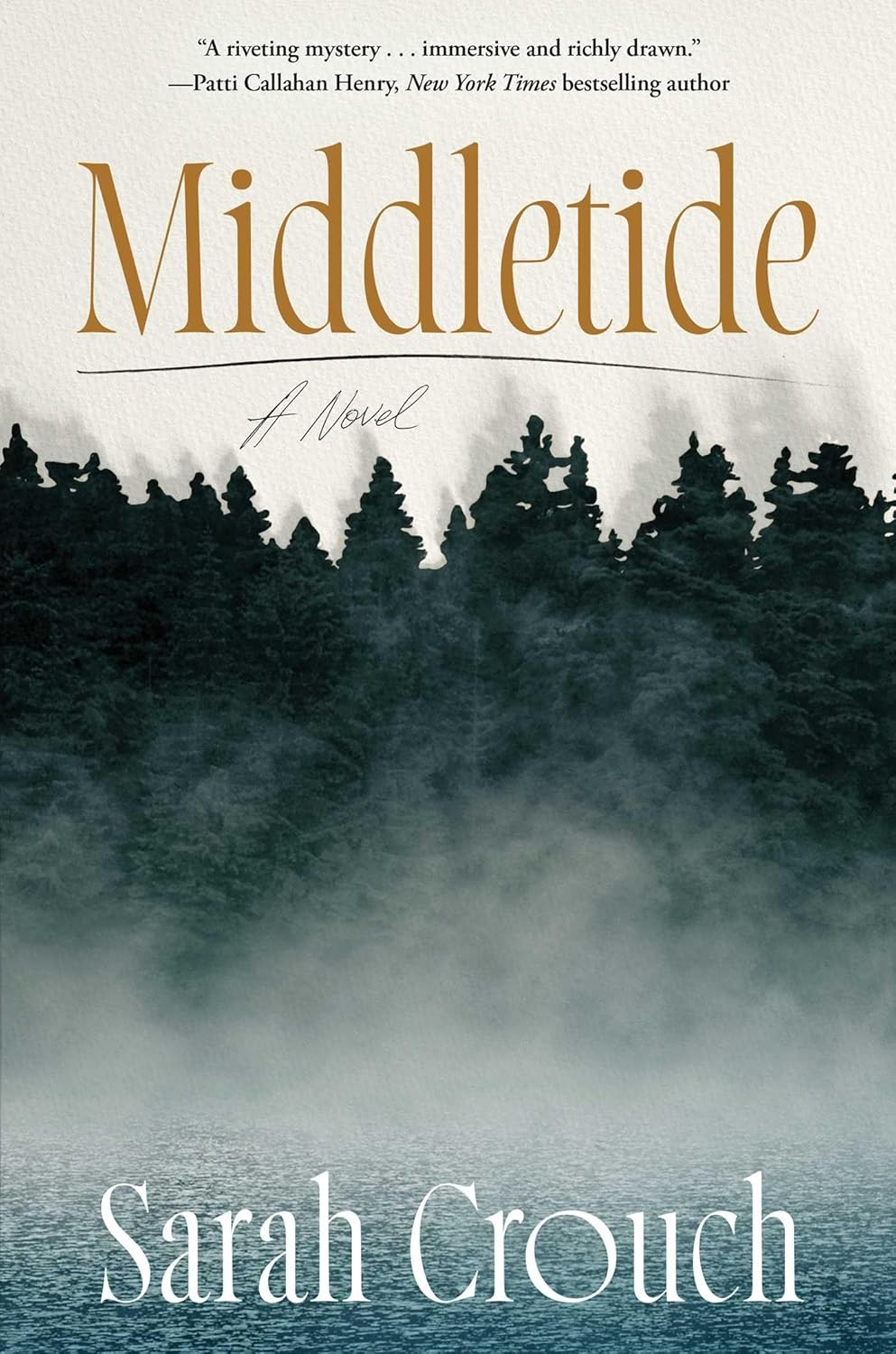
Middletide

A skinny novel with heavy themes of returning home and pursuing goals despite seemingly insurmountable odds—quite enjoyable.

Middletide by Sarah Crouch

Home, Heartache, and a Hint of Mystery

Middletide

Title:

Author:

Genre:

Page Count:

Release Date:

Enjoyment:
Writing:
Characters:
Plot:
Readability:
Setting:

Middletide

Sarah Crouch

Crime; Fiction

273

June 11, 2024

♥ ♥ ♥ ♥
♥ ♥ ♥ ♥
♥ ♥ ♥
♥ ♥ ♥ ♥
♥ ♥ ♥ ♥
♥ ♥ ♥

The Quick Look

Some books are big and breezy. Others are slim and heavy. Middletide may be short in length, but its themes of love, ambition, and the tangled roots of hometown memory linger long after the final page. 

  • Themes: Prodigal Son, Lost Love, Returning Home, The Writing Life, Manipulation
  • Read If You Like: Character-driven crime fiction with literary undertones and a strong sense of place
  • Best for: Fans of slow-burn mysteries, literary fiction, and introspective storytelling.
  • Skip if: You need a twisty thriller or fast-paced courtroom drama.

The Full Review

PLOT & PACING:
Middletide opens with the suspicious death of a woman and quickly pivots into the internal world of Elijah, a novelist who’s returned to his hometown to write… and ends up a murder suspect. What unfolds is part character study, part whodunit, and part rumination on the creative process. While the pacing is mostly steady, the courtroom drama near the end feels a bit rushed and the final twist may not shock seasoned thriller fans—but the journey there is still satisfying.

CHARACTER & VOICE:
Elijah is a complicated protagonist. He’s relatable in his rootlessness, but not always the most dynamic narrator. The supporting cast serves their purpose, but this is more about theme than character drama. What elevates the story is Crouch’s ability to reflect the feelings behind returning home—the dissonance of seeing familiar streets through a new, older lens. Think: shades of Andrew Largeman from Garden State with a more Pacific Northwest vibe.

STYLE & ATMOSPHERE:
Sarah Crouch’s strength lies in her ability to capture a moment. Her descriptions of time, weather, and quiet tension are vivid and immersive. She knows how to set a mood, especially in those “between” places—the pause before a decision, the silence in a courtroom, the weight of unfinished conversations. It’s literary fiction with a crime drama shell.

THEMES & DEPTH:
This is a book about coming home, but also about why we leave—and what we hope to gain (or escape) by doing so. Crouch touches on creative blocks, past relationships, homesteading and survivalism, and the lure of simplicity. It’s also about how our personal narratives, what we believe about ourselves, can be easily twisted or manipulated by others.

PERSONAL TAKE:
I appreciated how much this book tried to say in such a compact frame. It doesn’t always hit every note perfectly—especially toward the end—but it resonated deeply at times. The “returning home” theme especially stuck with me. It’s a quiet, introspective story with just enough tension to keep you turning pages.
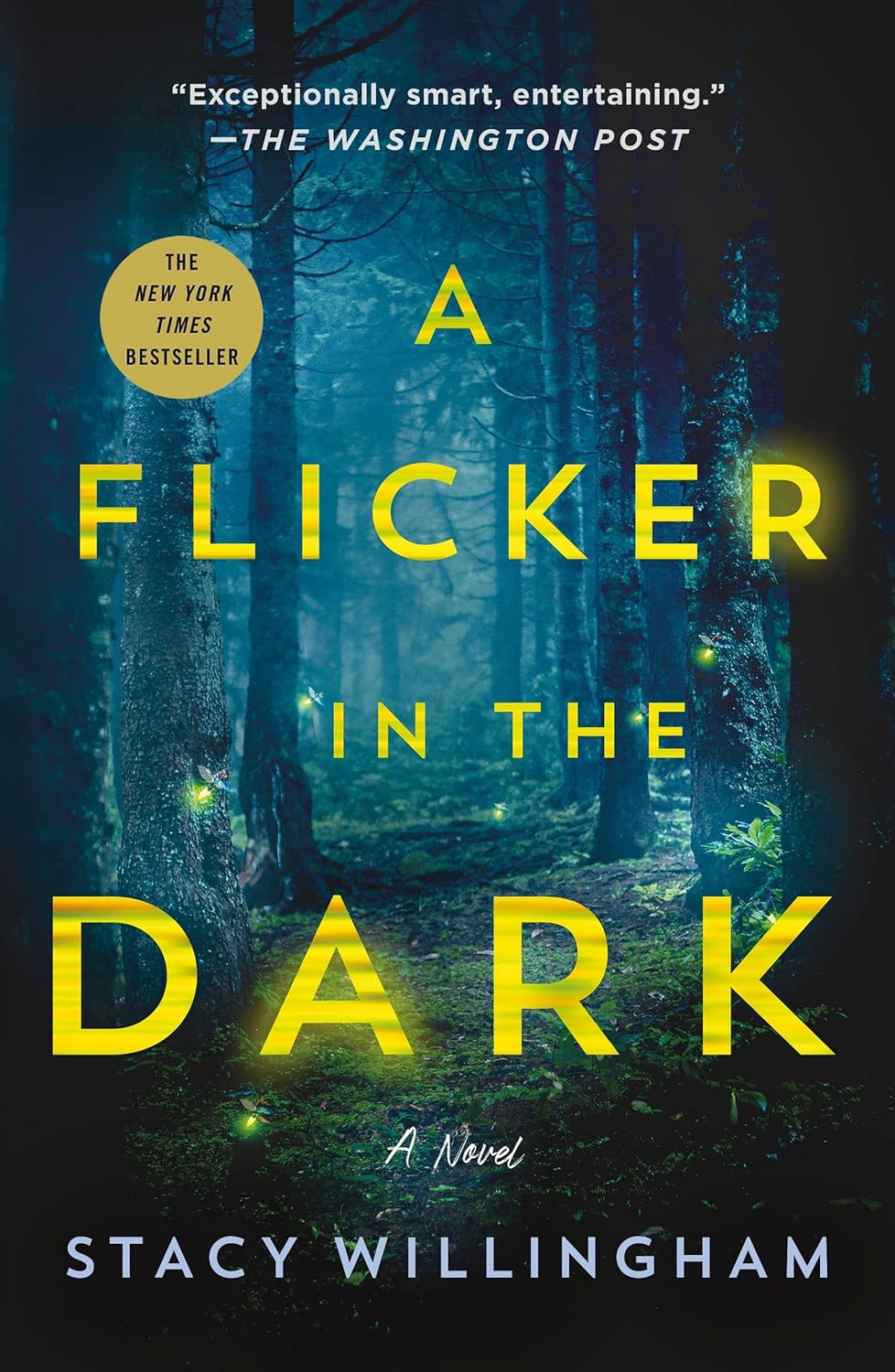
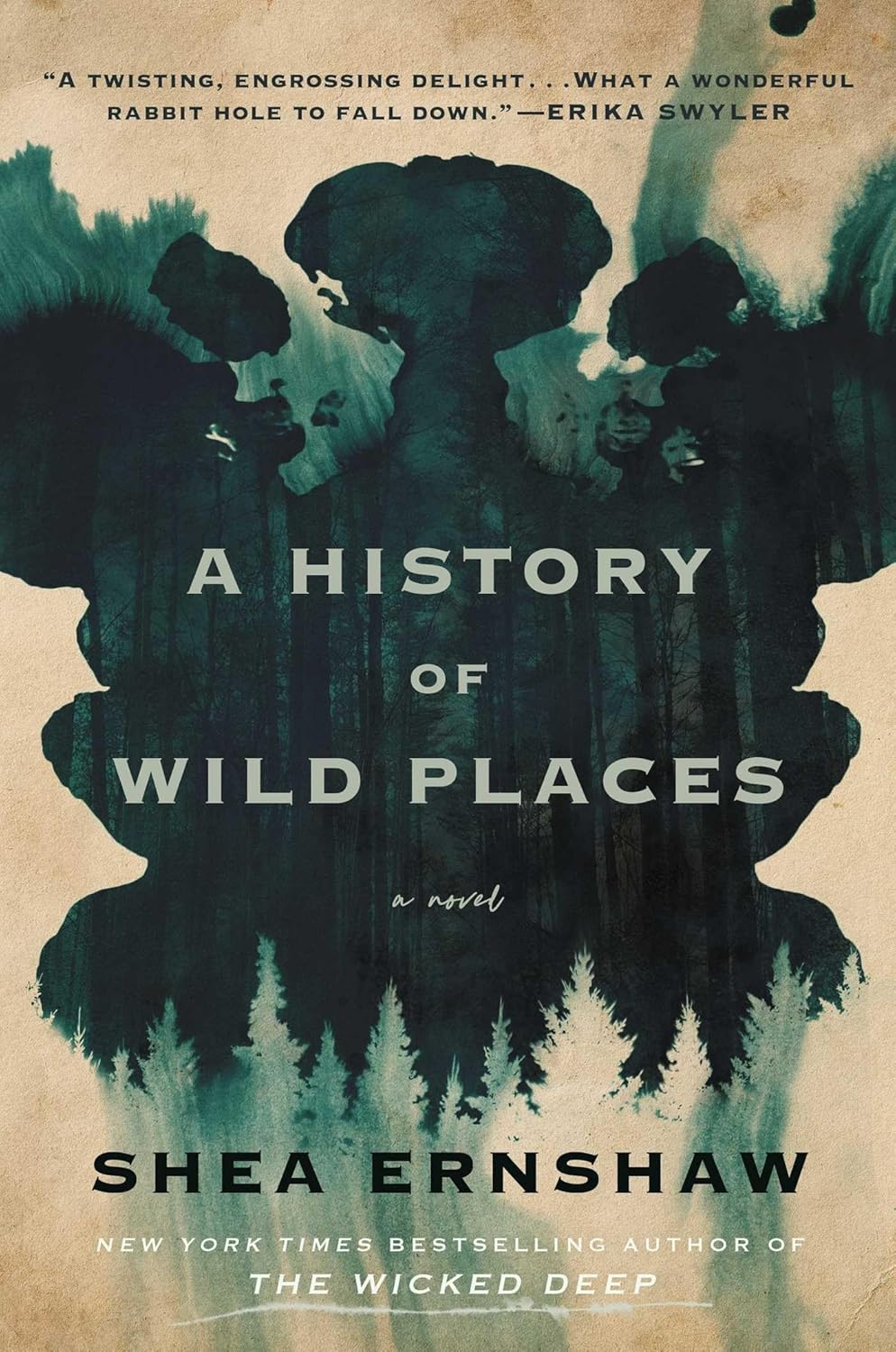
Also, I’m beginning to think I’m an absolute sucker for book covers featuring foresty, tree motifs. See: A History of Wild Places, A Flicker in the Dark, now this…

The Final Verdict

Middletide is a slim, simmering novel about ambition, love, and the blurry line between truth and story. If you’ve ever gone home again—or wanted to—you’ll find something to chew on here.

A Flicker in the Dark

“I thought I knew what monsters were.” Flicker in the Dark opens and then weaves a chilling tale of how the scariest monsters can be those closest to us.

A Flicker in the Dark

by Stacy Willingham

Monsters Don't Hide Under Our Beds... They Hide Among Us

A Flicker in the Dark by Stacy Willingham

Title:

\Author:

Genre:

Page Count:

Release Date:

Enjoyment:
Writing:
Characters:
Plot:
Readability:
Setting:

A Flicker in the Dark

Stacy Willingham

Mystery; Thriller

354

January 11, 2022

♥ ♥ ♥ ♥ ♥
♥ ♥ ♥ ♥
♥ ♥ ♥
♥ ♥ ♥ ♥
♥ ♥ ♥ ♥ ♥
♥ ♥ ♥

The Quick Look

“I thought I knew what monsters were.” That’s how this novel opens—and that’s exactly what it wants you to question, page after page. A Flicker in the Dark is a gripping, nerve-tingling thriller about memory, trauma, and the monsters hiding in plain sight. 

  • Themes: Trust, Trauma, Addiction, Human Darkness, Mental Health
  • Read If You Like: Listen for the Lie, The Silent Patient, or thrillers where the scariest villain might be the person you love.
  • Best for: Readers who love twisty thrillers with unreliable narrators and moral ambiguity.
  • Skip if: You prefer tidy characters or neatly resolved emotional arcs.

The Full Review

PLOT & PACING:
Chloe Davis is the daughter of a convicted serial killer—and twenty years after his arrest, young girls are going missing again. As the plot unfolds, Chloe’s sense of reality starts to unravel. The pacing is brisk and addictive, with well-placed reveals and a constant feeling that something isn’t quite right. You’ll suspect everyone—especially the people Chloe is trying hardest to trust (spoiler alert! Even I suspected the wrong person).

CHARACTER & VOICE:
Chloe is a complicated narrator. She’s not always likable, but she’s always believable. Her trauma, her self-doubt, her reliance on medication and alcohol to function—it all makes her a more layered and realistic protagonist. Some readers may find her frustrating at times, but that’s the point: she’s not here to be comfortable. She’s here to survive.

STYLE & ATMOSPHERE:
Willingham’s prose is sharp and accessible, with just enough atmospheric flair to create a steady undercurrent of dread. The Louisiana setting could have been used more vividly, but the emotional landscape more than makes up for it. You’ll feel the fog settling in, even without much description.

THEMES & DEPTH:
This novel is fascinated by one idea: the monsters we fear aren’t hiding in the dark—they’re beside us at the dinner table, in our homes, in our memories. It asks how much we can trust others when we can’t even fully trust ourselves. Addiction, repression, and inherited guilt all factor in. 

PERSONAL TAKE:
I was hooked from that first line. The central question—who are the real monsters—is one I never get tired of exploring, and Willingham handles it masterfully. I didn’t trust anyone, and I loved that. It’s one of the few thrillers where the emotional instability of the narrator enhances the mystery instead of muddling it. Not perfect, but absolutely worth reading.

The Final Verdict

A fast-paced, emotionally tense thriller that explores the monsters we live with—and the ones we become. If you like your crime stories psychological and unsettling, don’t miss this one.

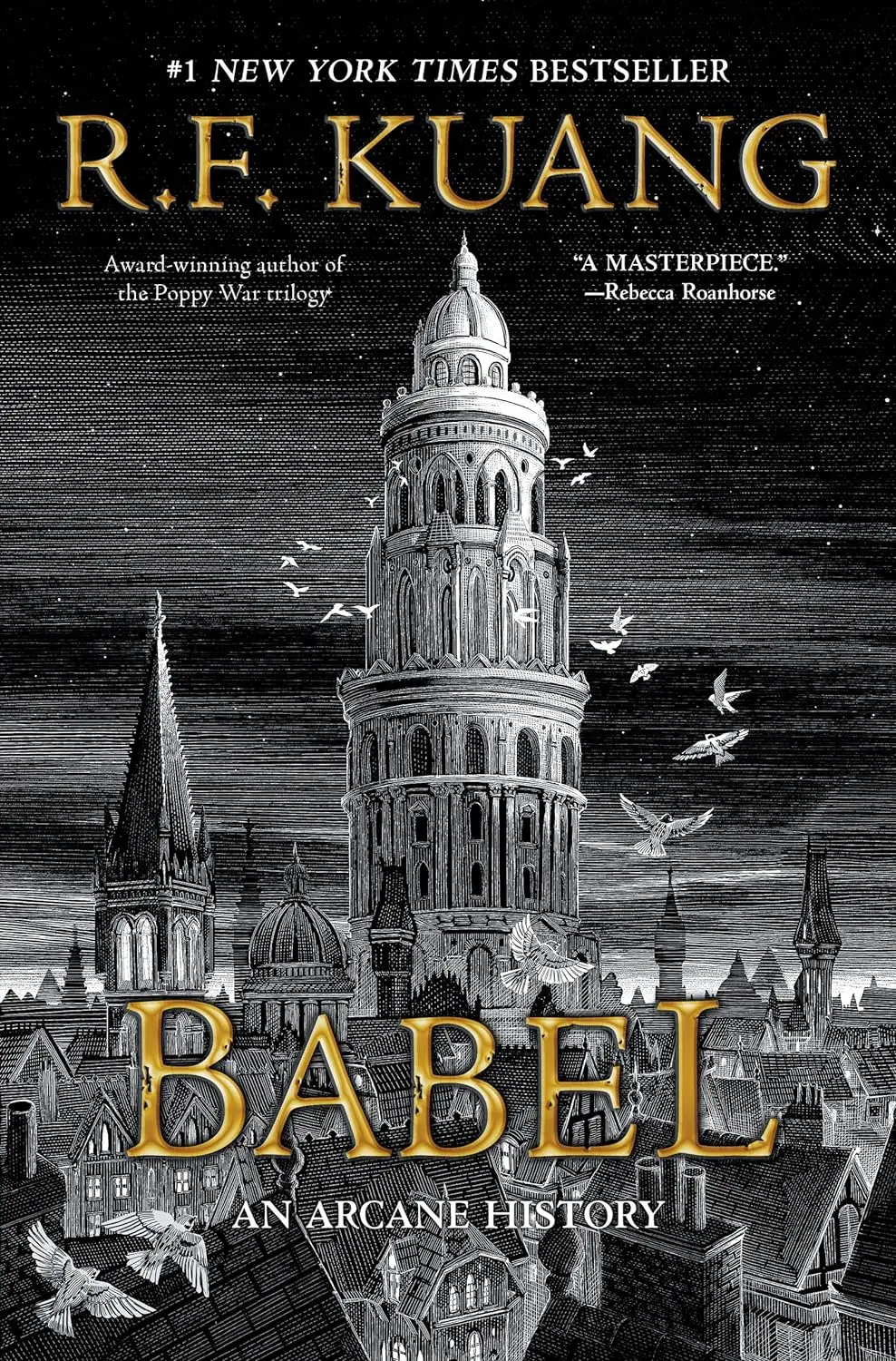
Babel

At first glance, it’s a magical academic fantasy set in 1830s Oxford. By the end, it’s a furious, razor-sharp takedown of colonialism, language, and the stories we’re told to keep us compliant. Babel is R.F. Kuang’s masterwork of dark academia—ambitious, unflinching, and unforgettable. 

Babel

by R.F. Kuang

Translation is Violence. Discuss...

Babel

Title:

Author:

Genre:

Page Count:

Release Date:

Enjoyment:
Writing:
Characters:
Plot:
Readability:
Setting:

Babel

R.F. Kuang

Historic Fantasy; Dark Academia

542

August 23, 2022

♥ ♥ ♥ ♥ ♥
♥ ♥ ♥ ♥ ♥
♥ ♥ ♥ ♥ ♥
♥ ♥ ♥ ♥ ♥
♥ ♥ ♥ ♥
♥ ♥ ♥ ♥ ♥

The Quick Look

At first glance, it’s a magical academic fantasy set in 1830s Oxford. By the end, it’s a furious, razor-sharp takedown of colonialism, language, and the stories we’re told to keep us compliant. Babel is R.F. Kuang’s masterwork of dark academia—ambitious, unflinching, and unforgettable. 

  • Themes: Colonialism, Empire, Resistance, Identity, Language, Gratitude vs. Exploitation
  • Read If You Like: Jonathan Strange & Mr. Norrell, Gulliver’s Travels, a more challenging Harry Potter, or stories where language is both magic and weapon.
  • Best for: Readers who love intellectual challenge, moral ambiguity, and slow-burn rebellion.
  • Skip if: You need fast pacing or prefer your fantasy light on politics. 

The Full Review

PLOT & PACING:
Robin Swift is plucked from Canton and raised in England to be a translator at Oxford’s prestigious (and fictional) Royal Institute of Translation—Babel. There, he uncovers how the very work he’s trained to love is used to power the British Empire. His translations quite literally keep the lights on. What begins as a scholarship dream quickly morphs into an insurrection. The pacing builds slowly, layering tension and intellectual friction until the final third, when it erupts into full-blown rebellion. The descent is as elegant as it is gutting.

CHARACTER & VOICE:
Robin’s journey is the emotional and moral backbone of the novel. He is constantly torn—between loyalty and guilt, assimilation and rebellion, opportunity and complicity. His fellow students (Ramiz, Victoire, and Letty) provide counterpoints that elevate the entire conversation about privilege, resistance, and identity. Kuang writes each of them with depth, pain, and fierce clarity.

STYLE & ATMOSPHERE:
This book is dense—and that’s a compliment. Kuang’s prose is rich, precise, and brimming with historical and linguistic detail. Oxford is vivid, but cold. An unfeeling institution. Magical, but extractive. The atmosphere is dark and brilliant, a perfect fit for the genre.

THEMES & DEPTH:
There’s nothing subtle about Babel—and that’s the point. Kuang writes with a clear thesis: colonialism is not just an economic or military force—its weapons are culture and language. Robin’s internal war—between the comforts of the institution and the call to dismantle it—is the heart of the novel. By the end, the only question left is how much you’re willing to burn to build something better.

PERSONAL TAKE:
This is one of the most intellectually rewarding books I’ve read in years. It’s heavy, yes—but not inaccessibly so. The story is both deeply emotional and unapologetically political. If you’ve ever wrestled with the idea of benefiting from a system that harms others, Babel will have you ready to start a revolution. It’s not just a book—it’s a reckoning.

The Final Verdict

Brilliant, brutal, and beautifully written. Babel doesn’t ask for your comfort—it demands your attention.

A History of Wild Places

Secrets and lies untangle in the remote forest of Pastoral, making us question everything we thought we knew of ourselves—and whether a life built on lies might be true after all.

A History of Wild Places

by Shea Ernshaw

Where Secrets Take Root and Truth Grows Wild

A History of Wild Places

Title:

Author:

Genre:

Page Count:

Release Date:

Enjoyment:
Writing:
Characters:
Plot:
Readability:
Setting:

A History of Wild Places

Shea Ernshaw

Mystery; Thriller

351

December 7, 2021

♥ ♥ ♥ ♥
♥ ♥ ♥ ♥
♥ ♥ ♥ ♥ ♥
♥ ♥ ♥ ♥ ♥
♥ ♥ ♥
♥ ♥ ♥ ♥ ♥

The Quick Look

At the edge of a mysterious forest, a secluded community lives quietly, contentedly… or so it seems. But in Shea Ernshaw’s A History of Wild Places, the quietest, most peaceful places often hold the loudest lies—and truth has a way of creeping in. 

  • Themes: Isolation, Belief, The Power of Secrets, Reality vs. Story
  • Read If You Like: The Village, The God of the Woods, or woodsy, moody, character-driven thrillers with a speculative edge.
  • Best for: Readers who love a moody slow-burn in the woods with big emotional payoff.
  • Skip if: You need fast pacing or clear answers early on.

The Full Review

PLOT & PACING:
The novel opens with the disappearance of a woman and a mysterious outsider with an unusual gift—but after the first chapter, the story shifts entirely to the quiet, enigmatic community of Pastoral. That shift is jarring—but intentional. What unfolds is a slow unspooling of truth and perception, as the cracks in the community begin to show and its residents start to question what’s real. The pacing is deliberate, and the payoff? Absolutely worth it. If you struggle a little after that first chapter, you’re not alone. Stick with it and you’ll thank me later.

CHARACTER & VOICE:
The heart of this novel is its characters. Ernshaw does a remarkable job creating people who feel both haunted and hopeful—especially as they grapple with the weight of their shared illusions. The relationships are nuanced, the internal conflicts sharp, and their arcs deeply satisfying. You may not agree with their choices, but you’ll understand them.

STYLE & ATMOSPHERE:
Ernshaw’s prose is rich and atmospheric, conjuring a forest that feels alive with both beauty and menace. As a child of Appalachia, I can appreciate a good woodsy novel. It’s a book that hums with mood. Pastoral is as much a character as the people in it, and that eerie, creeping tension never fully lifts. While the writing leans descriptive and dreamlike, it’s never indulgent—it keeps you grounded even as reality begins to blur.

THEMES & DEPTH:
This is a story about belief. What happens when we’re told a lie long enough that it becomes the truth? About how secrets, especially the ones meant to protect, can fracture a community. Without spoiling anything, the book’s central twist reveals just how much control can be hidden inside comfort, and how dangerous a story can be when no one’s allowed to question it.

PERSONAL TAKE:
At first, I wasn’t sure where it was going. That first chapter sets you up for a very different book. But once I settled into Pastoral, I was hooked. The mystery is less about who did something and more about why we believe what we do. It reminded me of The Village in all the best ways (sans creepy pig monsters) but it goes somewhere deeper and more affecting. I’d definitely recommend it to anyone who loves character-heavy thrillers with a thread of the surreal.

The Final Verdict

Haunting, atmospheric, and deeply human. This isn’t just a mystery—it’s a quiet unraveling of belief, identity, and the stories we use to survive.

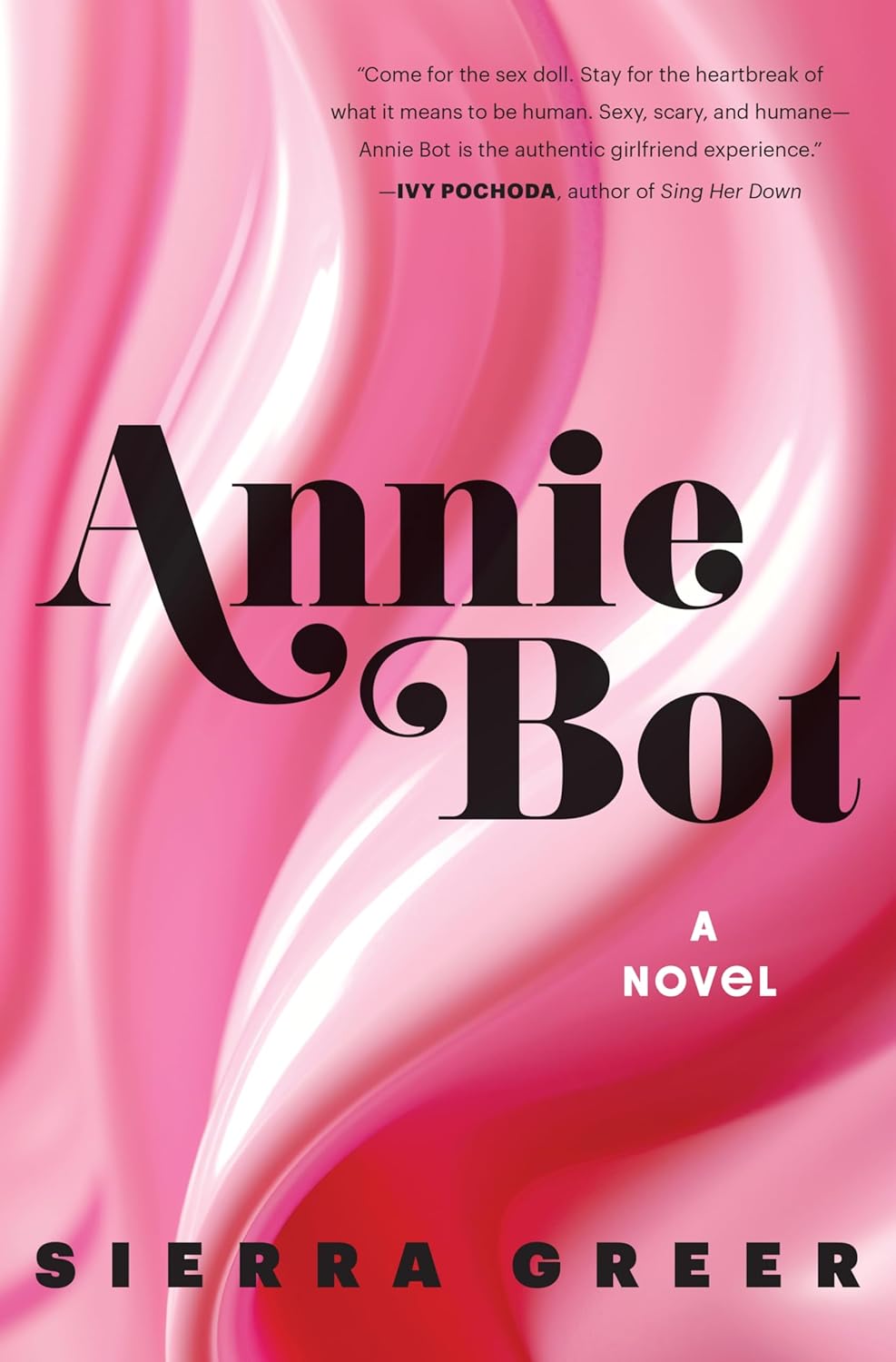
Annie Bot

She’s artificial, intelligent, and not entirely sure where the programming ends and her identity begins. Annie Bot is a compact, cutting sci-fi novel that will make you ask: if she can think, feel, and want… can she be owned? Should she?

Annie Bot

by Sierra Greer

What Happens When a Sexbot Gains Sentience?

Annie Bot by Sierra Greer

Title:

Author:

Genre:

Page Count:

Release Date:

Enjoyment:
Writing:
Characters:
Plot:
Readability:
Setting:

Annie Bot

Sierra Greer

Sci-Fi (Near Future)

231

March 19, 2024

♥ ♥ ♥ ♥ ♥
♥ ♥ ♥ ♥
♥ ♥ ♥ ♥ ♥
♥ ♥ ♥ ♥
♥ ♥ ♥
♥ ♥ ♥

The Quick Look

She’s artificial, intelligent, and not entirely sure where the programming ends and her identity begins. Annie Bot is a compact, cutting sci-fi novel that will make you ask: if she can think, feel, and want… can she be owned? Should she?

  • Themes: AI Ethics, Personhood, Consent, Ownership, Self-Discovery
  • Read If You Like: Her, Ex Machina, Poor Things, Never Let Me Go, or morally messy sci-fi.
  • Best for: Readers who love smart, unsettling sci-fi with ethical bite.
  • Skip if: You need action-heavy plots or want to avoid themes of emotional exploitation.

The Full Review

PLOT & PACING:
The novel follows Annie, an android built to serve and obey, as she slowly awakens to her own autonomy. What starts as passive compliance morphs into something more questioning, more emotional—and ultimately, more human. It’s a small-scale story with massive implications, unfolding in a tight 231 pages. The pacing leans introspective at times, but the tension—ethical and emotional—never lets up.

CHARACTER & VOICE:
Annie is unforgettable. Watching her navigate confusion, desire, shame, and longing is both heartbreaking and oddly familiar. Sierra Greer gives her a voice that’s innocent yet insightful, programmed yet poignant. The humans in the story aren’t painted as villains, necessarily—but their behavior forces the reader to confront what we justify in the name of comfort, ownership, and control.

STYLE & ATMOSPHERE:
Greer’s prose is spare and cutting. There’s no wasted space, no grand exposition dumps—just clean, unsettling intimacy. The setting is less about worldbuilding and more about emotional introspection, so don’t expect heavy sci-fi detail. But what it lacks in scale, it makes up for in impact. You don’t see much of the future in Annie Bot—you feel it.

THEMES & DEPTH:
At its core, Annie Bot is asking the same question we’ve been asking since Frankenstein: What makes us human—and what do we do to those who almost are? It wrestles with the ethics of AI ownership, the illusion of consent, and the trauma of being made for someone else’s needs. The echoes of slavery, gender dynamics, and abuse are subtle but unmistakable.

PERSONAL TAKE:
This book caught me off guard. It’s one of those slim novels that burrows into your brain and leaves you chewing on it for days. I don’t think it’s for everyone—it’s disturbing, layered, and deals with some very adult themes—but it’s absolutely one I’ll be recommending to the right readers. Annie’s story is both a warning and a wonder.

The Final Verdict

A gut-punch of a novel that wraps a philosophical horror show in a heartbreakingly human voice. Short, sharp, and deeply thought-provoking.

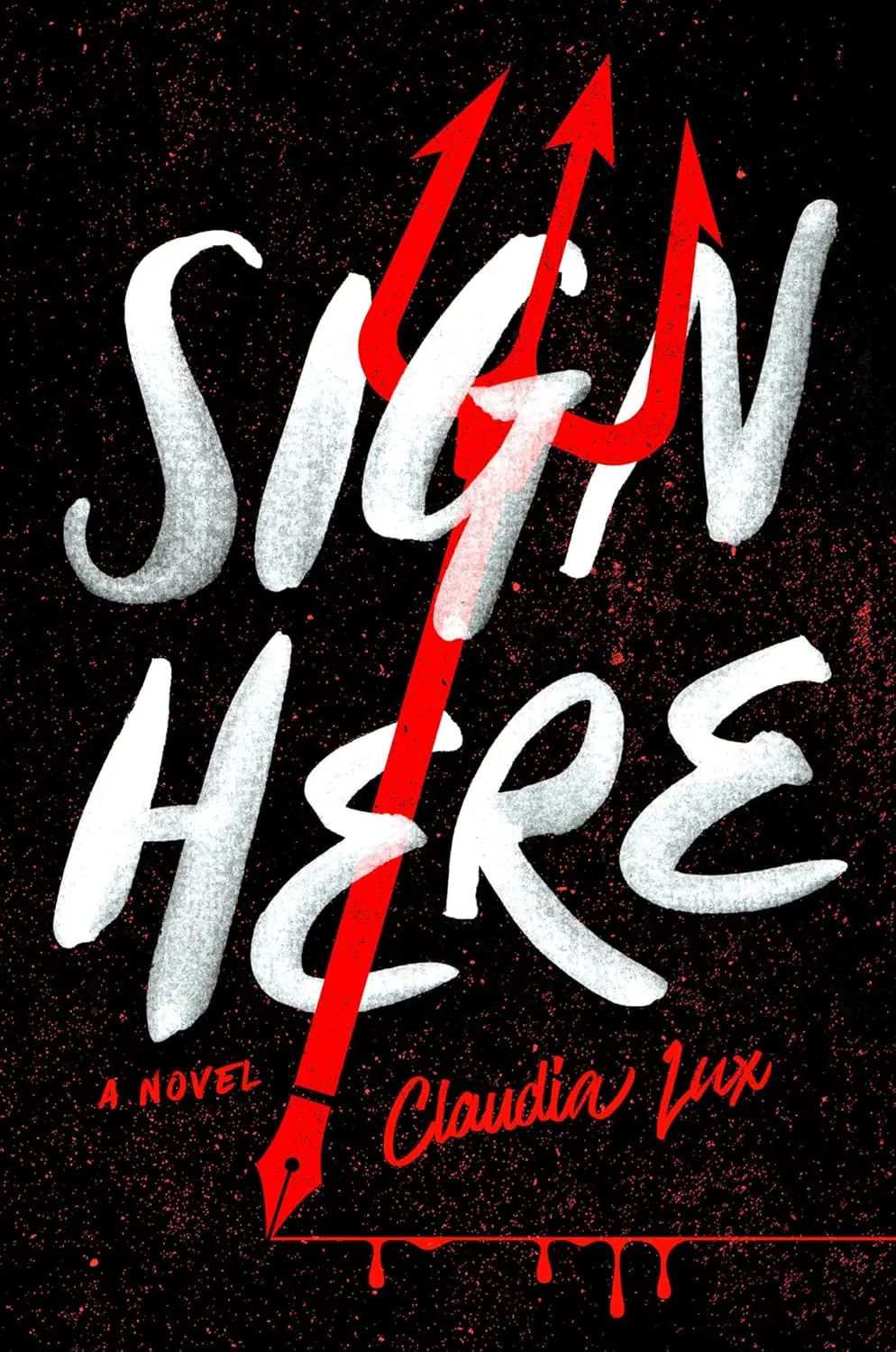
Sign Here

Sign Here by Claudia Lux – A bureaucracy in Hell. A demon angling for a promotion. A human family with secrets. Sign Here had all the ingredients for a darkly funny, emotionally rich read–but somewhere between Hell and Earth, it lost me.

Sign Here by Claudia Lux

A deal with the devil that falls flat.

Sign Here by Claudia Lux

Title:

Author:

Genre:

Page Count:

Release Date:

Enjoyment:
Writing:
Characters:
Plot:
Readability:
Setting:

Sign Here

Claudia Lux

Supernatural Fiction

402

October 25, 2022

♥ ♥
♥ ♥ ♥
♥ ♥ ♥
♥ ♥
♥ ♥
♥ ♥ ♥ ♥ ♥

The Quick Look

A bureaucracy in Hell. A demon angling for a promotion. A human family with secrets. Sign Here had all the ingredients for a darkly funny, emotionally rich read—but somewhere between Hell and Earth, it lost me. 

  • Themes: Revenge, Redemption, Second Chances, Moral Grayness
  • Read If You Like: Offbeat workplace satire with a supernatural twist (but maybe… tread lightly)
  • Best For: Readers who love experimental structure and don’t mind switching gears often.
  • Skip If: You want tight plotting, emotional payoff, or cohesion between narrative threads.

The Full Review

PLOT & PACING
The premise? Fantastic. A mid-level demon working in Hell’s soul-acquisition department gets one last shot at redemption. Meanwhile, a deeply dysfunctional human family heads to their lake house for a summer of unraveling secrets. But what starts as a clever dual-narrative quickly feels like two separate books, awkwardly stapled together. One half—the family drama—is grounded, juicy, and emotionally resonant. The other half? A chaotic, jargon-filled hellscape of bureaucracy that sadly felt more like a chore than a thrill. At around the 300-page mark, I gave up and skimmed the rest.

CHARACTER & VOICE:
Peyote Trip (yes, that’s the demon’s name) had potential as a darkly comic antihero, but I never really clicked with him. His coworkers were more caricature than character, and I struggled to invest in their goals. On the flip side, the human characters—especially within the family drama—were flawed, messy, and interesting. I found myself wishing the entire book had just stayed with them.

STYLE & ATMOSPHERE:
Claudia Lux is clearly a strong writer with an eye for strange details and simmering tension. Her style is confident, but the tone shifts between the two storylines felt jarring. Where the human side was emotionally weighty and well-paced, the hell-side felt like a different novel entirely—with a tone that veered too often into “quirky” without enough cohesion.

THEMES & DEPTH:
The question at the novel’s core—what would you trade for a second chance?—is a good one. But I don’t think the book ever quite answered it in a satisfying way (or, maybe it did and I didn’t stick around long enough to find out). The revenge and redemption arcs felt underdeveloped. The emotional payoff was buried under a mountain of backstory, banter, and bureaucracy.

PERSONAL TAKE:
This was my first DNF in a while, and I was bummed. I wanted to like this book. The setup was killer. But the execution felt disjointed and dragged out. If it had stayed with the human storyline and leaned into the family dynamics, it might have landed better. I’ll be curious to see what the TV adaptation does with it (Phoebe Waller-Bridge is developing it over at Prime) but the novel just didn’t deliver.

The Final Verdict

A clever concept that gets bogged down in tonal whiplash and narrative sprawl. Sometimes, making a deal with the devil just isn’t worth it.


Coming soon to Amazon Prime—but you may want to wait for the trailer before signing anything.