How to Sell a Haunted House
by Grady Hendrix
When your childhood puppet becomes the main villain, you know therapy’s not gonna cut it.
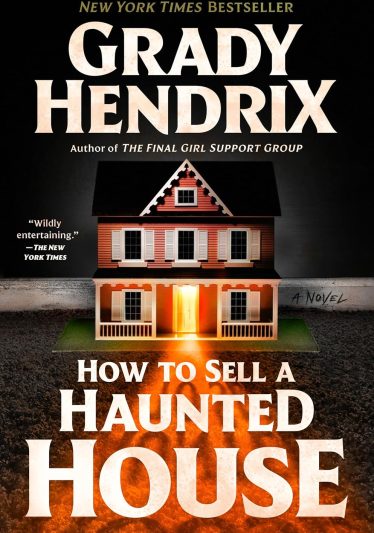
Title:
Author:
Genre:
Page Count:
Release Date:
Enjoyment:
Writing:
Characters:
Plot:
Readability:
Setting:
How to Sell a Haunted House
Grady Hendrix
Horror
413
January 17, 2023
♥ ♥ ♥ ♥ ♥
♥ ♥
♥ ♥ ♥ ♥ ♥
♥ ♥ ♥ ♥ ♥
♥ ♥ ♥ ♥
♥ ♥ ♥ ♥
The Quick Look
Work through the stages of grief with Louise and her estranged brother Mark as they mourn their recently deceased parents and prepare to sell their house—which is hiding more than just secrets… Darkly funny and genuinely creepy, How to Sell a Haunted House delivers equal parts haunted horror and heartfelt family drama.
- Themes: Grief, death, familial secrets, childhood trauma, mental illness
- Read if you like: The House in the Pines, Hereditary, creepy dolls, or sibling relationships that hit way too close to home.
- Best for: Readers who love horror that makes them feel things, fans of family drama with supernatural flair, or anyone who likes their creepy with a side of dark humor.
- Skip if: Puppets freak you out (seriously), you need highly literary prose, or you’re looking for a fast-paced scare-fest over a character-driven story.
The Full Review
PLOT & PACING
The story begins after the death of Louise’s parents. She and her brother Mark have inherited their childhood home and they plan to sell it… but the house—and its unsettling collection of puppets and memories—has other plans. As she and Mark attempt to clean out the family home and prepare it for sale, the past comes quite literally to life. The plot is structured around the five stages of grief, which adds an unexpected depth to a story that could’ve been just another haunted house tale. The pacing builds steadily toward a jaw-dropping, unsettling climax.
CHARACTER & VOICE
Louise is a fully formed, believable protagonist—flawed, grieving, and sarcastic. Her dynamic with her brother Mark feels authentic in all the worst ways: unresolved fights, painful memories, and that weird mix of love and resentment. Even the villain (yes, Pupkin the puppet) somehow manages to feel like a character with terrifying emotional weight. Hendrix excels at making everyone feel human… even the not-so-human.
STYLE & ATMOSPHERE
The prose isn’t overly literary, but it’s incredibly effective. The blend of horror and humor is one of the book’s greatest strengths. There’s a Southern gothic flavor to the setting—dusty attics, childhood bedrooms full of secrets, and memories that rot like forgotten boxes in a closet. It’s chilling, but never joyless.
THEMES & DEPTH
At its core, this book is about grief—how it manifests, how we avoid it, and how it warps us if left unspoken. The haunted house is a metaphor for everything unprocessed: regret, sibling tension, unresolved trauma. And the puppets? Maybe the best (and creepiest) metaphor for the things we inherit but never really want.
PERSONAL TAKE
I’ve been craving a horror novel that could scare me and make me think, and this delivered. The creep factor is real, but it’s the emotional depth that caught me off guard. There were moments I laughed out loud—and moments I wanted to sleep with the lights on. It’s the kind of book that will stick with you… probably with Pupkin whispering in your ear.
The Final Verdict
A chilling, charming, and cathartic look at how families fall apart—and maybe come back together—with the help of (or maybe in spite of?) some possessed puppets.