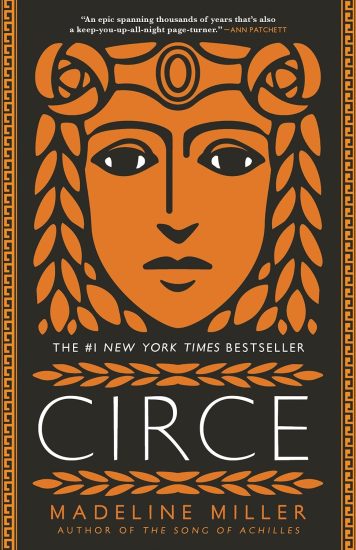
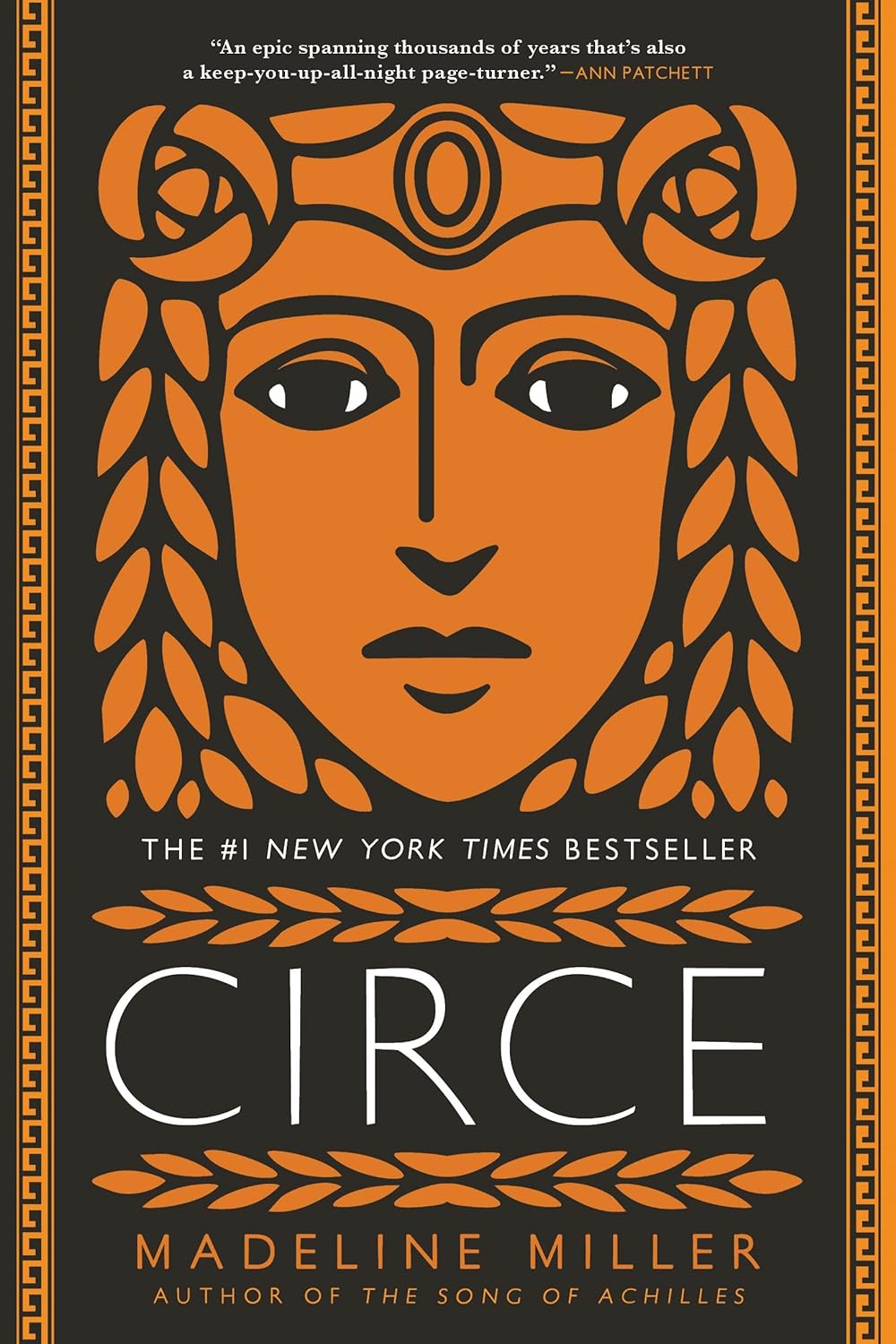
PLOT & PACING
The novel spans thousands of years, tracing Circe’s transformation from overlooked nymph (who gave aid to Prometheus, btw) to a woman who bends fate to her will. The pacing is meditative—slow at first, almost too slow. But by the halfway mark, the threads begin to tighten. It’s less about what happens and more about how Circe changes. The story is mythic in scale, but intimate in voice.
CHARACTER & VOICE
Circe is layered, stubborn, observant, and deeply human despite her immortality. At first, she feels distant—a consequence of the prose, the isolation, the eons of her story. But as the novel progresses, her perspective sharpens. You begin to feel her pain, her pride, her yearning. It’s a voice that grows on you.
STYLE & ATMOSPHERE
Miller writes like a poet. Her prose is lush, lyrical, and evocative, especially when describing Circe’s island and the quiet spaces between encounters. The atmosphere is both enchanting and melancholic. You feel the weight of solitude—and the slow, deliberate work of self-invention.
THEMES & DEPTH
Circe is about stepping out of the shadows of gods and heroes to find your own truth. It asks what makes someone powerful—and what it means to be free. It challenges the idea that a life on the margins is lesser. And it celebrates the act of choosing your own story, even when the world writes you off.
PERSONAL TAKE
This one almost lost me. Around page 150, I nearly quit. But I’m glad I didn’t. There’s something quietly revolutionary in how Circe reclaims her narrative—not by conquest, but by endurance. It may not resonate with everyone, but for the right reader, it could be transformational. It’s not loud, but it lingers.