PLOT & PACING
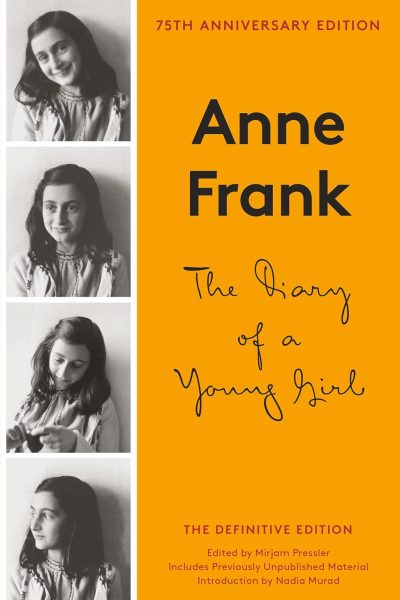
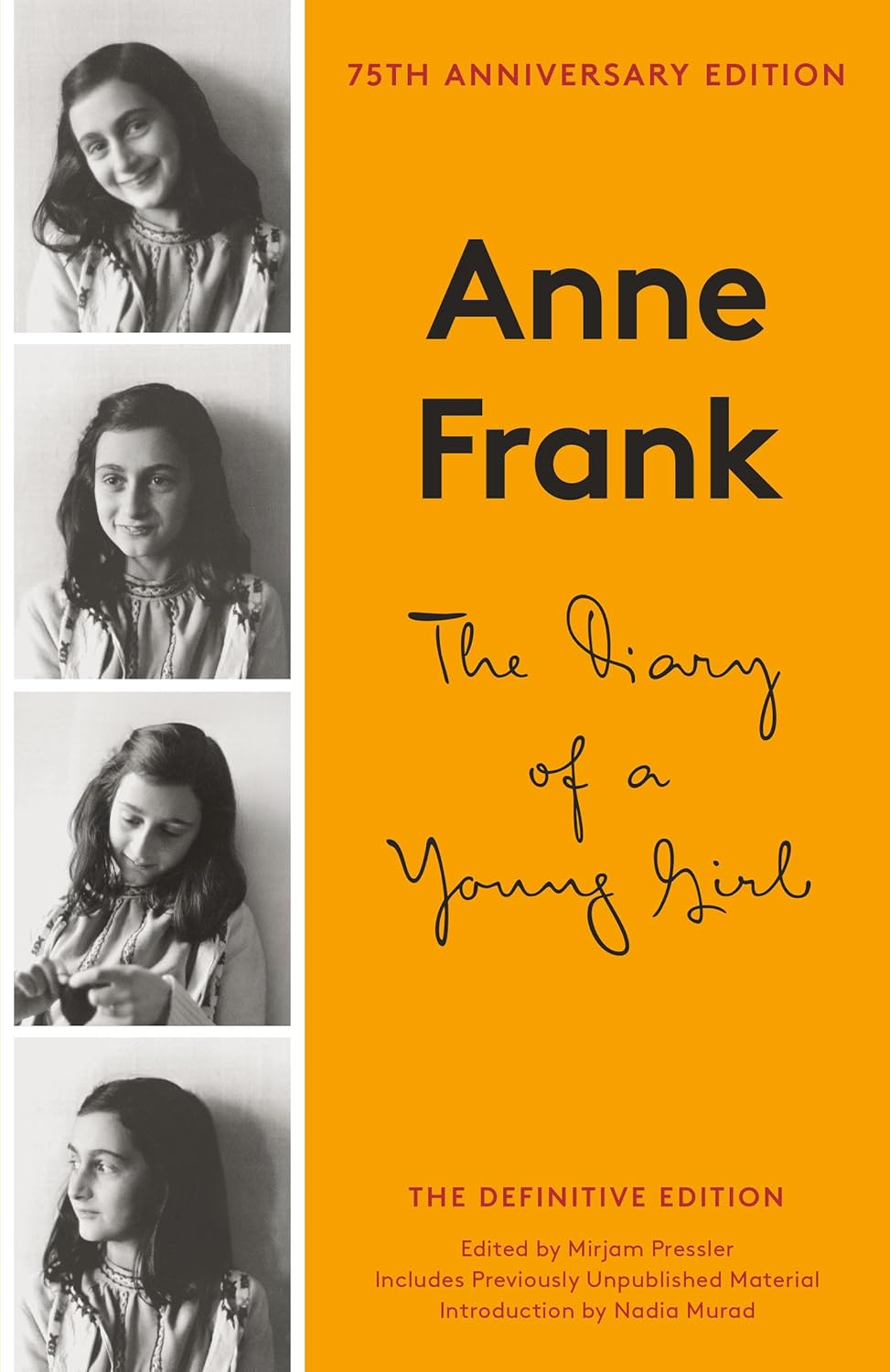
Anne’s diary doesn’t follow a traditional storyline—you won’t find a clear beginning, middle, and end shaped for dramatic effect. Instead, it unfolds as life actually happens: a mix of long, uneventful days; sharp spikes of tension; and occasional moments of joy. The sense of confinement is palpable—rooms described in detail, whispered conversations, the constant fear of being heard by someone who might betray them. And yet, between descriptions of rationed food and whispered arguments, there are dances, shared meals, and dreams of the future. The pacing is deliberate because the stakes are not just plot points—they’re life and death.
CHARACTER & VOICE
Anne’s voice is what transforms this diary from historical record to enduring literature. She’s clever, funny, stubborn, and deeply observant, often catching herself in contradictions and analyzing her own flaws with surprising maturity. Her relationships—especially with her parents, sister Margot, and the Van Daan family—are layered with irritation, affection, and the inevitable friction of living in such close quarters. She writes about Peter with both curiosity and adolescent confusion, capturing the awkwardness of first feelings in a place where privacy barely exists. Her humanity and vulnerability make her timeless.
STYLE & ATMOSPHERE
The tone swings between lighthearted musings and heavy reflections, often within the same entry. Anne’s gift lies in her ability to make you feel like you’re in the room with her—leaning over her shoulder as she writes by candlelight. She doesn’t shy away from her emotions, whether she’s lamenting the unfairness of the world or laughing at the quirks of her housemates. The Annex itself becomes a character: a tiny maze of cramped rooms, hidden staircases, and the constant hum of the outside world pressing in through walls and windows.
THEMES & DEPTH
Yes, it’s a record of survival during the Holocaust, but it’s also about the universal experiences of adolescence—wanting to be taken seriously, clashing with parents, feeling lonely in a crowd, aching to experience the world just outside the window. Anne reflects on human nature, morality, and justice with insight far beyond her years. She confronts the absurdity of holding onto ideals in a world that keeps shattering them, and yet she clings to those ideals because letting them go would mean giving up the fight. Her words echo with an enduring moral urgency: history isn’t abstract; it’s lived by people who could be us.
PERSONAL TAKE
When I first read this in high school, I didn’t appreciate the full weight of it. Coming back as an adult, I see not only the unimaginable circumstances but the ordinariness of the life being lived inside them. Anne’s diary is a bridge between then and now—a reminder that the people we learn about in history were once teenagers dreaming about the future, arguing over chores, and wondering if they’d ever be understood. That’s why we read Anne Frank above all others. History so often focuses on the heroic characters that we tend to overlook the ordinary, the people who could very easily be you or me. Anne Frank’s diary makes history personal.