His & Hers Book Reviews

End of Story

When reclusive crime writer Sebastian Trapp invites Nicky Hunter to help finish his memoir, she thinks it’s the opportunity of a lifetime. But as she digs into his past, Nicky starts to wonder if she’s documenting a confession, not a legacy.

End of Story

by A.J. Finn

A proper mystery that delights in baffling you at every turn.

The Quick Look

A.J. Finn’s End of Story is a taut, atmospheric mystery drenched in secrets, unreliable memories, and the blurred line between fact and fiction. Every theory you come up with? Wrong. And that’s half the fun. With richly drawn characters, a shadowy estate full of secrets, and even a stuffed-bulldog platoon that deserves its own fan club, this is a puzzle box of a novel that entertains as much as it unnerves.

  • Release Date: January 14, 2025
  • Pages: 416
  • Genre: Mystery / Psychological Thriller
  • Themes: truth vs. perception, literary legacy, the price of secrets, guilt, obsession
  • Read if you like: 
    – Locked-room mysteries
    – Books within books (meta storytelling)
    – Characters who may not be what they seem
  • Best for: Readers who love twisty, stylish mysteries that nod to Christie & Highsmith
  • Skip if: You dislike ambiguous characters or narratives that play coy with the truth.

Enjoyment:  
Writing:  
Characters:  
Plot:  
Readability:  
Setting:  

♥ ♥ ♥ ♥ ♥
♥ ♥ ♥ ♥ ♥
♥ ♥ ♥ ♥

♥ ♥ ♥ ♥ 
♥ ♥ ♥ ♥
♥ ♥ ♥ ♥ ♥

Enjoyment:   ♥ ♥ ♥ ♥ ♥
Writing:         ♥ ♥ ♥ ♥ ♥
Characters:   ♥ ♥ ♥ ♥ 
Plot:                ♥ ♥ ♥ ♥
Readability:   ♥ ♥ ♥ ♥ 
Setting:          ♥ ♥ ♥ ♥ ♥

The Full Review

PLOT & PACING

From the first page, End of Story toys with your assumptions. Every clue feels like an answer—until it isn’t. I had my theories, but A.J. Finn toppled them one after another with skillful reveals and perfectly timed twists. The pacing balances slow-burn tension with gasp-worthy moments, leading to a finale that is as shocking as it is satisfying.


CHARACTER & VOICE

The cast is delightfully developed, from Sebastian Trapp—magnetic, manipulative, and endlessly fascinating—to Nicky Hunter, whose skeptical narration keeps us tethered to reality. The secondary characters bring equal intrigue, whether they’re hiding secrets or revealing inconvenient truths. And then there’s Watson, the stuffed bulldog platoon with a gaze so intense it deserves honorary detective status.

STYLE & ATMOSPHERE

Finn delivers prose that is sleek, sly, and cinematic. The atmosphere drips with gothic richness — stormy nights, sprawling estates, whispers behind closed doors. Every chapter feels staged like a scene from a Hitchcock film, with details that are as playful as they are sinister.

THEMES & DEPTH
Beyond the smoke and mirrors, you’ll find an examination of the narratives that define us—what stories people tell about themselves, and which stories others will tell when they’re gone. It also digs into the slipperiness of truth and the seduction of storytelling itself: how narrative can shape, twist, or obscure reality.

PERSONAL TAKE

I loved this book—five stars, no hesitation. Every time I thought I had cracked the mystery, Finn proved me wrong in the best way. The characters are compelling, the setting is ethereal and suspicious, and the atmosphere never lets up. This is a proper mystery novel: immersive, clever, and prepared to thrill you at every psychological turn.

The Final Verdict

End of Story is a masterclass in mystery: stylish, baffling, and endlessly entertaining. Come for the locked-house intrigue, stay for the stuffed bulldog squad, and prepare to be thoroughly, joyfully fooled.

Check Out Our Recent Reviews!

Siege & Storm

Siege & Storm broadens the Grishaverse but stumbles in pacing and character depth, rescued mainly by Sturmhond’s pirate charm.

Siege & Storm

by Leigh Bardugo

The second chapter of the Grishaverse sets sail with promise, but struggles to keep its momentum.

The Quick Look

Siege & Storm picks up where Shadow & Bone left off, plunging Alina into greater conflict with the Darkling and introducing new allies and enemies. While the Grishaverse remains immersive, the story itself loses momentum—bogged down by uneven pacing and limited character growth. The saving grace? A witty, magnetic privateer who steals every scene he sails into.

  • Release Date: June 17, 2014
  • Pages: 496
  • Genre: Fantasy / Young Adult
  • Themes: the weight of leadership, struggle for identity, corruption, temptation, hope vs. despair
  • Read if you like: 
    – Expansive fantasy worlds you’re already invested in
    – Pirate captains with more charm than sense
    – Villains who linger at the edges, shaping the narrative
  • Best for: Readers who love a good pirate rogue and don’t mind wading through slower waters to find him
  • Skip if: You’re hoping for a sequel that builds on the first book’s momentum

Enjoyment:
Writing:
Characters:
Plot:
Readability:
Setting:

♥ ♥ 
♥ ♥ ♥ 
♥ ♥ ♥ ♥

♥ ♥
♥ ♥ ♥
♥ ♥

Enjoyment:   ♥ ♥ 
Writing:         ♥ ♥ ♥
Characters:   ♥ ♥ ♥ ♥
Plot:                ♥ ♥
Readability:   ♥ ♥ ♥ 
Setting:          ♥ ♥ 

The Full Review

PLOT & PACING
Where Shadow & Bone felt tight and engaging, Siege & Storm often drags. The addition of sea voyages and new settings could have expanded the story’s scope, but instead the pacing wobbles—oscillating between bursts of excitement and long stretches of slow-moving political maneuvering.

CHARACTER & VOICE
Alina continues to shoulder the narrative, but her arc doesn’t deepen in a satisfying way. Many supporting players fade into the background—except for Sturmhond. The roguish privateer is sharp, funny, and impossible not to root for. He feels alive on the page, injecting energy into an otherwise uneven cast. Without him, the book might have sunk. The Darkling, while still compelling, is pushed too far into the background, leaving the story without its most magnetic force.

STYLE & ATMOSPHERE
Bardugo’s prose is still clean and readable, with a knack for atmosphere. The settings—storm-tossed seas, palaces, battlefields—fit the story’s scope, and the Grishaverse remains one of the series’ biggest strengths. The problem isn’t the world, but the way the plot meanders through it.

THEMES & DEPTH
Themes of identity, power, and sacrifice are still present, but the execution feels thinner this time around. Instead of digging deeper, the story circles the same ground, without offering new insights that resonate.

PERSONAL TAKE
I didn’t love this one. The world is still fascinating, but the story and characters didn’t pull me in the same way as the first book. Sturmhond kept me turning the pages—he was the anchor in a story that often drifted off course. By the time I finished Siege & Storm, I needed a break from fantasy altogether—and I haven’t yet finished the trilogy. Maybe one day.

The Final Verdict

A sequel that expands the world but loses the spark — buoyed only by a swashbuckling privateer who deserves his own book.

Check Out Our Recent Reviews!

Andromeda

Set inside the venerable Swedish publishing house Rydéns, Andromeda traces the intertwined perspectives of Sofie, a young intern, and Gunnar, the editor-in-chief who takes her under his wing. Therese Bohman delivers a compact, observant novel about the delicate dance between tradition and modernity, ambition and nostalgia, and the charged space between platonic respect and something more ambiguous.

Andromeda

by Therese Bohman, Translated by Marlaine Delargy

In Stockholm’s literary halls, the lines between mentorship and desire blur in quiet, unsettling ways.

The Quick Look

Set inside the venerable Swedish publishing house Rydéns, Andromeda traces the intertwined perspectives of Sofie, a young intern, and Gunnar, the editor-in-chief who takes her under his wing. Therese Bohman delivers a compact, observant novel about the delicate dance between tradition and modernity, ambition and nostalgia, and the charged space between platonic respect and something more ambiguous.

  • Release Date: Jan. 14, 2025
  • Pages: 180
  • Genre: Literary Fiction
  • Themes: Mentorship, power dynamics, publishing life, tradition vs. change, gender in the workplace
  • Read if you like: Office politics with literary flair, character-driven stories in dual POV, morally gray relationships
  • Best for: Readers who enjoy subtle emotional tension and behind-the-scenes glimpses into the book world
  • Skip if: You want a high-stakes plot or neatly defined relationships

Enjoyment:
Writing:
Characters:
Plot:
Readability:
Setting:

♥ ♥ ♥
♥ ♥ ♥ ♥
♥ ♥ ♥ ♥
♥ ♥ ♥
♥ ♥ ♥ ♥
♥ ♥ ♥

Enjoyment:   ♥ ♥ ♥
Writing:         ♥ ♥ ♥ ♥
Characters:   ♥ ♥ ♥ ♥
Plot:                ♥ ♥ ♥
Readability:   ♥ ♥ ♥ ♥ 
Setting:          ♥ ♥ ♥

The Full Review

PLOT & PACING
The novel unfolds in two halves: the first told through Sofie’s eyes as she navigates her internship under Gunnar’s close attention, the second from Gunnar’s perspective as we revisit familiar moments with fresh insight. The plot is light on action, relying instead on shifting perceptions, quiet office scenes, and the slow build of trust and influence. It’s more a character study than a story with forward momentum, but the mirrored structure gives it a satisfying symmetry.

CHARACTER & VOICE
Sofie begins tentative and self-conscious, her confidence shaped—and at times dependent—on Gunnar’s approval. Gunnar, meanwhile, is a figure caught between pride in his past achievements and disillusionment with the industry’s future. Seeing each character through the other’s eyes adds texture, but also reveals the quiet manipulations and mutual needs underpinning their bond. Neither is wholly likable or unlikable, which keeps the relationship compelling.

STYLE & ATMOSPHERE
Bohman’s prose (and Delargy’s translation) is clean, restrained, and observational. The publishing house feels both rarified and slightly claustrophobic, a space where manuscripts are weighed like rare artifacts and office politics simmer just under the surface. The tone is meditative, with an undercurrent of melancholy that suits the theme of an industry wrestling with change.

THEMES & DEPTH
At its heart, Andromeda examines the unspoken contracts of mentorship—what’s freely given, what’s taken, and the lingering question of who benefits more. It also reflects on the tug-of-war between literary tradition and modern demands, and how gender and power intersect in subtle, often invisible ways. The romance-adjacent tension is never fully resolved, and that ambiguity feels true to life.

PERSONAL TAKE
As someone interested in stories about the inner workings of publishing, I found the details authentic without veering into either idealism or cynicism. I appreciated the structural cleverness of the dual POV, though the understated plot left me wishing for a few more turns of the screw. It’s a quick, thoughtful read that lingers less for what happens than for how it feels to be in that world.

The Final Verdict

A slender, elegant novel that invites you into the gray spaces of mentorship, ambition, and literary life. Andromeda isn’t about sweeping drama—it’s about the quiet ways we influence and are influenced by those around us, for better or worse.

“No one, absolutely no one is irreplaceable, which is a depressing realization. A workplace is like a microcosm of nature, ruled by the laws of evolution: As one species dies out and the whole system is destabilized, an efficient mechanism kicks in to ensure the survival of everyone else, and before long there is a new system, a new balance. Nature's sole purpose is survival, and the same is true of capitalism: A company is like a self-generating animal, a starfish that grows a new arm if a new arm is needed.”
Andromeda by Therese Bohman
Andromeda
by Therese Bohman
Check Out Our Recent Reviews!

The Bones Beneath My Skin

Equal parts Stranger Things, E.T., Forrest Gump, and The Last of Us, The Bones Beneath My Skin is a sci-fi adventure that bursts with humor, warmth, and a pulse of genuine humanity. First self-published in 2017 and re-released by Tor on February 4, 2025, TJ Klune’s novel pairs a fast-paced, high-stakes chase with the kind of emotional depth that leaves a mark. At the center of it all is Artemis Darth Vader—a whip-smart, big-hearted kid with a love for Westerns, an endless appetite for bacon, and the uncanny ability to make you care deeply, fast.

The Bones Beneath My Skin

by TJ Klune

Found family, bacon, and the biggest heart in the galaxy.

The Quick Look

Equal parts Stranger Things, E.T., Forrest Gump, and The Last of Us, The Bones Beneath My Skin is a sci-fi adventure that bursts with humor, warmth, and a pulse of genuine humanity. First self-published in 2017 and re-released by Tor on February 4, 2025, TJ Klune’s novel pairs a fast-paced, high-stakes chase with the kind of emotional depth that leaves a mark. At the center of it all is Artemis Darth Vader—a whip-smart, big-hearted kid with a love for Westerns, an endless appetite for bacon, and the uncanny ability to make you care deeply, fast.

  • Release Date: February 4, 2025 (Tor re-release)
  • Pages: 381
  • Genre: Sci-Fi / Adventure
  • Themes: Found family, recovering from grief, coming out, humanity and connection
  • Read if you like: Quirky, lovable characters; road trip adventures; sci-fi with emotional depth
  • Best for: Readers who want to laugh, cry, and come away feeling more human
  • Skip if: You’re looking for hard sci-fi with dense worldbuilding

Enjoyment:
Writing:
Characters:
Plot:
Readability:
Setting:

♥ ♥ ♥ ♥ ♥ (x2)
♥ ♥ ♥ ♥ ♥
♥ ♥ ♥ ♥ ♥ (x 20)
♥ ♥ ♥ ♥ ♥
♥ ♥ ♥ ♥ ♥
♥ ♥ ♥ ♥ ♥

Enjoyment:   ♥ ♥ ♥ ♥ ♥ (x2)
Writing:         ♥ ♥ ♥ ♥ ♥
Characters:   ♥ ♥ ♥ ♥ ♥ (x20)
Plot:                ♥ ♥ ♥ ♥ ♥
Readability:   ♥ ♥ ♥ ♥ ♥
Setting:          ♥ ♥ ♥ ♥ ♥

The Full Review

PLOT & PACING
From the opening pages, Klune throws you into a world of urgency and unknowns. Nate Cartwright’s quiet retreat to his family’s cabin is upended the moment he meets Alex and Art—two strangers clearly on the run from dangerous people. What follows is a road trip across backroads and small towns, punctuated by narrow escapes, tense standoffs, and brief moments of safety that feel all the more precious for their rarity. The pacing is a masterclass in balance: action beats never overstay their welcome, and the quieter emotional scenes have room to breathe. This isn’t a story about saving the world—it’s about saving each other—and that keeps the stakes feeling intensely personal.

CHARACTER & VOICE
Artemis Darth Vader might just be one of the most unforgettable characters I’ve ever read. She is pure life—curious, blunt, mischievous, and endlessly endearing. Her obsession with bacon and Westerns adds levity, but her moments of vulnerability are what make her leap off the page. Nate’s wry humor and protective instincts evolve beautifully alongside Alex’s steadiness and quiet resilience. The trio’s dynamic feels authentic, full of banter, unspoken trust, and occasional friction. Even the antagonists, while shadowy, carry enough weight to make the danger feel real. Klune writes relationships—platonic, familial, romantic—with a lived-in quality that’s rare in genre fiction.

STYLE & ATMOSPHERE
Klune’s prose is the kind that feels like a conversation with an old friend—easy, warm, and deceptively simple. He lets moments land without over-explaining, whether it’s a stretch of silent driving or a burst of laughter around a campfire. The Pacific Northwest setting is painted in sensory detail: damp forests, fog-laced mornings, and the crackle of cabin fires. Even the action scenes carry a cinematic clarity, while the more tender moments hum with intimacy. Sci-fi elements are present but never intrusive—the heart of the story is always the people.

THEMES & DEPTH
At its core, The Bones Beneath My Skin asks what it means to be human. It’s about grief and how connection can help us heal, about the courage it takes to protect someone different from yourself, and about the messy, beautiful work of building a chosen family. Klune weaves in questions about identity and belonging without ever losing the thread of adventure. The book reminds us that we’re all, as Art says, “made of dust and stars,” and that connection is what makes life worth living—no matter where you’re from.

PERSONAL TAKE
This was, hands down, one of the most joyful reading experiences I’ve had in years. I laughed out loud, I cried, and I caught myself rereading passages just to savor them again. Artemis Darth Vader now lives rent-free in my heart, and I will think about her every time I see a plate of bacon. TJ Klune is now firmly on my auto-read list—not just because he writes great stories, but because he writes ones that make you feel like a better version of yourself for having read them.

The Final Verdict

A heartfelt, hilarious, and deeply human sci-fi adventure. The Bones Beneath My Skin is proof that the most extraordinary journeys are the ones we take together—whether across town, across the country, or across the stars.

A heartfelt, hilarious, and deeply human sci-fi adventure. The Bones Beneath My Skin is proof that the most extraordinary journeys are the ones we take together—whether across town, across the country, or across the stars.
The Bones Beneath My Skin by TJ Klune
The Bones Beneath My Skin
by TJ Klune
Check Out Our Recent Reviews!

Shadow & Bone

Shadow & Bone is an accessible, atmospheric fantasy where the villain steals the show and the world-building keeps you hooked.

Shadow & Bone

by Leigh Bardugo

When darkness falls, one girl’s light could change the fate of an entire kingdom.

The Quick Look

Shadow & Bone sweeps readers into the Grishaverse with magic, political intrigue, and a heroine grappling with newfound power. While it doesn’t reinvent fantasy tropes, it offers an easy-to-read, immersive story with a villain who steals the spotlight and minor characters who shine brightly.

  • Release Date: April 20, 2021
  • Pages: 416
  • Genre: Fantasy / Young Adult
  • Themes: power and corruption, identity and self-discovery, loyalty and betrayal, light vs. darkness
  • Read if you like: 
    – Russian-inspired settings
    – Powerful, morally gray villains
    – Magic-driven world building
  • Best for: Readers who enjoy YA fantasy that’s accessible, atmospheric and brimming with mysticism
  • Skip if: You’re looking for complex, layered characters across the board or groundbreaking originality

Enjoyment:
Writing:
Characters:
Plot:
Readability:
Setting:

♥ ♥ ♥ ♥
♥ ♥ ♥ ♥
♥ ♥ ♥

♥ ♥ ♥ ♥ 
♥ ♥ ♥ ♥ ♥
♥ ♥ ♥ ♥

Enjoyment:   ♥ ♥ ♥ ♥
Writing:         ♥ ♥ ♥ ♥
Characters:   ♥ ♥ ♥
Plot:                ♥ ♥ ♥ ♥
Readability:   ♥ ♥ ♥ ♥ ♥ 
Setting:          ♥ ♥ ♥ ♥

The Full Review

PLOT & PACING
The story follows Alina Starkov, an ordinary mapmaker who discovers a hidden power that could save her war-torn country. Bardugo’s pacing is steady, mixing bursts of action with quieter moments of training and discovery. A few twists keep the narrative from feeling predictable, though the overall arc leans on familiar fantasy beats.

CHARACTER & VOICE
Alina is a solid lead, but it’s the supporting cast that lingers—Mal’s loyalty, Genya’s wit, and of course, the Darkling’s magnetic menace. The villain nearly outshines the heroine, and the interplay of minor characters gives the world added vibrancy.

STYLE & ATMOSPHERE
Bardugo’s writing is smooth and easy to slip into, prioritizing clarity over flourish. The atmosphere, however, is majestic—rooted in a setting that feels both mystical and lived-in, with the Shadow Fold serving as a striking, memorable backdrop.

THEMES & DEPTH
At its core, Shadow & Bone wrestles with questions of belonging and the lure of power. While it doesn’t dig too deeply into its themes, the contrasts between light and darkness — both literal and moral — make for an engaging foundation.

PERSONAL TAKE
This was a fun, fascinating fantasy read. While not utterly remarkable, it had enough unexpected turns to keep me invested. The immersive world and strong villain left me eager to see where the series heads next.

The Final Verdict

A mystical, immersive fantasy that balances easy readability with a compelling villain and a world that begs for more exploration.

Check Out Our Recent Reviews!

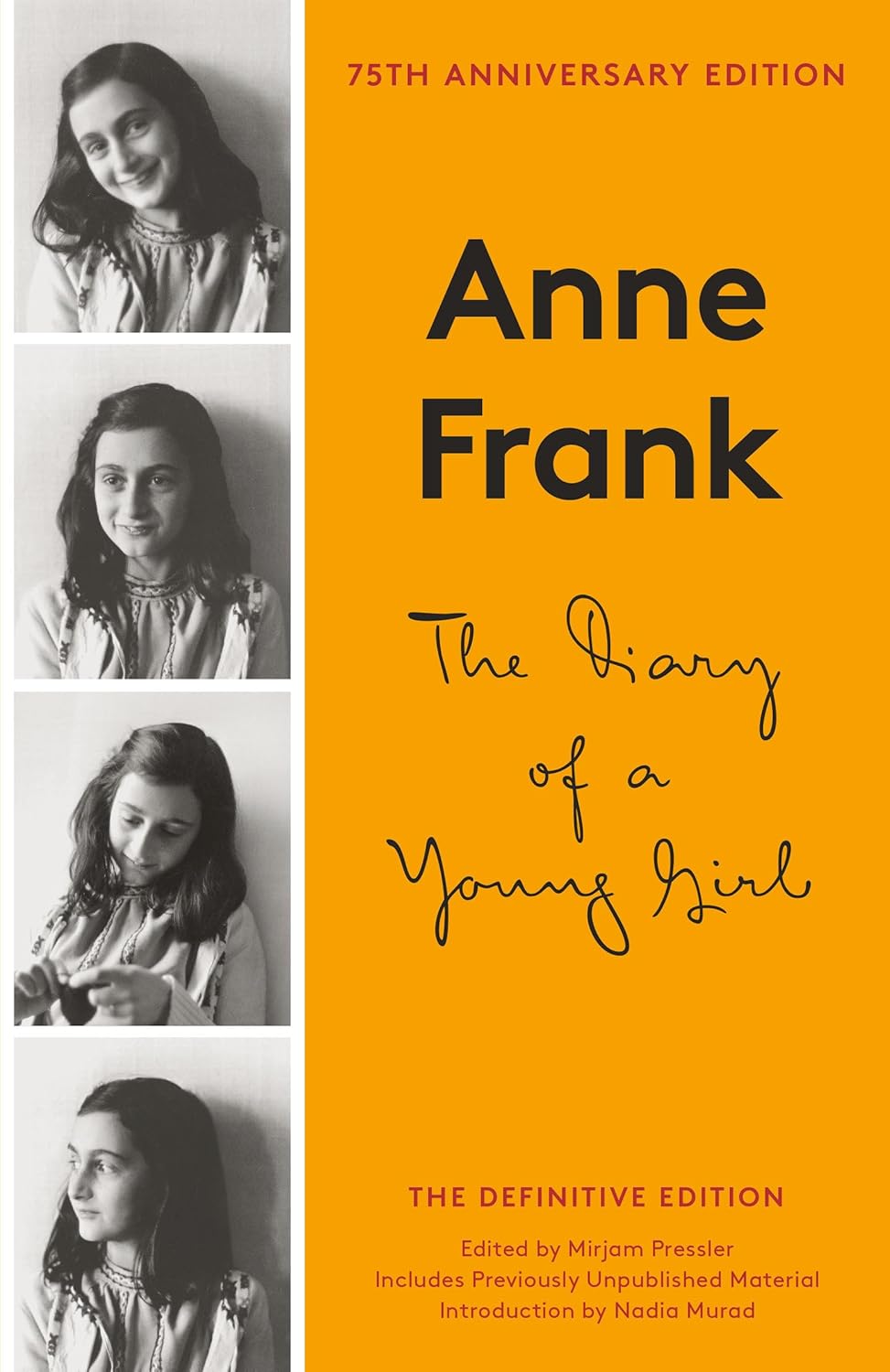
The Diary of a Young Girl

First published in 1947, Diary of a Young Girl is Anne Frank’s unflinching account of her years in hiding during the Nazi occupation of the Netherlands. Written between the ages of 13 and 15, Anne captures the claustrophobia of life in the Secret Annex alongside moments of humor, longing, and sharp self-reflection. More than a historical document, it’s a mirror held up to the human experience—offering a deeply relatable portrait of adolescence under impossible circumstances.

The Diary of a Young Girl

by Anne Frank

Ordinary life under extraordinary threat.

The Quick Look

First published in 1947, Diary of a Young Girl is Anne Frank’s unflinching account of her years in hiding during the Nazi occupation of the Netherlands. Written between the ages of 13 and 15, Anne captures the claustrophobia of life in the Secret Annex alongside moments of humor, longing, and sharp self-reflection. More than a historical document, it’s a mirror held up to the human experience—offering a deeply relatable portrait of adolescence under impossible circumstances.

  • Release Date: June 5, 1947
  • Pages: 351
  • Genre: Non-Fiction / Memoir / Historical
  • Themes: Isolation, resilience, adolescence, identity, humanity in crisis
  • Read if you like: First-person narratives, WWII history, candid coming-of-age stories
  • Best for: Readers seeking both history and humanity in one voice
  • Skip if: Don’t. It’s such an important work that everyone should read it.

Enjoyment:
Writing:
Characters:
Plot:
Readability:
Setting:

♥ ♥ ♥ ♥
♥ ♥ ♥ ♥ ♥
♥ ♥ ♥ ♥
♥ ♥ ♥
♥ ♥ ♥ ♥ ♥
♥ ♥ ♥ ♥ ♥

Enjoyment:   ♥ ♥ ♥ ♥
Writing:         ♥ ♥ ♥ ♥ ♥
Characters:   ♥ ♥ ♥ ♥
Plot:                ♥ ♥ ♥
Readability:   ♥ ♥ ♥ ♥ ♥
Setting:          ♥ ♥ ♥ ♥ ♥

The Full Review

PLOT & PACING

Anne’s diary doesn’t follow a traditional storyline—you won’t find a clear beginning, middle, and end shaped for dramatic effect. Instead, it unfolds as life actually happens: a mix of long, uneventful days; sharp spikes of tension; and occasional moments of joy. The sense of confinement is palpable—rooms described in detail, whispered conversations, the constant fear of being heard by someone who might betray them. And yet, between descriptions of rationed food and whispered arguments, there are dances, shared meals, and dreams of the future. The pacing is deliberate because the stakes are not just plot points—they’re life and death.

CHARACTER & VOICE

Anne’s voice is what transforms this diary from historical record to enduring literature. She’s clever, funny, stubborn, and deeply observant, often catching herself in contradictions and analyzing her own flaws with surprising maturity. Her relationships—especially with her parents, sister Margot, and the Van Daan family—are layered with irritation, affection, and the inevitable friction of living in such close quarters. She writes about Peter with both curiosity and adolescent confusion, capturing the awkwardness of first feelings in a place where privacy barely exists. Her humanity and vulnerability make her timeless.

STYLE & ATMOSPHERE

The tone swings between lighthearted musings and heavy reflections, often within the same entry. Anne’s gift lies in her ability to make you feel like you’re in the room with her—leaning over her shoulder as she writes by candlelight. She doesn’t shy away from her emotions, whether she’s lamenting the unfairness of the world or laughing at the quirks of her housemates. The Annex itself becomes a character: a tiny maze of cramped rooms, hidden staircases, and the constant hum of the outside world pressing in through walls and windows.

THEMES & DEPTH

Yes, it’s a record of survival during the Holocaust, but it’s also about the universal experiences of adolescence—wanting to be taken seriously, clashing with parents, feeling lonely in a crowd, aching to experience the world just outside the window. Anne reflects on human nature, morality, and justice with insight far beyond her years. She confronts the absurdity of holding onto ideals in a world that keeps shattering them, and yet she clings to those ideals because letting them go would mean giving up the fight. Her words echo with an enduring moral urgency: history isn’t abstract; it’s lived by people who could be us.

PERSONAL TAKE

When I first read this in high school, I didn’t appreciate the full weight of it. Coming back as an adult, I see not only the unimaginable circumstances but the ordinariness of the life being lived inside them. Anne’s diary is a bridge between then and now—a reminder that the people we learn about in history were once teenagers dreaming about the future, arguing over chores, and wondering if they’d ever be understood. That’s why we read Anne Frank above all others. History so often focuses on the heroic characters that we tend to overlook the ordinary, the people who could very easily be you or me. Anne Frank’s diary makes history personal.

The Final Verdict

Anne Frank’s diary isn’t just about the Holocaust—it’s about the fragility of freedom and the resilience of the human spirit. In a world still facing antisemitism, authoritarianism, and refugee crises, her words challenge us to confront prejudice, protect human rights, and value the ordinary joys we often take for granted. Her voice reminds us that history’s darkest chapters begin with small acts of intolerance—and that hope is an act of resistance.

“It is difficult in times like these: ideals, dreams, and cherished hopes rise within us, only to be crushed by grim reality. It's a wonder I haven't abandoned all my ideals, they seem so absurd and impractical. Yet, I cling to them because I still believe, in spite of everything, that people are truly good at heart.”
The Diary of a Young Girl by Anne Frank
Diary of a Young Girl
by Anne Frank
Check Out Our Recent Reviews!

Beautiful Ugly

Alice Feeney’s Beautiful Ugly is a mind-bending psychological thriller that keeps twisting until the very last page. With its oxymoronic chapter titles and shifting truths, it’s a haunting meditation on deception, perception, and the secrets we hide—even from ourselves.

Beautiful Ugly

by Alice Feeney

Love and lies. Truth and fiction. Beautiful and ugly.

Beautiful Ugly by Alice Feeney

Title:

Author:

Genre:

Page Count:

Release Date:

Enjoyment:
Writing:
Characters:
Plot:
Readability:
Setting:

Beautiful Ugly

Alice Feeney

Thriller

304

January 14, 2025

♥ ♥ ♥ ♥ ♥
♥ ♥ ♥ ♥ ♥
♥ ♥ ♥ ♥
♥ ♥ ♥ ♥ ♥
♥ ♥ ♥ ♥ ♥
♥ ♥ ♥ ♥ ♥

The Quick Look

Alice Feeney’s Beautiful Ugly is a mind-bending psychological thriller that keeps twisting until the very last page. With its oxymoronic chapter titles and shifting truths, it’s a haunting meditation on deception, perception, and the secrets we hide—even from ourselves.

  • Themes: Perception vs reality, creative fraud, isolation, grief.
  • Read if you like: Gone Girl, twisty thrillers, Scottish island settings, or stories that make you question everything you thought you knew.
  • Best for: Fans of unreliable narrators, readers who love reading about writers, or readers who enjoy the slow unraveling of truth.
  • Skip if: You need clear answers fast or don’t enjoy psychological ambiguity.

The Full Review

PLOT & PACING
The story kicks off with the disappearance of Abby Green and her husband Grady’s descent into confusion, insomnia, and writer’s block. A year later, he escapes to a remote Scottish island to reset—but instead finds a manuscript left behind by the island’s former resident writer (shades of Yellowface), and a series of eerie encounters that suggest Abby might never have truly left. The pacing is tight, the atmosphere moody, and the final act? A masterclass in unexpected twists.

CHARACTER & VOICE
Grady is a mess—in the best way. Feeney masterfully uses the unreliable narrator trope to full effect, keeping us constantly questioning his version of events. Abby, though mostly seen through memory and illusion, becomes a powerful presence. And the island? Almost a character in its own right: strange, watchful, and deeply unsettling.

STYLE & ATMOSPHERE
Feeney’s structure here is genius. Each chapter title is a contradiction—Beautiful Ugly, Definitely Maybe, Perfectly Imperfect—mirroring the dualities in how two people can perceive the same event in completely different ways. The writing walks a taut line between poetic and punchy. There’s a cold, coastal chill that seeps into every paragraph. Scotland has never felt so eerily intimate.

THEMES & DEPTH
The novel explores how people can live completely different versions of the same relationship. It asks hard questions about authenticity: in marriage, in art, and in selfhood. Can you ever really know another person? And what happens when you stop knowing yourself?

PERSONAL TAKE
This was my first Alice Feeney—and I’m hooked. The ending floored me. I genuinely didn’t see it coming, and that’s rare. But beyond the shock value, what really stayed with me was the message: that being yourself, truly and unapologetically, is the bravest thing you can do.

The Final Verdict

Beautiful Ugly is a haunting, intelligent thriller that plays with truth like a cat with string. And just when you think you’ve figured it out, it turns on the light—and you realize you never saw the full picture.

“… uniqueness is something to be celebrated, not feared or frowned upon…”
Beautiful Ugly by Alice Feeney
John Doe
Designer

Playground

In Playground, Richard Powers dives deep into the beauty and fragility of the Pacific while tangling with technology’s promise—and peril. Makatea’s reef-lined shores set the stage for a story that blends ocean conservation, board game strategy, and the rise of artificial intelligence. It’s an ambitious, idea-packed novel that soars in its exploration of the sea and stumbles in its late-game twist.

Playground

by Richard Powers

When the Deepest Waters Are Made of Code

The Quick Look

In Playground, Richard Powers dives deep into the beauty and fragility of the Pacific while tangling with technology’s promise—and peril. Makatea’s reef-lined shores set the stage for a story that blends ocean conservation, board game strategy, and the rise of artificial intelligence. It’s an ambitious, idea-packed novel that soars in its exploration of the sea and stumbles in its late-game twist.

  • Release Date: September24, 2024
  • Pages: 381
  • Genre: Literary Fiction
  • Themes: Ocean conservation, AI and creativity, loss, technology vs. nature, human connection
  • Read if you like: Tomorrow, and Tomorrow, and Tomorrow, The Social Network, Moana
  • Best for: Readers who love lush settings and philosophical what-ifs
  • Skip if: You need an ending that sticks the landing

Enjoyment:
Writing:
Characters:
Plot:
Readability:
Setting:

♥ ♥ ♥ ♥
♥ ♥ ♥ ♥
♥ ♥ ♥
♥ ♥ ♥
♥ ♥ ♥ ♥
♥ ♥ ♥ ♥ ♥

Enjoyment:   ♥ ♥ ♥ ♥
Writing:         ♥ ♥ ♥ ♥
Characters:   ♥ ♥ ♥
Plot:                ♥ ♥ ♥
Readability:   ♥ ♥ ♥ ♥ 
Setting:          ♥ ♥ ♥ ♥ ♥

The Full Review

SPOILERS AHEAD!!!

PLOT & PACING
From its opening chapters, Playground is an intricate dance between ocean science, game theory, and human longing. Powers draws you in with a narrative that feels vast but controlled—four lives converging on the tiny island of Makatea as it faces a vote that could change its future forever. The pace is deliberate, giving space for the reader to absorb the island’s ecology, the subtle politics of seasteading, and the inner landscapes of each character. For much of the novel, the tension builds in steady, satisfying waves—until the reveal that the Makatea storyline was AI-generated knocks the wind out of its sails. It’s a move that reframes the entire book, and while it’s intellectually intriguing, it lands as an emotional undercut, leaving the final pages feeling smaller than the journey that led there.

CHARACTER & VOICE
Evelyne Beaulieu’s chapters are where the book truly breathes—her dives, her meditations on cuttlefish courtship, and her reverence for the ocean carry a kind of quiet electricity. Through her, Powers captures both the wonder and the ache of studying a world in peril. Todd Keane, the tech mogul behind Playground, is complex in conception but often frustrating in execution; his faith in AI as a vessel for immortality makes him fascinating, if not always sympathetic. Rafi Young and Ina Aroita provide texture, connection, and grounding, but their arcs sometimes feel secondary, more like satellites than stars. Still, each voice adds a distinct current to the novel’s tide.

STYLE & ATMOSPHERE
Powers writes with the precision of a scientist and the soul of a poet. The reefs are alive with color, the waters hum with life, and Makatea’s limestone cliffs seem to glow on the page. His prose balances technical detail with lyrical sweep, making the science as compelling as the story. The ocean emerges as the book’s most consistent character—steady, ancient, and unaltered by human ego. Even when the plot falters, the sensory richness of the writing keeps you immersed.

THEMES & DEPTH
At its core, Playground isn’t just about AI—it’s about the boundaries of creation itself. Powers questions whether true originality is possible without lived experience, and whether technology can ever be more than an echo chamber for human thought. The environmental thread is urgent but never preachy, underscoring the fragile beauty of ecosystems and the ethical quagmire of exploiting them. The late-game AI twist doubles as a commentary on the limits of simulation, suggesting that the soul of art lies in its imperfections. It’s here that the novel’s ideas resonate most deeply, even if the delivery is uneven.

PERSONAL TAKE
For most of the book, I was enthralled—hooked by the layered structure, the intellectual chess match between characters, and Evelyne’s unflinching devotion to the sea. Powers gave me the sensation of holding something rare and intricate, like a shell you’re afraid to drop. Then the twist hit, and that shell cracked—revealing something clever, but not nearly as beautiful as what I thought I had. The disappointment lingers, but so does the conversation it sparks: about what AI can and can’t do, and about the irreplaceable value of human perspective. It’s a rare novel that leaves me conflicted in this way, both admiring the ambition and mourning the loss of what might have been.

The Final Verdict

A breathtaking setting, a thought-provoking premise, and a handful of unforgettable chapters. Playground asks big questions about creativity, mortality, and the cost of progress—though its late reveal may leave some readers adrift.

"Is a thing still garbage, once life starts using it?"
Playground by Richard Powers
Playground
by Richard Powers
Check Out Our Recent Reviews!

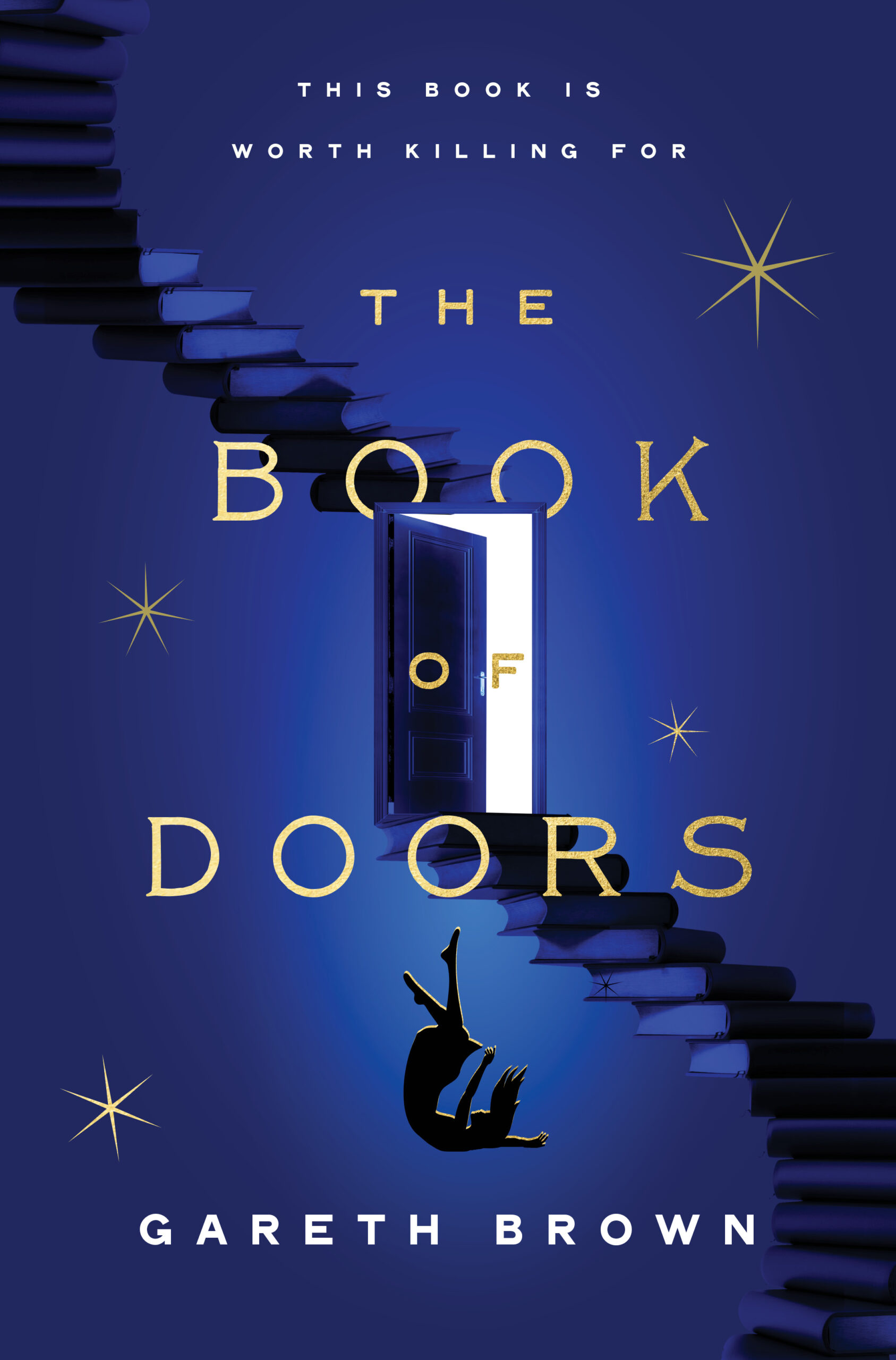
The Book of Doors

What if you could open a door and step into another life—would you risk everything to find out what’s on the other side?

The Book of Doors

by Gareth Brown

Reads like Narnia met Fight Club in a library and made a questionable life choice.

The Book of Doors

Title:

Author:

Genre:

Page Count:

Release Date:

Enjoyment:
Writing:
Characters:
Plot:
Readability:
Setting:

The Book of Doors

Gareth Brown 

Fantasy / Speculative Fiction

400

February 13, 2024

♥ ♥ ♥ ♥ ♥
♥ ♥ ♥ ♥ 
♥ ♥ ♥ ♥ 
♥ ♥ ♥ ♥ ♥
♥ ♥ ♥ ♥ ♥
♥ ♥ ♥ ♥ 

The Quick Look

What if you could open a door and step into another life—would you risk everything to find out what’s on the other side?

  • Themes: Choice, Fate, the Power of Stories, Alternate Realities
  • Read If You Like
    • Doctor Who
    • The Midnight Library by Matt Haig
    • portal fantasies
    • books about books
  • Best For: Fans of magical realism, multiverse stories, and books that feel like treasure hunts
  • Skip If: You hate nonlinear narratives or need everything fully explained

The Full Review

PLOT & PACING
The Book of Doors is ingeniously crafted, spinning a story that’s as twisty as it is absorbing. It starts grounded but quickly unfolds into a mind-bending, multi-reality adventure. The plot doesn’t just hook you—it grabs you by the collar and yanks you through a series of doors you didn’t even know existed. Think: big ball of wibbly-wobbly, timey-wimey stuff—but with books.

CHARACTER & VOICE
The cast is compelling, with main characters who feel both ordinary and extraordinary. There’s a quiet vulnerability in the protagonist’s journey that keeps you emotionally tethered, even as the story veers into the surreal.

The real MVP? The mysterious and slightly untrustworthy librarian figure (you’ll know them when you meet them).

STYLE & ATMOSPHERE
Brown’s prose walks the line between clean and lyrical—never overwrought, but richly atmospheric. He builds a world that feels both familiar and uncanny, like walking through your favorite bookstore only to find a trapdoor to a parallel universe.

THEMES & DEPTH
At its heart, this is a story about choice, consequence, and the stories we tell ourselves to make sense of chaos. It raises deep questions about identity and destiny, without ever slowing the pace for long-winded reflection.

PERSONAL TAKE
I chose this book based solely on its cover. I didn’t even read the summary beforehand, so I went in completely blind!

I’m happy to report that I wasn’t disappointed. The concept is brilliant, the execution tight, and the emotional resonance lingered long after I closed the cover. It’s a book lover’s book—clever, surprising, and full of wonder. I’m not sure I’ll ever read another book quite like it. 

The Final Verdict

A clever, twisty portal fantasy that feels like Doctor Who crashed into The Midnight Library — with a library card and a sense of existential awe.

"I am firmly of the view that more people in this world could use their brains more often, but my dear, if anyone needs to think less about things, it is you."
Mr. Webber, to Cassie
The Book of Doors

Spoilers below...

Desperate to know more about the power these books hold?

The Book of Doors

POWER
Allows the reader to open any door and travel instantly to another place—even across realities or timelines. 

NOTES

This is the central magical artifact. Its powers are vast and mysterious, and it doesn’t come with an instruction manual.

POWER
Allows the reader to manipulate or control shadows—both literal and metaphorical. This includes cloaking, concealment, and possibly influencing people through their emotional or psychic “shadows” (fears, regrets, secrets).

NOTES
This book is not to be trifled with. It seems to have a will of its own and is strongly associated with deception, manipulation, and hidden agendas. Those who use it often find themselves changed—or consumed—by the darkness it touches. It’s unclear whether the book reveals shadows or creates them… and that’s kind of the problem.

POWER
Can reveal, alter, or erase memories.

NOTES
This one raises serious ethical questions—memories shape identity, after all.

POWER
Bends probability in the reader’s favor. With it, things just happen to go your way—dice rolls, coin tosses, chance encounters, narrowly avoided disasters. Luck becomes an active force, subtly shaping events around you.


NOTES
At first, it seems harmless—who wouldn’t want a little extra luck? But over time, the book’s influence can distort reality. The line between earned success and magical cheating gets blurry. Users may become reckless or overconfident, forgetting that luck always has limits… and consequences. Also, there’s the nagging question: if you win because the book helped, did you really win?

POWER 
Grants the ability to ease emotional pain and bring comfort, joy, and peace to others—offering what they need most on a spiritual or emotional level.

NOTES
Unlike the more overt or dangerous books, the Book of Joy’s magic is gentle and restorative. It’s tied to healing, kindness, and quiet transformation rather than control or spectacle.

POWER
Restores health, both physical and emotional. It can mend wounds, cure illness, and even ease grief or trauma.

NOTES
Gentler than most, but still complex. Healing isn’t always straightforward—this book may require emotional vulnerability or cost the reader something in return. It’s often misunderstood as “safe,” but true healing can be painful before it’s soothing. Some say the book chooses who and how to heal, regardless of the reader’s intention.

POWER
Forces honesty or reveals hidden truths.

NOTES
Invaluable—and potentially brutal.

POWER
Manipulates time—pauses, rewinds, accelerates, or loops it.

NOTES

Extremely unstable. Small changes can ripple into chaos. Possibly one of the rarest and most guarded books in the collection.

The Book of Pain

POWER
Inflicts physical or emotional pain on others—or possibly amplifies their existing pain. Can also force the reader to relive their own trauma.

NOTES
Not just a weapon, but a psychological tool. In the wrong hands (which is basically any hands), it becomes a form of torture. Even reading from it feels like an emotional violation. Definitely not meant for casual use.

POWER
Manipulates the will of others—thoughts, emotions, decisions. Essentially a magical form of mind control.

NOTES
One of the most ethically troubling books. Using it robs people of agency, even if the intentions seem good. A book like this doesn’t just tempt—it corrupts. The longer it’s used, the harder it is to stop.

POWER
Creates convincing illusions—sights, sounds, even sensations. Can disguise people, objects, or entire environments.

NOTES
Reality becomes bendable, which makes this book perfect for deception, misdirection, or emotional manipulation. It’s flashy, but also dangerous—it’s easy to lose track of what’s real, even for the reader.

POWER
Induces overwhelming hopelessness or emotional collapse in others. Can drain joy, motivation, or the will to go on.

NOTES
Dark, subtle, and horrifying. It doesn’t attack the body—it erodes the soul. Some readers report feeling its effects just by being near it. Possibly the most dangerous of all, because its effects can’t always be seen until it’s too late.

POWER 
Can put people to sleep instantly, or manipulate their dreams.

NOTES
Subtle and dangerous in the wrong hands—use with caution.

POWER
Lets the reader see things not visible to the naked eye—hidden truths, magical auras, or even glimpses into other worlds.

NOTES
Might show more than you want to see.

POWER
Possibly allows communication with the dead—or worse, resurrection.

NOTES
Rare, feared, and possibly forbidden.

POWER
Can trap or bind people, creatures, or even concepts.

NOTES
Dangerous in the wrong hands; used for control or imprisonment.

The Book of Matter

POWER
Grants the ability to manipulate physical objects and materials—altering, reshaping, or moving matter at will.

NOTES
This is one of the more tangible and potentially dangerous books. Its power can be used for creation or destruction, depending on the user’s intent. It represents control over the physical world and is especially potent when combined with intelligence or ambition. Unlike the more emotional or symbolic books, the Book of Matter is rooted in raw, physical transformation.

POWER
Self-explanatory—summons and controls fire.

NOTES
Highly destructive. Best not left lying around.

POWER
Allows the user to manipulate light—both literally (illumination, visibility) and metaphorically (truth, clarity, perception). It can reveal what is hidden and dispel illusions or darkness, both physical and emotional.

NOTES
The Book of Light is deeply symbolic. Its magic is tied to knowledge, revelation, and hope. It’s less about raw power and more about insight—helping people see things clearly, whether that’s a physical path forward or a deeper understanding of a situation or themselves.

POWER
Grants the user extraordinary speed—both physical quickness and heightened reflexes—allowing them to move, think, and react faster than normal human limits.

NOTES
Its effects go beyond just running fast; it enhances agility, combat ability, and possibly even mental processing. It’s a tool of precision and action, often suited for those in high-risk or physically demanding situations. Unlike some of the other books, its magic is kinetic and outwardly impressive, often used in moments of urgency or danger.

POWER
Creates or controls mist and fog—literal or metaphorical. It can obscure sight, sound, and even memory or time. Some versions suggest it can veil entire places or moments from perception.

NOTES
This book is all about concealment, confusion, and transition. It’s used to hide, escape, or blur reality. Those caught in its mist may lose their way—physically or mentally. There’s a dreamlike, almost liminal quality to its effects, making it both beautiful and unsettling. Readers report that time feels strange when the book is active… as if reality itself gets a little foggy.

POWER
Controls water and weather.

NOTES
More than just storms; some versions suggest emotional or symbolic resonance.

POWER
Allows the reader to change their appearance—or adopt someone else’s entirely. This includes physical features, voice, and possibly even mannerisms or surface-level memories.

NOTES
It’s the ultimate disguise, but also a fast track to an identity crisis. Prolonged use can blur the line between self and façade. Some users report forgetting who they really are underneath the mask. There’s a seductive quality to this book—it lets you become anyone, which makes it a favorite of spies, thieves… and liars.

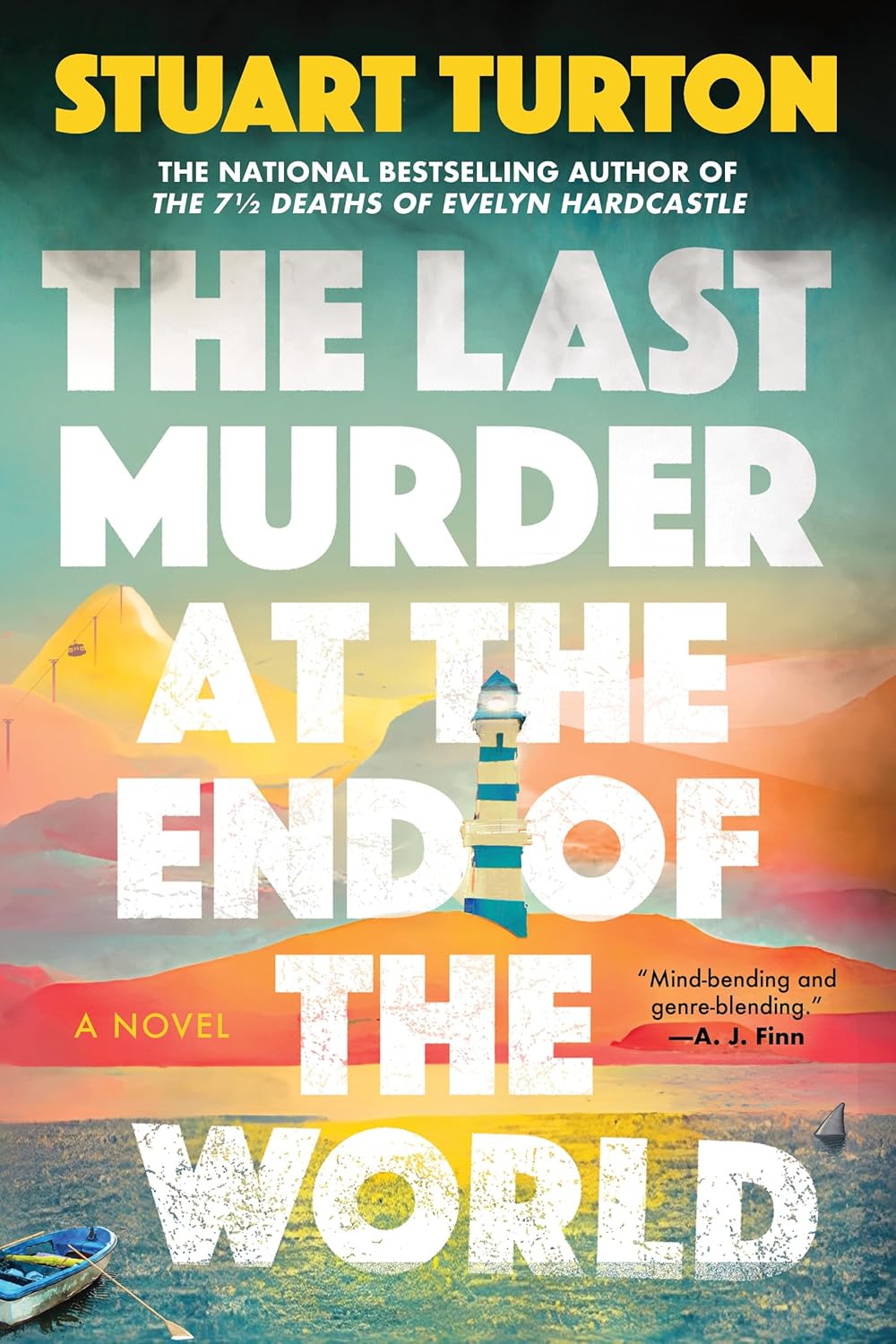
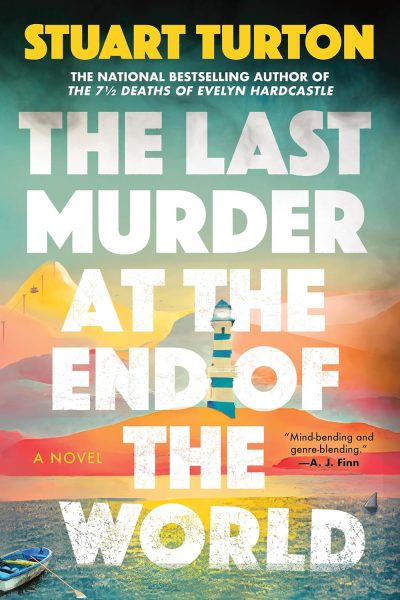
The Last Murder at the End of the World

In The Last Murder at the End of the World, Stuart Turton blends post-apocalyptic survival with locked-room mystery—resulting in a cerebral, genre-defying novel that’s equal parts science fiction and whodunit. If The 7½ Deaths of Evelyn Hardcastle left you spinning (in a good way), prepare for another wild ride.

The Last Murder at the End of the World

by Stuart Turton

A murder mystery. A dying world. And one final truth left to uncover.

The Last Murder at the End of the World by Stuart Turton

Title:

Author:

Genre:

Page Count:

Release Date:

Enjoyment:
Writing:
Characters:
Plot:
Readability:
Setting:

The Last Murder at the End of the World

Stuart Turton

Post-Apocalyptic, Sci-Fi, Mystery

343

May 21, 2024

♥ ♥ ♥ ♥
♥ ♥ ♥ ♥
♥ ♥ ♥ ♥
♥ ♥ ♥ ♥
♥ ♥ ♥
♥ ♥ ♥ ♥

The Quick Look

In The Last Murder at the End of the World, Stuart Turton blends post-apocalyptic survival with locked-room mystery—resulting in a cerebral, genre-defying novel that’s equal parts science fiction and whodunit. If The 7½ Deaths of Evelyn Hardcastle left you spinning (in a good way), prepare for another wild ride.

  • Themes: Dystopia, morality, memory, survival, collective guilt
  • Read if you like: Agatha Christie in space, An Absolutely Remarkable Thing, Children of Time, existential sci-fi
  • Best for: Readers who love twisty mysteries and don’t mind working for the payoff
  • Skip if: You want quick answers, linear timelines, or traditional pacing

The Full Review

PLOT & PACING
The world is gone. What remains is a tiny, isolated island governed by a collective intelligence—and bound by rules designed to protect humanity from itself. When the only person capable of maintaining the status quo is murdered, the system begins to collapse.
Turton unspools the mystery with deliberate slowness, building tension through claustrophobia, paranoia, and the erosion of truth. It’s not fast-paced, but the suspense simmers. And if you think you know where it’s going—you don’t.

CHARACTER & VOICE
The characters here are harder to connect with than in Evelyn Hardcastle, but they still shine. Each one is shaped by trauma, guilt, and the pressure of perfection in a society built on suppression. The protagonist’s voice wrestles with memory and morality—how much of the past should be remembered, and at what cost?

STYLE & ATMOSPHERE
Turton’s writing is thoughtful and layered, leaning into mood and slow revelation rather than flash. The atmosphere is eerie and contained—like a pressure cooker ready to blow. Though the sci-fi elements are prominent, it still feels grounded in human emotion, making the strange setting feel surprisingly relatable.

 THEMES & DEPTH
This isn’t just a mystery—it’s a study in control, violence, and moral erosion. What does it mean to protect humanity from itself? Is forgetting the past the only way to secure the future? Turton digs into these questions with chilling clarity, but never sacrifices mystery for message.

PERSONAL TAKE
Drew: I found the pacing slow and the world so layered it was sometimes hard to fully visualize—but the ideas stuck with me. Turton doesn’t spoon-feed anything.
Jenni: It was weird, but weird in a good way. The kind of weird that keeps you thinking long after you finish.
Together, we agreed: this book is frustrating and brilliant, messy and beautiful. And absolutely worth reading.

The Final Verdict

A strange, slow-burning mystery set in a world on the brink of collapse. It’s about memory, morality, and the stories we tell to survive. Weird, wild, and unforgettable.

"'Why doesn’t anybody question anything?' she asks her grandfather, focusing on him once again. 'They like being happy,' he says softly.'"
The Last Murder at the End of the World by Stuart Turton
The Last Murder at the End of the World
by Stuart Turton