His & Hers Book Reviews

Incidents Around the House

Properly terrifying, emotionally raw, and eerily believable—Incidents Around the House is the kind of horror that lingers in the corner of your eye long after the final page.

Incidents Around the House

by Josh Malerman

Some secrets won’t stay buried—they wait... and they watch.

Incidents Around the House by Josh Malerman

Title:

Author:

Genre:

Page Count:

Release Date:

Enjoyment:
Writing:
Characters:
Plot:
Readability:
Setting:

Incidents Around the House

Josh Malerman

Horror

384

June 5, 2024

♥ ♥ ♥ ♥
♥ ♥ ♥
♥ ♥ ♥ ♥
♥ ♥ ♥ ♥
♥ ♥ ♥
♥ ♥ ♥ ♥

The Quick Look

Told entirely through the eyes of 8-year-old Bela, Incidents Around the House is a masterclass in creeping dread. It’s the kind of horror that doesn’t rely on gore or jump scares—it burrows under your skin and stays there. With a terrifying entity known only as “Other Mommy,” and a family unraveling under the weight of secrets, Josh Malerman delivers one of the most unsettling reads of the year.

  • Themes: Family secrets, childhood fear, inherited trauma, the danger of what’s left unsaid.
  • Read if you like: The Babadook, Hereditary, creepy dolls and creepier parents, or horror with an emotional core.
  • Best for: Readers who enjoy psychological horror, child narrators done well, or anyone looking to be properly unnerved.
  • Skip if: You prefer clear-cut explanations, hate unreliable narration, or can’t handle child-in-peril stories.

HEADS UP: This one doesn’t use quotation marks. Personally, I recommend listening to this one. The reader does a phenomenal job.

The Full Review

PLOT & PACING
Bela is a young girl haunted by “Other Mommy”—a sinister figure who whispers terrifying things and wants to “go into her heart.” Told exclusively from Bela’s point of view, the story unfolds with limited understanding, making every moment more chilling. Layered on top of the supernatural is the slow unspooling of family secrets, some of which are revealed in nighttime confessions whispered at the foot of Bela’s bed. The pacing is deliberately slow, feeding the dread drip by drip until you’re begging for release.

CHARACTER & VOICE
Bela is one of the most believable child narrators I’ve read in horror. Her confusion, her innocence, her attempts to make sense of a world filled with shadows—it’s heartbreaking and chilling. The audiobook’s voice actress nails this balance, grounding Bela in reality while letting the terror leak through. The adults around her—especially her parents—are painted with growing unease. Their inability to protect, explain, or even behave like grown-ups makes the horror feel even more helpless.

STYLE & ATMOSPHERE
Malerman’s prose is simple but effective, perfectly suited to a child’s narration. The atmosphere is thick with tension and claustrophobia. There’s something off in every scene—an uncanny wrongness that builds with each page. If The Babadook got under your skin, this one will burrow even deeper.

THEMES & DEPTH
This is more than a haunted house story. It’s a quiet, aching look at how children inherit fear and trauma from sources they often don’t understand. The horrors here aren’t just supernatural—they’re rooted in what parents hide, what they refuse to say aloud, and what they think their children can’t hear. Incidents Around the House is about the dangers of secrets and the devastating ways they echo through a family.

PERSONAL TAKE
I listened to this one on audio, and the narrator brought Bela fully to life. It was unnerving, intimate, and—at times—devastating. “Other Mommy” is easily one of the creepiest horror creations I’ve encountered in a while. I don’t think I’ll ever forget her voice. This isn’t flashy horror. It’s slow, strange, and so deeply unsettling. I was uncomfortable the entire time… and I mean that as a compliment.

The Final Verdict

Properly terrifying, emotionally raw, and eerily believable—Incidents Around the House is the kind of horror that lingers in the corner of your eye long after the final page.

“If you think about it, every time you’ve ever been scared in your life so far, you’ve also survived whatever you were scared of. Right? You’ve literally gotten through everything you thought you might not. Everything you thought you weren’t strong enough to get through…you got through it. Or else you wouldn’t be here to know you got through it. Right?”
Incidents Around the House by Josh Malerman
Incidents Around the House
by Josh Malerman

The Midnight Library

Thought-provoking and quietly uplifting, The Midnight Library is a story that wanders between lives, but always returns to one simple truth: being alive, even imperfectly, is enough. This is fiction for the soul—gentle, philosophical, and full of heart.

The Midnight Library

by Matt Haig

What if there were a different version of you behind every regret?

The Midnight Library by Matt Haig

Title:

Author:

Genre:

Page Count:

Release Date:

Enjoyment:
Writing:
Characters:
Plot:
Readability:
Setting:

The Midnight Library

Matt Haig

Speculative/Philosophical Fiction

288

August 13, 2020

♥ ♥ ♥ ♥ ♥
♥ ♥ ♥ ♥
♥ ♥ ♥ ♥ ♥
♥ ♥ ♥ ♥ ♥
♥ ♥ ♥ ♥ ♥
♥ ♥ ♥ ♥

The Quick Look

Thought-provoking and quietly uplifting, The Midnight Library is a story that wanders between lives, but always returns to one simple truth: being alive, even imperfectly, is enough. This is fiction for the soul—gentle, philosophical, and full of heart.

  • Themes: Regret, choice, the impact we have on others, self-worth, second chances.
  • Read if you like: It’s a Wonderful Life, sliding-door stories, emotional self-discovery, or books that ask big questions with a light touch.
  • Best for: Readers seeking a hopeful story that wrestles with dark thoughts but never loses its grip on light.
  • Skip if: You prefer fast-paced plot-driven stories, or don’t enjoy books that lean into philosophical reflection.

The Full Review

PLOT & PACING
The story begins in the moments after Nora Seed decides she no longer wants to live. But instead of death, she finds herself in a magical library between life and death. Each book on its shelves contains a different version of her life—paths she could’ve taken, regrets she’s carried. As she tries on each one, Nora begins to understand the value of her own life and the countless ways we unknowingly affect others. The structure is episodic but consistently engaging, especially as the emotional stakes build.

CHARACTER & VOICE
Nora is a beautifully rendered protagonist. Her voice is vulnerable, sharp, and deeply human. She feels like someone you could meet at the grocery store—or be yourself on a bad day. Her journey is one of the most tender and convincing character arcs in recent memory. The supporting characters don’t always feel fully fleshed out, but they serve their roles well as reflections of Nora’s inner struggles and possibilities.

STYLE & ATMOSPHERE
Haig’s prose is clean and accessible, never showy. That simplicity allows the emotional beats to land more deeply. The tone is gentle, almost therapeutic at times, without veering into sentimentality. It’s a comforting read, even as it explores painful territory.

THEMES & DEPTH
Regret, self-worth, and the power of choice are the novel’s core pillars. Haig draws a compelling connection between philosophical inquiry and lived experience. What makes a life worth living? Can a single choice really define us? The book never pretends to have all the answers—but it asks the questions in ways that linger.

PERSONAL TAKE
I loved this book. Truly. It felt like a balm—like a conversation I needed to have. I’m surprised it didn’t resonate more deeply with everyone, but for me, it hit every note. If you’ve ever felt the tug of regret or wondered “what if?” The Midnight Library will speak to you. Maybe even save you, a little.

The Final Verdict

A quiet, life-affirming novel about regrets, resilience, and how the smallest lives can cast the longest shadows.

“If you aim to be something you are not, you will always fail. Aim to be you. Aim to look and act and think like you. Aim to be the truest version of you. Embrace that you-ness. Endorse it. Love it. Work hard at it. And don't give a second thought when people mock it or ridicule it. Most gossip is envy in disguise.”
The Midnight Library by Matt Haig
The Midnight Library
by Matt Haig

Spells for Forgetting

An overly convoluted plot about a pair of lovers who want to be together, but split apart by meddling island dwellers.

Spells for Forgetting

by Adrienne Young

An island full of secrets, a love torn apart, and a mystery that meanders more than it mesmerizes.

Spells for Forgetting by Adrienne Young

Title:

Author:

Genre:

Page Count:

Release Date:

Enjoyment:
Writing:
Characters:
Plot:
Readability:
Setting:

Spells for Forgetting

Adrienne Young

Magical Realism

346

September 27, 2022

♥ ♥ ♥
♥ ♥ ♥
♥ ♥ ♥
♥ ♥
♥ ♥ ♥ ♥
♥ ♥ ♥ ♥

The Quick Look

Adrienne Young has a talent for conjuring atmosphere, and Spells for Forgetting offers a beautifully witchy setting—but the spell doesn’t quite hold. Despite its moody backdrop and hints of magic, this novel drifts more than it drives, bogged down by a plot that takes too long to find its footing.

  • Themes: Bonded love, witchiness, maintaining power, the toxicity of lies.
  • Read if you like: Slow-burn mysteries, books with a strong sense of place, island folklore and generational secrets.
  • Best for: Readers who value atmosphere over action or want a cozy, if slightly brooding, read.
  • Skip if: You need tightly paced plotting, active characters, or a mystery that actually feels urgent.

The Full Review

PLOT & PACING
The novel centers on Emery and August, two former lovers whose bond is tested when August returns to the island years after a tragedy drove them apart. The narrative hints at secrets, magic, and betrayal—but takes far too long to deliver on its promises. Most of the first two-thirds feel adrift, and the plot only picks up in the final 100 pages. By then, the resolution feels more like an afterthought than a satisfying payoff.

CHARACTER & VOICE
While Young excels at creating a sense of place, her characters here never fully leap off the page. Emery and August are sympathetic in theory, but emotionally distant in practice. Their love is central to the plot, but its spark is rarely felt. The side characters, too, blur together, more whispers in the wind than compelling voices.

STYLE & ATMOSPHERE
The prose is readable and often lovely, especially in descriptions of the island’s natural beauty and subtle magic. The mood is a strength—moss-draped trees, salt air, and whispered spells give the setting its own pulse. If only the story itself pulsed with equal force.

THEMES & DEPTH
The novel aims to explore themes of memory, love, lies, and the corrosive effects of unresolved grief and guilt. But the execution feels scattered. There are threads of magic, of power passed down through generations, but they never coalesce into something sharp or clear. The story has the bones of a haunting tale, but never quite casts a compelling enchantment.

PERSONAL TAKE
I wanted to like this more—especially after loving The Unmaking of June Farrow. But Spells for Forgetting didn’t quite work for me. It’s not without its charm, and fans of atmospheric reads might enjoy the slow, moody burn. Still, the meandering plot and emotional distance left me more cold than captivated.

The Final Verdict

A gorgeously eerie setting and hints of magic can’t quite save this novel from its plodding pace and underdeveloped characters. Not terrible—just forgettable.

“I’ve lived enough years now to know that there were some ghosts that haunted you forever. Saoirse had secrets, yes. But so did we.”
Spells for Forgetting by Adrienne Young
Spells for Forgetting
Adrienne Young

Upgrade

Humanity has brought itself to the brink of destruction but one man, grappling with his own humanity, may have the answer. This is Blake Crouch at his thrilling best.

Upgrade

by Blake Crouch

When survival means losing what makes you human—what do you choose?

Upgrade by Blake Crouch

Title:

Author:

Genre:

Page Count:

Release Date:

Enjoyment:
Writing:
Characters:
Plot:
Readability:
Setting:

Upgrade

Blake Crouch

Sci-Fi

337

July 7, 2022

♥ ♥ ♥ ♥ ♥
♥ ♥ ♥ ♥
♥ ♥ ♥ ♥
♥ ♥ ♥ ♥ ♥
♥ ♥ ♥ ♥ ♥
♥ ♥ ♥ ♥

The Quick Look

Slick, smart, and unrelenting, Upgrade is Crouch’s boldest sci-fi yet. It asks questions as big as its action scenes: Can compassion outpace evolution? And if we engineer ourselves to survive, what do we lose in the process?

  • Themes: What it means to be human, survival of the species, intelligence vs. compassion.
  • Read if you like: Dark Matter, Project Hail Mary, Michael Crichton-style science thrillers.
  • Best for: Readers who love cerebral thrillers with heart, fans of near-future bioethics and action, or anyone who wants their sci-fi to mean something.
  • Skip if: You’re not into science-heavy explanations, genetic tinkering, or moral ambiguity.

The Full Review

PLOT & PACING
In a future rocked by ecological collapse and genetic disasters, Logan Ramsay wakes up… upgraded. Faster, smarter, stronger—but haunted by the consequences. The plot barrels forward with high-stakes chase scenes and ethical dilemmas that never let up. It’s as thrilling as it is thought-provoking.

CHARACTER & VOICE
Logan is a fascinating protagonist—not because of his superhuman skills, but because of his deep, persistent humanity. His compassion, not his intellect, becomes the key to the story. Crouch smartly centers emotion even in a genetically altered mind, and the result is both gripping and unexpectedly moving.

STYLE & ATMOSPHERE
Crouch’s prose is lean and propulsive. The science is dense but accessible, and the tension is ever-present. The atmosphere is futuristic, yes, but eerily plausible—making the stakes feel all the more urgent. It’s an apocalypse you can see from here.

THEMES & DEPTH
The book explores the line between adaptation and erasure: When we edit ourselves for survival, do we overwrite what made us human in the first place? Crouch balances the science with soul, forcing the reader to consider what defines humanity—our intelligence, or our empathy?

PERSONAL TAKE
I’ve read Dark Matter and Recursion—but Upgrade might be my favorite. It’s ambitious, relevant, and incredibly readable. Crouch is asking questions that matter and delivering them with adrenaline. This is sci-fi with substance, and I’d recommend it to just about anyone.

The Final Verdict

Part action-thriller, part philosophical gut punch, Upgrade is a smart, sobering look at the future we might engineer—and the humanity we must fight to preserve.

“We don’t have an intelligence problem. We have a compassion problem. That, more than any other single factor, is what’s driving us toward extinction.”
Upgrade by Blake Crouch
Upgrade
by Blake Crouch

Five-Star Stranger

A brief, piercing look at connection, Five-Star Stranger explores the complicated emotional undercurrents beneath seemingly surface-level relationships. Kat Tang’s debut is both sharp and sparse, examining what it means to be needed—and what happens when that need fades.

Five-Star Stranger

by Kat Tang

How real are relationships built on transaction—and can they ever be anything more?

Five-Star Stranger by Kat Tang

Title:

Author:

Genre:

Page Count:

Release Date:

Enjoyment:
Writing:
Characters:
Plot:
Readability:
Setting:

Five-Star Stranger

Kat Tang

Contemporary Fiction

227

August 6, 2024

♥ ♥ ♥ ♥
♥ ♥ ♥ ♥
♥ ♥ ♥ ♥
♥ ♥ ♥
♥ ♥ ♥ ♥
♥ ♥ ♥

The Quick Look

A brief, piercing look at connection, Five-Star Stranger explores the complicated emotional undercurrents beneath seemingly surface-level relationships. Kat Tang’s debut is both sharp and sparse, examining what it means to be needed—and what happens when that need fades.

  • Themes: Transactional relationships, disappointment, indifference, loneliness.
  • Read if you like: Short novels that sit in the discomfort, emotionally distant protagonists, or stories that leave more questions than answers.
  • Best for: Fans of literary fiction with a minimalist style and character-driven storytelling.
  • Skip if: You need a tidy resolution, a tightly plotted story arc, or a sense of emotional closure.

The Full Review

PLOT & PACING
At just over 200 pages, this is a fast read—but that doesn’t mean it’s easily digestible. The story centers around a transactional arrangement and how emotional lines blur over time. There’s a sense of drifting, of lives circling each other without ever truly colliding. It’s more mood than momentum, with an ending that feels intentionally unresolved.

CHARACTER & VOICE
The characters here aren’t especially warm or likable, but they are honest. Tang’s protagonist is often emotionally detached—until he isn’t. That tension gives the novel its pulse. Even when little is said aloud, the quiet ache of wanting to matter to someone simmers under the surface.

STYLE & ATMOSPHERE
Tang’s prose is minimal and precise. There’s a restraint to the writing that mirrors the emotional guardedness of the characters. It feels like a literary MFA piece in both strengths and shortcomings—clever, clean, and a little underdeveloped in its final act. It just doesn’t feel quite… finished.

THEMES & DEPTH
This book is about loneliness—the kind that lingers even when you’re not technically alone. Like being surrounded at a crowded party or in a packed restaurant… but still, alone. It questions what we expect from others in our most vulnerable moments, and whether connection can thrive when built on inherently unequal ground. It doesn’t give clean answers, but it does make you sit with the questions.

PERSONAL TAKE
I appreciated what Five-Star Stranger was trying to do. It doesn’t wrap itself in bows, and that feels true to life. Still, I found myself wishing for a little more closure or emotional payoff. I’d recommend it, but with a caveat—it’s interesting, thoughtful, and well-written, but won’t be for everyone.

The Final Verdict

An introspective debut that values mood over movement—this one might not hit hard, but it lingers quietly in the background.

"All I was doing was making myself useful so that I might be loved, but I was nothing but a leech simpering for a taste of adjacent happiness."
Five-Star Stranger by Kat Tang
Five-Star Stranger
by Kat Tang

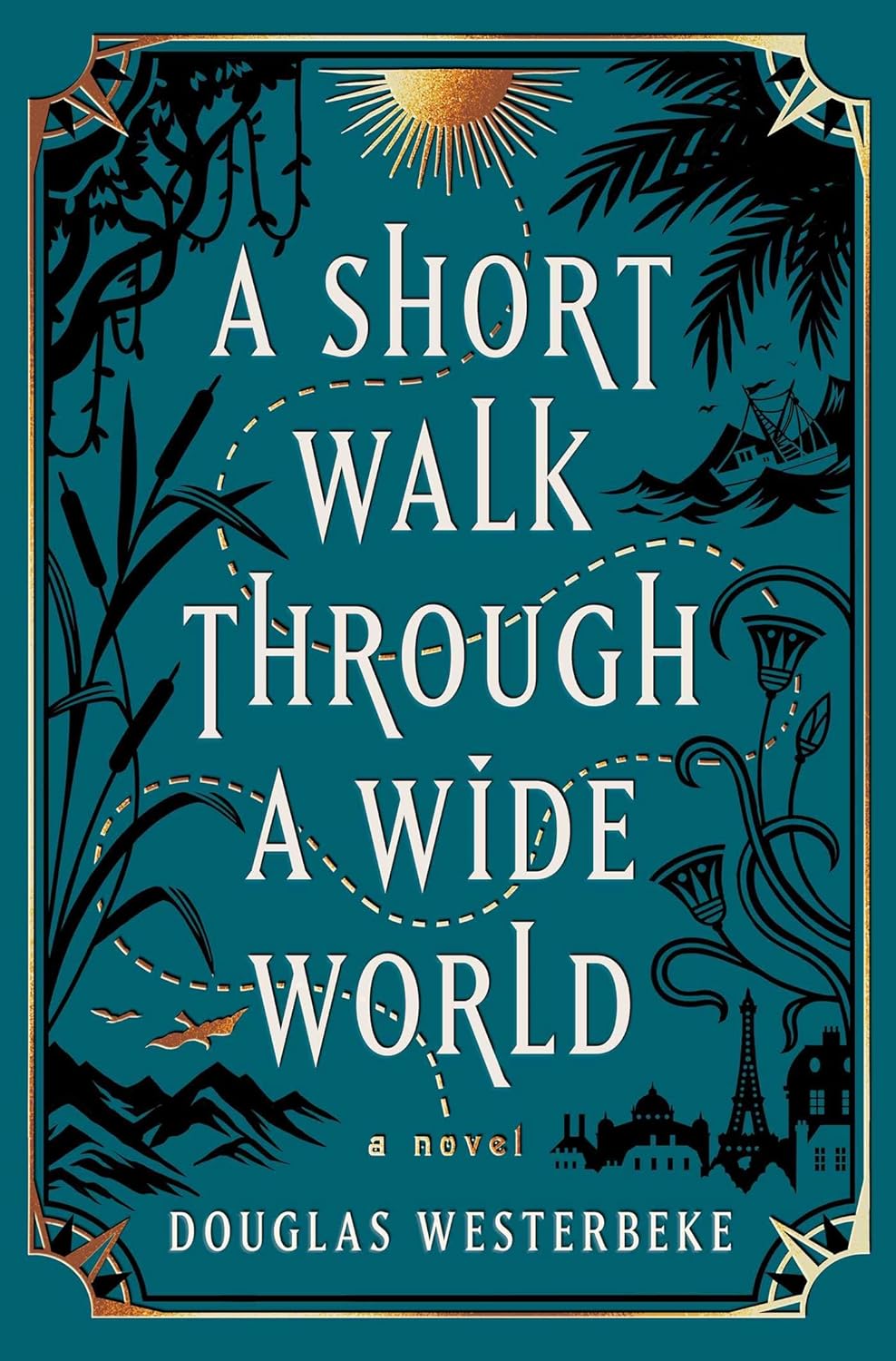
A Short Walk Through a Wide World

A Short Walk Through a Wide World is an ambitious tale of endless wandering that—despite its potential—never quite finds its way.

A Short Walk Through a Wide World

by Douglas Westerbeke

A Promising Journey that Meanders with No Destination

A Short Walk Through a Wide World by Douglas Westerbeke

Title:


Author:

Genre:

Page Count:

Release Date:

Enjoyment:
Writing:
Characters:
Plot:
Readability:
Setting:

A Short Walk Through a Wide World

Douglas Westerbeke

Historical Fiction; Fantasy-ish

390

April 2, 2024

♥ ♥
♥ ♥
♥
♥
♥ ♥
♥ ♥

The Quick Look

Marketed as a novel for fans of The Invisible Life of Addie LaRue, this debut promised a sweeping, fantastical journey around the world. What it delivered, for me, was a story with potential—but no pulse. 

  • Themes: (According to the publisher) The cost of immortality, the weight of wandering, and what makes a life worth living.
  • Read If You Like: Stories of eternal life, nomadic adventure, and quiet philosophical introspection (but with a higher tolerance for plotlessness than I had).
  • Best for: Readers who love reflective, meandering tales and don’t need tight plot structure.
  • Skip if: You crave character-driven stories with narrative payoff and emotional resonance.

The Full Review

PLOT & PACING:
The novel follows Aubry Tourvel, a girl cursed to keep moving—unable to stay in one place longer than a few days without dying of a mysterious illness. On paper, it’s a fascinating premise. In execution, it felt like watching a series of disconnected postcards flip by. There was little cause and effect, no clear stakes, and no satisfying arc—just “and then… and then… and then.”

CHARACTER & VOICE:
Aubry, the central character, never really came alive for me. Because the novel is told in third person and spans decades, it’s hard to feel truly tethered to her emotionally. I couldn’t shake the feeling that I was watching her from a distance, rather than walking beside her.

STYLE & ATMOSPHERE:
There are some lovely passages here and there, but overall the prose didn’t elevate the story enough to hold my attention. I paused the book around the 100-page mark, only returning months later to finish it on audio—and even then, I struggled to connect.

THEMES & DEPTH:
Westerbeke’s novel attempts to explore ideas like fate, isolation, and the search for meaning—but without a strong emotional or narrative throughline, these themes feel abstract rather than earned. Without clear consequences or evolution, it’s hard to feel what any of it means.

PERSONAL TAKE:
I wanted to love this. Truly. I picked it up because of the Addie LaRue comparison, and if you’ve been following along, you know how much that book means to me. But this wasn’t it. It’s not that the premise didn’t have potential—it’s that the storytelling never followed through in a satisfying way. Still, I respect the ambition and the effort of a debut author stepping into such big narrative shoes.

The Final Verdict

Wistful, wandering, and ultimately lacking the emotional and narrative spark that could have made it great. A beautiful idea that didn’t quite come together for me.

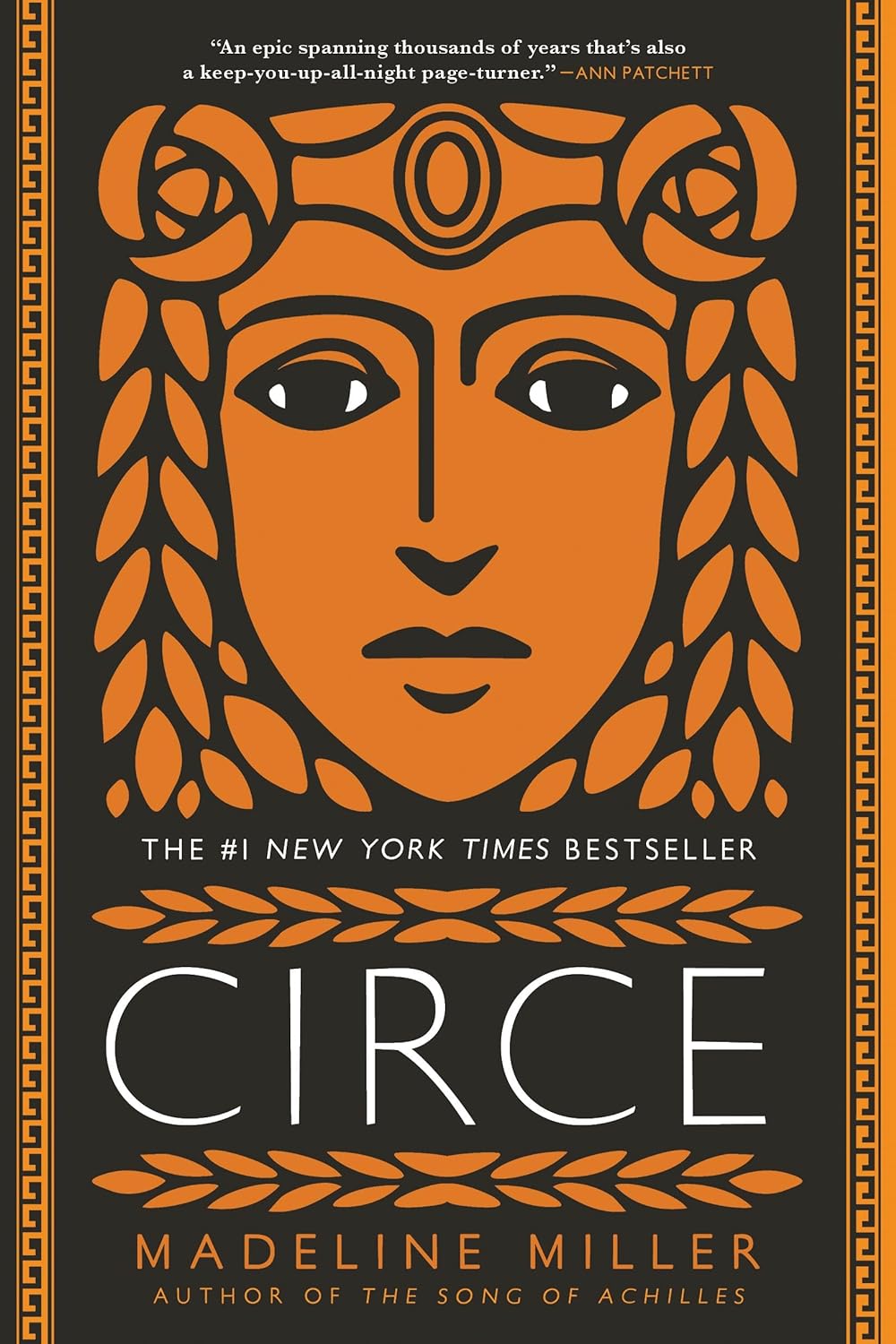
Circe

In Circe, Madeline Miller gives voice to a woman history wrote off as a footnote—a witch on an island, a side character in the epics of men. But what if the story was always hers to tell? With lyrical prose and mythic weight, this feminist reimagining spans centuries featuring gods, monsters, and heroes. But, most importantly, the book highlights the quiet strength of a woman learning to choose herself.

Circe

by Madeline Miller

History’s greatest witch tells her side of the story.

Circe by Madeline Miller

Title:

Author:

Genre:

Page Count:

Release Date:

Enjoyment:
Writing:
Characters:
Plot:
Readability:
Setting:

Circe

Madeline Miller

Fantasy; Mythology

385

April 10, 2018

♥ ♥ ♥
♥ ♥ ♥ ♥
♥ ♥ ♥ ♥
♥ ♥ ♥ ♥
♥ ♥ ♥
♥ ♥ ♥ ♥ ♥

The Quick Look

In Circe, Madeline Miller gives voice to a woman history wrote off as a footnote—a witch on an island, a side character in the epics of men. But what if the story was always hers to tell? With lyrical prose and mythic weight, this feminist reimagining spans centuries featuring gods, monsters, and heroes. But, most importantly, the book highlights the quiet strength of a woman learning to choose herself.

  • Themes: Immortality vs mortality, rewriting one’s story, isolation, heroism (or lack thereof)
  • Read if you like: Myth retellings, introspective slow-burns, stories about women reclaiming power.
  • Best for: Readers who enjoy character-driven narratives, literary prose, and myth through a modern lens.
  • Skip if: You need fast pacing, a traditional hero’s journey, you struggle with slow starts, or need a variety of settings (a majority of this one is set on ONE island for thousands of years).

The Full Review

PLOT & PACING
The novel spans thousands of years, tracing Circe’s transformation from overlooked nymph (who gave aid to Prometheus, btw) to a woman who bends fate to her will. The pacing is meditative—slow at first, almost too slow. But by the halfway mark, the threads begin to tighten. It’s less about what happens and more about how Circe changes. The story is mythic in scale, but intimate in voice.

CHARACTER & VOICE
Circe is layered, stubborn, observant, and deeply human despite her immortality. At first, she feels distant—a consequence of the prose, the isolation, the eons of her story. But as the novel progresses, her perspective sharpens. You begin to feel her pain, her pride, her yearning. It’s a voice that grows on you.

STYLE & ATMOSPHERE
Miller writes like a poet. Her prose is lush, lyrical, and evocative, especially when describing Circe’s island and the quiet spaces between encounters. The atmosphere is both enchanting and melancholic. You feel the weight of solitude—and the slow, deliberate work of self-invention.

THEMES & DEPTH
Circe is about stepping out of the shadows of gods and heroes to find your own truth. It asks what makes someone powerful—and what it means to be free. It challenges the idea that a life on the margins is lesser. And it celebrates the act of choosing your own story, even when the world writes you off.

PERSONAL TAKE
This one almost lost me. Around page 150, I nearly quit. But I’m glad I didn’t. There’s something quietly revolutionary in how Circe reclaims her narrative—not by conquest, but by endurance. It may not resonate with everyone, but for the right reader, it could be transformational. It’s not loud, but it lingers.

The Final Verdict

A slow, powerful reclaiming of voice and story—Circe proves that even immortals deserve a second telling.

“Humbling women seems to me a chief pastime of poets. As if there can be no story unless we crawl and weep.”
Circe by Madeline Miller
Circe
by Madeline Miller

Taste: My Life Through Food

Stanley Tucci serves up his life one lovingly prepared dish at a time, reminding us that the best stories—and the best meals—are meant to be shared.

Taste: My Life Through Food

by Stanley Tucci

Come for the negroni and carbonara. Stay for the stories.

Taste: My Life Through Food by Stanley Tucci

Title:

Author:

Genre:

Page Count:

Release Date:

Enjoyment:
Writing:
Characters:
Plot:
Readability:
Setting:

Taste: My Life Through Food

Stanley Tucci

Memoir (and cookbook)

286

October5, 2021

♥ ♥ ♥ ♥ ♥
♥ ♥ ♥ ♥ ♥
♥ ♥ ♥ ♥ ♥
♥ ♥ ♥ ♥ ♥
♥ ♥ ♥ ♥ ♥
♥ ♥ ♥ ♥ ♥

The Quick Look

Part memoir, part cookbook, Taste is Stanley Tucci at his most charming—witty, warm, and insatiably obsessed with food. It’s not just about meals, but moments: family gatherings, film sets, health scares, and the stories that shape a life. If you weren’t already in love with Tucci, prepare yourself.

  • Themes: Family, growth, the journey of life through food.
  • Read if you like: Kitchen Confidential, Eat Pray Love, or hearing someone’s entire life story told over a shared meal.
  • Best for: Foodies, Tucci fans, memoir lovers, and anyone who thinks meals are meant to be shared.
  • Skip if: You don’t enjoy food descriptions (who are you??), dislike celebrity memoirs, or want a more traditional narrative arc.

The Full Review

PLOT & PACING
This isn’t a traditional memoir with a tidy beginning, middle, and end. Instead, Tucci structures his story through the lens of food—from his Italian-American upbringing to dinners on movie sets, to his battle with cancer (spoiler alert!). Each chapter feels like a delicious new course, complete with anecdotes and recipes that let you taste along.

CHARACTER & VOICE
Tucci is magnetic. His voice (especially in the audiobook) is part dinner party host, part wisecracking dad (Have you seen him in Easy A?), part sentimental gourmand. His stories about his parents, his late wife Kate, and his love for his current family are full of heart. This is a man who feels deeply and lives deliciously—and it shows.

STYLE & ATMOSPHERE
Effortlessly stylish—like Tucci himself. There’s a clear through-line of elegance, humor, and genuine love for food and people. The tone is conversational, but never shallow. You feel like you’re at his kitchen counter, sipping wine and listening to him talk as he cooks.

THEMES & DEPTH
Food is the lens, but the themes are universal: love, grief, joy, resilience. Tucci shows us how recipes can be heirlooms, how the loss of taste can be devastating, and how even the most everyday meals can become extraordinary when shared with people you love.

PERSONAL TAKE
I loved every bite of this book. Whether he’s roasting chickens or roasting himself, Tucci never misses. I laughed, I got hungry, I even teared up. And yes, I absolutely listened to the audiobook—and you should too. It’s an experience.

The Final Verdict

A cozy, compelling memoir seasoned with sharp wit and genuine heart. Tucci doesn’t just tell you his story—he feeds it to you.

"Spaghetti alla carbonara. Fuck. It's incredible. Especially at this one place in Rome. FUCK!!!!"
Taste: My Life Through Food by Stanley Tucci
Taste
by Stanley Tucci

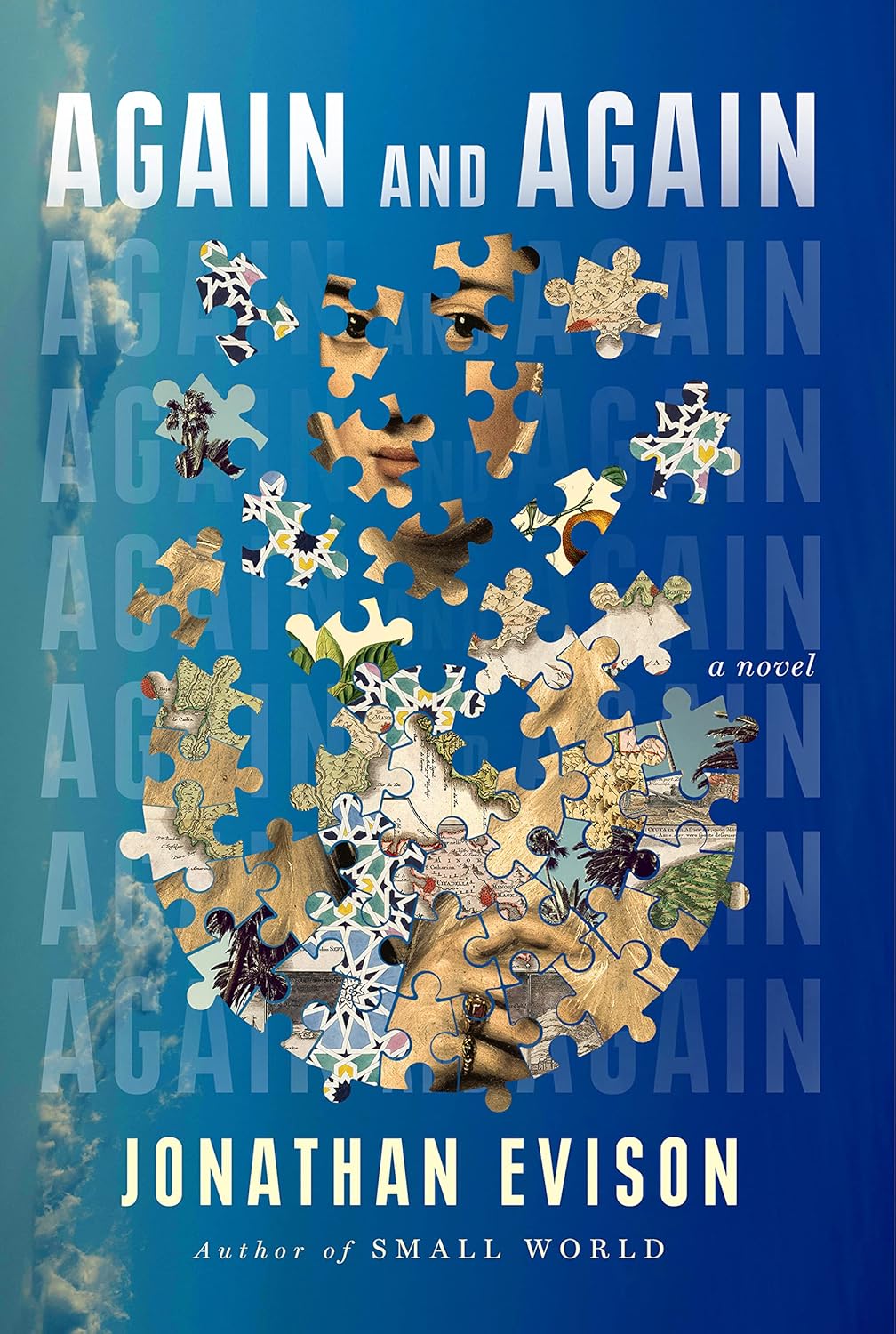
Again and Again

Some books spark emotion. Others spark thought. Again and Again sparked only regret. It’s hard to care about a character who can do nothing but lie.

Again and Again

by Jonathan Evison

Again and Again. That's how frequently the main character lies to you.

Again and Again by Jonathan Evison

Title:


Author:

Genre:

Page Count:

Release Date:

Enjoyment:
Writing:
Characters:
Plot:
Readability:
Setting:

Again and Again

Jonathan Evison

Contemporary Fiction

318

November 7, 2023

♥
♥ ♥
♥
♥
♥
♥

The Quick Look

Some books spark emotion. Others spark thought. Again and Again sparked only regret. It’s hard to care about a character who can do nothing but lie.

  • Themes: Regret, false memories, incoherence, maybe?
  • Read if you like: Being lied to repeatedly by an unreliable narrator with no clear payoff
  • Best for: Readers who enjoy sifting through disjointed timelines and don’t mind when a story shrugs at its own point
  • Skip if: You value plot, character, consistency, or a reason to care

The Full Review

PLOT & PACING
An old man in a nursing home may or may not be recounting past lives. But as he flip-flops on basic facts about who he is and where he’s been, it becomes impossible to track—let alone care. The narrative wavers between confusing and pointless.

CHARACTER & VOICE
If your main character constantly lies, you’d hope for a compelling reason—or at least an interesting reveal. Not here. The protagonist’s delusions are presented with such half-hearted ambiguity that it’s hard to root for, pity, or even tolerate him. I understand now why most of the hospice staff wouldn’t give him the time of day.

STYLE & ATMOSPHERE
Evison’s prose has moments of charm, but the overall effect is flat. There’s no emotional weight to ground the narrative. Whatever atmosphere he aims for gets lost in the shuffle.

THEMES & DEPTH
Sure, there are whispers of reincarnation, love lost, and the unreliability of memory, all themes that should speak to me. But they’re not explored—just tossed out like half-baked ideas. The book seems unsure whether it wants to be profound or quirky and succeeds at neither.

PERSONAL TAKE
I read the first page and then put it down. It sat on my shelf for months before I decided to read it on audio. I didn’t enjoy this, didn’t find it meaningful, and couldn’t wait for it to be over. If I hadn’t been chasing Book of the Month challenges, I think it would still be collecting dust on my shelf, or forgotten completely.

The Final Verdict

A frustrating, unfocused read that fumbles both its concept and execution.

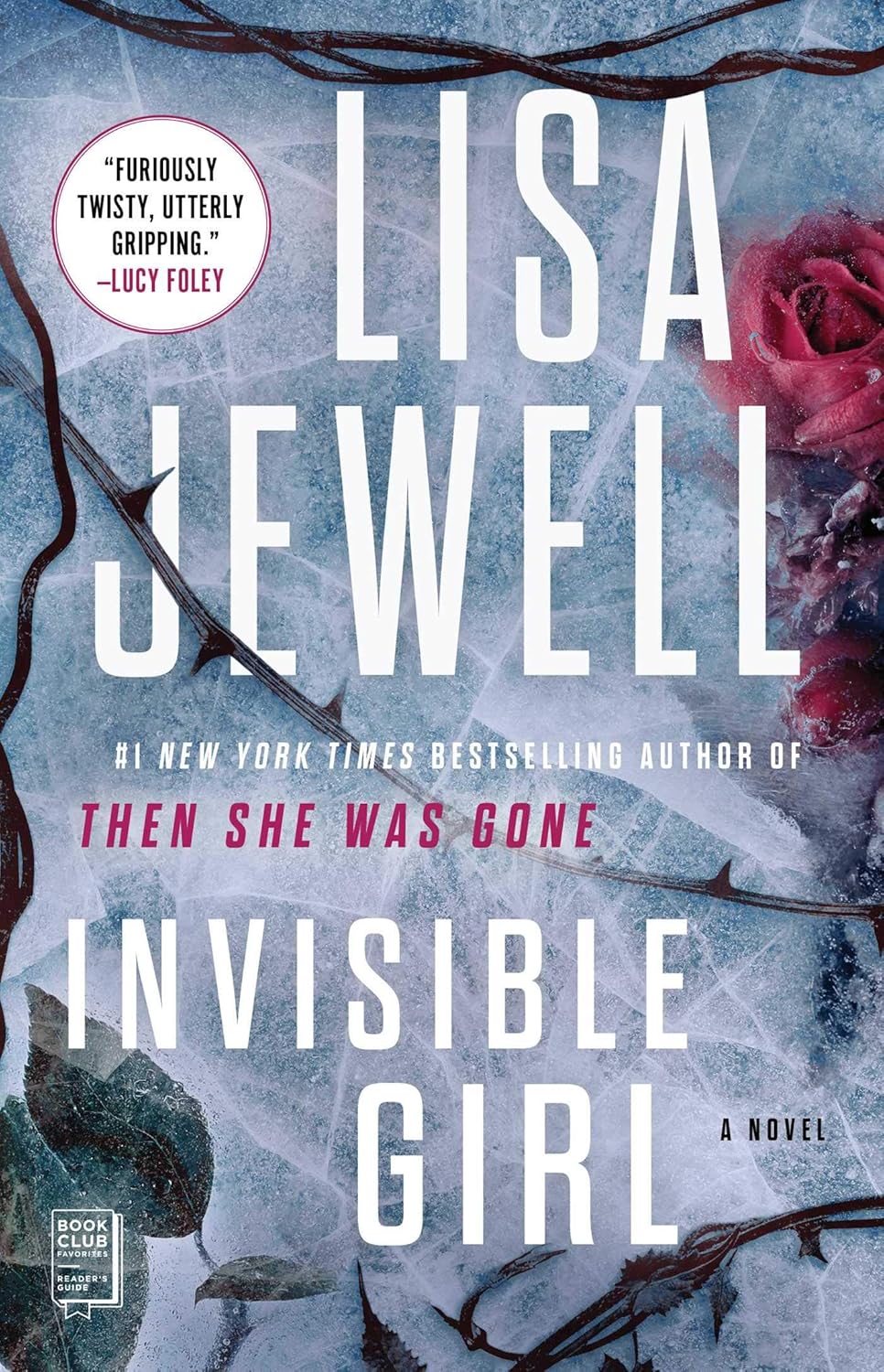
Invisible Girl

A slow, often frustrating read that ultimately rewards patient readers with an unsettling but impactful story of secrecy, trauma, and redemption.

Invisible Girl

by Lisa Jewell

When everyone looks suspicious, who can you actually trust?

The Quick Look

Lisa Jewell’s Invisible Girl builds a web of secrets, lies, and flawed characters against the backdrop of a quiet London neighborhood. While the first half drags under the weight of unlikable voices and unsettling themes, the story eventually gathers momentum, offering a more layered exploration of trauma, misogyny, and redemption. It’s a slow burn with a payoff that makes the perseverance worthwhile.

  • Trigger Warnings: sexual assault, infidelity, grooming, misogyny

  • Release Date: October 13, 2020
  • Pages: 365
  • Genre: Thriller / Suspense
  • Themes: mistrust, power dynamics, trauma, secrecy, growth
  • Read if you like: 
    – neighborhood thrillers
    – morally gray characters
    – stories of redemption
  • Best for: Readers with patience for a slow build and interest in psychological underpinnings of crime
  • Skip if: You need fast pacing, likable characters, or lighthearted storytelling

Enjoyment:
Writing:
Characters:
Plot:
Readability:
Setting:

♥ ♥ 
♥ ♥ ♥
♥ ♥ 

♥ ♥ ♥ 
♥ ♥ 
♥ ♥ ♥

Enjoyment:   ♥ ♥ 
Writing:         ♥ ♥ ♥ 
Characters:   ♥ ♥ 
Plot:                ♥ ♥ ♥ 
Readability:   ♥ ♥ 
Setting:          ♥ ♥ ♥ 

The Full Review

PLOT & PACING
The setup moves slowly, bogged down by over-detailed scenes and little plot momentum. But around the halfway mark (page ~180), the pieces begin to lock into place, driving toward a more engaging—and even educational—reveal.

CHARACTER & VOICE
Jewell populates this novel with damaged, complicated characters, but few are easy to root for. The misogyny, selfishness, and questionable choices make for a difficult cast. Still, by the end, some key characters undergo meaningful change, which salvages part of the journey.

STYLE & ATMOSPHERE
Jewell’s prose is straightforward, with enough atmospheric detail to set the scene without becoming lyrical. At times, the focus on grit and discomfort outweighs the narrative drive.

THEMES & DEPTH
This is where the novel succeeds: it tackles issues of sexual violence, predatory behavior, and gendered power imbalances. While uncomfortable, it forces readers to confront these realities, and the ending provides a sliver of growth and reflection.

PERSONAL TAKE
The first half was a slog, and I nearly set it aside. But pushing through paid off—the second half proved much stronger. I didn’t love this book, but I’m glad I finished it; it reminded me that sometimes character growth and thematic weight only reveal themselves after patience.

The Final Verdict

A dark, slow-building thriller that stumbles early but ultimately redeems itself with thoughtful character growth and an unsettling look at hidden dangers in everyday lives.

Check Out Our Recent Reviews!