A Line to Kill

A Line to Kill is an inventive but uneven mystery—intriguing in concept, lacking in execution

A Line to Kill

by Anthony Horrowitz

When a literary festival, a murder, and a fake séance collide, even the author himself can’t write his way out of the mystery.

The Quick Look

Anthony Horowitz blurs the line between fact and fiction, writing himself into this twisty crime novel where an island literary festival becomes the stage for murder. With a unique setting and some clever narrative tricks, the book offers intrigue but drags with slow pacing and flat characters.

  • Release Date: October 19, 2021
  • Pages: 432
  • Genre: Mystery / Crime Fiction
  • Themes: story-telling as performance, the blurred line between reality and fiction, the masks people wear in public vs. in private
  • Read if you like: 
    – Meta-mysteries
    – Slow-burn, detective fiction
    – Quirky, literary settings
  • Best for: Readers who love mysteries with an unusual structure or “author as character” formats
  • Skip if: You need fast pacing, dynamic characters, or high-stakes action to stay engaged

Enjoyment:
Writing:
Characters:
Plot:
Readability:
Setting:

♥ ♥ ♥ 
♥ ♥ ♥ 
♥ ♥ 

♥ ♥ ♥ 
♥ ♥ ♥
♥ ♥ ♥ ♥

Enjoyment:   ♥ ♥ ♥ 
Writing:         ♥ ♥ ♥ 
Characters:   ♥ ♥ 
Plot:                ♥ ♥ ♥ 
Readability:   ♥ ♥ ♥  
Setting:          ♥ ♥ ♥ ♥

The Full Review

PLOT & PACING
The premise — an author and detective invited to a literary festival that turns deadly—had plenty of promise. A fake séance and an isolated island setting added originality, but the pacing dragged. The murder mystery takes a while to ignite, and momentum never fully picks up.

CHARACTER & VOICE
Here’s where the book stumbles most. Many characters felt one-dimensional, with limited growth or depth. Horowitz’s decision to write himself into the narrative was fun at first, but it couldn’t make up for the lack of compelling supporting voices.

STYLE & ATMOSPHERE
The writing was competent and occasionally clever, especially in its meta flourishes. The island setting was evocative, creating an isolated, almost claustrophobic mood that worked well for the mystery. Still, the prose didn’t quite sparkle.

THEMES & DEPTH
The novel plays with the idea of performance — whether through a staged séance, the curated image of authors at a festival, or the author inserting himself into the story. But beyond those gestures, it doesn’t dig too deeply.

PERSONAL TAKE
It took some effort, but I finished it. While there were elements I found genuinely intriguing, the flat characters and sluggish pacing meant I was more relieved to be done than eager for more.

The Final Verdict

A clever premise and atmospheric setting can’t quite make up for one-dimensional characters and uneven pacing.
A curiosity for fans of meta mysteries, but not essential reading.

Check Out Our Recent Reviews!

The Paris Apartment

When Jess arrives in Paris to crash with her half-brother Ben, he’s gone—phone dead, apartment pristine, neighbors weirdly watchful. Everyone in this luxe building on Rue des Amants is hiding something… and Jess is just nosy (and stubborn) enough to pry it loose.

The Paris Apartment

by Lucy Foley

Secrets have thin walls—and in this building, they’re load‑bearing.

The Quick Look

Lucy Foley serves up another twisty thriller, this time set inside an opulent Paris apartment where every resident is hiding something. Jess arrives to find her brother missing and the neighbors far too watchful. What follows is a claustrophobic game of suspicion where privilege, power, and paranoia overlap. A sleek mystery that keeps you guessing until the final reveal.

  • Release Date: February 21, 2023
  • Pages: 384
  • Genre: Mystery / Thriller
  • Themes: wealth and corruption, voyeurism, family ties, secrecy
  • Read if you like: 
    – Locked-room mysteries
    – Ensemble casts with hidden motives
    – Parisian settings dripping with glamour & menace
  • Best for: Fans of Ruth Ware and Agatha Christie-style modern thrillers
  • Skip if: You need warm, likable characters or fast-paced reveals on every page

Enjoyment:
Writing:
Characters:
Plot:
Readability:
Setting:

  ♥ ♥ ♥ ♥
  ♥ ♥ ♥ ♥
  ♥ ♥ ♥ 

  ♥ ♥ ♥ ♥ 
  ♥ ♥ ♥ ♥ ♥
  ♥ ♥ ♥ ♥ ♥

Enjoyment:   ♥ ♥ ♥ ♥
Writing:         ♥ ♥ ♥ ♥
Characters:   ♥ ♥ ♥ 
Plot:                ♥ ♥ ♥ ♥
Readability:   ♥ ♥ ♥ ♥ ♥ 
Setting:          ♥ ♥ ♥ ♥ ♥

The Full Review

PLOT & PACING
From the moment Jess finds her brother’s apartment pristine and empty, the suspense never lets up. Each resident’s perspective adds another thread to the mystery, with Foley tugging them together in her signature slow-burn style. The buildup lingers, but the payoff is layered and sharp — perfect for readers who love to be proven wrong.

CHARACTER & VOICE
Jess, impulsive and determined, is our eyes and ears, though the real fun comes from the building’s residents: brittle Sophie, volatile Antoine, too-slick Nick, fragile Mimi, and the ever-watchful concierge. Foley uses multiple narrators to great effect, letting us circle closer and closer to the truth without ever giving it all away.

STYLE & ATMOSPHERE
Paris is painted in shadows here: courtyards that echo, stairwells that swallow sound, and champagne elegance that masks decay. Short, cinematic chapters keep the rhythm snappy, while the prose drips with menace. It’s a city you’ll want to escape as much as you want to explore.

THEMES & DEPTH
Strip away the locked-door thrills and this is a story about power: who has it, who hides it, and who suffers because of it. Foley explores class divides, moral compromise, and the illusions we build around family. Every secret is transactional, and the price is always higher than expected.

PERSONAL TAKE
This one hit all the notes I look for in a Lucy Foley thriller: sleek pacing, an atmospheric setting, and twists that slap you just when you think you’ve figured it out. I didn’t love the cast, but I was never meant to — watching them unravel was the point. The last third sealed the deal for me, and I closed the book both satisfied and unsettled.

The Final Verdict

An atmospheric thriller with Parisian polish and noir grit. It proves again that with Lucy Foley, what you think you know is never the truth.

Check Out Our Recent Reviews!

End of Story

When reclusive crime writer Sebastian Trapp invites Nicky Hunter to help finish his memoir, she thinks it’s the opportunity of a lifetime. But as she digs into his past, Nicky starts to wonder if she’s documenting a confession, not a legacy.

End of Story

by A.J. Finn

A proper mystery that delights in baffling you at every turn.

The Quick Look

A.J. Finn’s End of Story is a taut, atmospheric mystery drenched in secrets, unreliable memories, and the blurred line between fact and fiction. Every theory you come up with? Wrong. And that’s half the fun. With richly drawn characters, a shadowy estate full of secrets, and even a stuffed-bulldog platoon that deserves its own fan club, this is a puzzle box of a novel that entertains as much as it unnerves.

  • Release Date: January 14, 2025
  • Pages: 416
  • Genre: Mystery / Psychological Thriller
  • Themes: truth vs. perception, literary legacy, the price of secrets, guilt, obsession
  • Read if you like: 
    – Locked-room mysteries
    – Books within books (meta storytelling)
    – Characters who may not be what they seem
  • Best for: Readers who love twisty, stylish mysteries that nod to Christie & Highsmith
  • Skip if: You dislike ambiguous characters or narratives that play coy with the truth.

Enjoyment:  
Writing:  
Characters:  
Plot:  
Readability:  
Setting:  

♥ ♥ ♥ ♥ ♥
♥ ♥ ♥ ♥ ♥
♥ ♥ ♥ ♥

♥ ♥ ♥ ♥ 
♥ ♥ ♥ ♥
♥ ♥ ♥ ♥ ♥

Enjoyment:   ♥ ♥ ♥ ♥ ♥
Writing:         ♥ ♥ ♥ ♥ ♥
Characters:   ♥ ♥ ♥ ♥ 
Plot:                ♥ ♥ ♥ ♥
Readability:   ♥ ♥ ♥ ♥ 
Setting:          ♥ ♥ ♥ ♥ ♥

The Full Review

PLOT & PACING

From the first page, End of Story toys with your assumptions. Every clue feels like an answer—until it isn’t. I had my theories, but A.J. Finn toppled them one after another with skillful reveals and perfectly timed twists. The pacing balances slow-burn tension with gasp-worthy moments, leading to a finale that is as shocking as it is satisfying.


CHARACTER & VOICE

The cast is delightfully developed, from Sebastian Trapp—magnetic, manipulative, and endlessly fascinating—to Nicky Hunter, whose skeptical narration keeps us tethered to reality. The secondary characters bring equal intrigue, whether they’re hiding secrets or revealing inconvenient truths. And then there’s Watson, the stuffed bulldog platoon with a gaze so intense it deserves honorary detective status.

STYLE & ATMOSPHERE

Finn delivers prose that is sleek, sly, and cinematic. The atmosphere drips with gothic richness — stormy nights, sprawling estates, whispers behind closed doors. Every chapter feels staged like a scene from a Hitchcock film, with details that are as playful as they are sinister.

THEMES & DEPTH
Beyond the smoke and mirrors, you’ll find an examination of the narratives that define us—what stories people tell about themselves, and which stories others will tell when they’re gone. It also digs into the slipperiness of truth and the seduction of storytelling itself: how narrative can shape, twist, or obscure reality.

PERSONAL TAKE

I loved this book—five stars, no hesitation. Every time I thought I had cracked the mystery, Finn proved me wrong in the best way. The characters are compelling, the setting is ethereal and suspicious, and the atmosphere never lets up. This is a proper mystery novel: immersive, clever, and prepared to thrill you at every psychological turn.

The Final Verdict

End of Story is a masterclass in mystery: stylish, baffling, and endlessly entertaining. Come for the locked-house intrigue, stay for the stuffed bulldog squad, and prepare to be thoroughly, joyfully fooled.

Check Out Our Recent Reviews!

Andromeda

Set inside the venerable Swedish publishing house Rydéns, Andromeda traces the intertwined perspectives of Sofie, a young intern, and Gunnar, the editor-in-chief who takes her under his wing. Therese Bohman delivers a compact, observant novel about the delicate dance between tradition and modernity, ambition and nostalgia, and the charged space between platonic respect and something more ambiguous.

Andromeda

by Therese Bohman, Translated by Marlaine Delargy

In Stockholm’s literary halls, the lines between mentorship and desire blur in quiet, unsettling ways.

The Quick Look

Set inside the venerable Swedish publishing house Rydéns, Andromeda traces the intertwined perspectives of Sofie, a young intern, and Gunnar, the editor-in-chief who takes her under his wing. Therese Bohman delivers a compact, observant novel about the delicate dance between tradition and modernity, ambition and nostalgia, and the charged space between platonic respect and something more ambiguous.

  • Release Date: Jan. 14, 2025
  • Pages: 180
  • Genre: Literary Fiction
  • Themes: Mentorship, power dynamics, publishing life, tradition vs. change, gender in the workplace
  • Read if you like: Office politics with literary flair, character-driven stories in dual POV, morally gray relationships
  • Best for: Readers who enjoy subtle emotional tension and behind-the-scenes glimpses into the book world
  • Skip if: You want a high-stakes plot or neatly defined relationships

Enjoyment:
Writing:
Characters:
Plot:
Readability:
Setting:

♥ ♥ ♥
♥ ♥ ♥ ♥
♥ ♥ ♥ ♥
♥ ♥ ♥
♥ ♥ ♥ ♥
♥ ♥ ♥

Enjoyment:   ♥ ♥ ♥
Writing:         ♥ ♥ ♥ ♥
Characters:   ♥ ♥ ♥ ♥
Plot:                ♥ ♥ ♥
Readability:   ♥ ♥ ♥ ♥ 
Setting:          ♥ ♥ ♥

The Full Review

PLOT & PACING
The novel unfolds in two halves: the first told through Sofie’s eyes as she navigates her internship under Gunnar’s close attention, the second from Gunnar’s perspective as we revisit familiar moments with fresh insight. The plot is light on action, relying instead on shifting perceptions, quiet office scenes, and the slow build of trust and influence. It’s more a character study than a story with forward momentum, but the mirrored structure gives it a satisfying symmetry.

CHARACTER & VOICE
Sofie begins tentative and self-conscious, her confidence shaped—and at times dependent—on Gunnar’s approval. Gunnar, meanwhile, is a figure caught between pride in his past achievements and disillusionment with the industry’s future. Seeing each character through the other’s eyes adds texture, but also reveals the quiet manipulations and mutual needs underpinning their bond. Neither is wholly likable or unlikable, which keeps the relationship compelling.

STYLE & ATMOSPHERE
Bohman’s prose (and Delargy’s translation) is clean, restrained, and observational. The publishing house feels both rarified and slightly claustrophobic, a space where manuscripts are weighed like rare artifacts and office politics simmer just under the surface. The tone is meditative, with an undercurrent of melancholy that suits the theme of an industry wrestling with change.

THEMES & DEPTH
At its heart, Andromeda examines the unspoken contracts of mentorship—what’s freely given, what’s taken, and the lingering question of who benefits more. It also reflects on the tug-of-war between literary tradition and modern demands, and how gender and power intersect in subtle, often invisible ways. The romance-adjacent tension is never fully resolved, and that ambiguity feels true to life.

PERSONAL TAKE
As someone interested in stories about the inner workings of publishing, I found the details authentic without veering into either idealism or cynicism. I appreciated the structural cleverness of the dual POV, though the understated plot left me wishing for a few more turns of the screw. It’s a quick, thoughtful read that lingers less for what happens than for how it feels to be in that world.

The Final Verdict

A slender, elegant novel that invites you into the gray spaces of mentorship, ambition, and literary life. Andromeda isn’t about sweeping drama—it’s about the quiet ways we influence and are influenced by those around us, for better or worse.

“No one, absolutely no one is irreplaceable, which is a depressing realization. A workplace is like a microcosm of nature, ruled by the laws of evolution: As one species dies out and the whole system is destabilized, an efficient mechanism kicks in to ensure the survival of everyone else, and before long there is a new system, a new balance. Nature's sole purpose is survival, and the same is true of capitalism: A company is like a self-generating animal, a starfish that grows a new arm if a new arm is needed.”
Andromeda by Therese Bohman
Andromeda
by Therese Bohman
Check Out Our Recent Reviews!

The Bones Beneath My Skin

Equal parts Stranger Things, E.T., Forrest Gump, and The Last of Us, The Bones Beneath My Skin is a sci-fi adventure that bursts with humor, warmth, and a pulse of genuine humanity. First self-published in 2017 and re-released by Tor on February 4, 2025, TJ Klune’s novel pairs a fast-paced, high-stakes chase with the kind of emotional depth that leaves a mark. At the center of it all is Artemis Darth Vader—a whip-smart, big-hearted kid with a love for Westerns, an endless appetite for bacon, and the uncanny ability to make you care deeply, fast.

The Bones Beneath My Skin

by TJ Klune

Found family, bacon, and the biggest heart in the galaxy.

The Quick Look

Equal parts Stranger Things, E.T., Forrest Gump, and The Last of Us, The Bones Beneath My Skin is a sci-fi adventure that bursts with humor, warmth, and a pulse of genuine humanity. First self-published in 2017 and re-released by Tor on February 4, 2025, TJ Klune’s novel pairs a fast-paced, high-stakes chase with the kind of emotional depth that leaves a mark. At the center of it all is Artemis Darth Vader—a whip-smart, big-hearted kid with a love for Westerns, an endless appetite for bacon, and the uncanny ability to make you care deeply, fast.

  • Release Date: February 4, 2025 (Tor re-release)
  • Pages: 381
  • Genre: Sci-Fi / Adventure
  • Themes: Found family, recovering from grief, coming out, humanity and connection
  • Read if you like: Quirky, lovable characters; road trip adventures; sci-fi with emotional depth
  • Best for: Readers who want to laugh, cry, and come away feeling more human
  • Skip if: You’re looking for hard sci-fi with dense worldbuilding

Enjoyment:
Writing:
Characters:
Plot:
Readability:
Setting:

♥ ♥ ♥ ♥ ♥ (x2)
♥ ♥ ♥ ♥ ♥
♥ ♥ ♥ ♥ ♥ (x 20)
♥ ♥ ♥ ♥ ♥
♥ ♥ ♥ ♥ ♥
♥ ♥ ♥ ♥ ♥

Enjoyment:   ♥ ♥ ♥ ♥ ♥ (x2)
Writing:         ♥ ♥ ♥ ♥ ♥
Characters:   ♥ ♥ ♥ ♥ ♥ (x20)
Plot:                ♥ ♥ ♥ ♥ ♥
Readability:   ♥ ♥ ♥ ♥ ♥
Setting:          ♥ ♥ ♥ ♥ ♥

The Full Review

PLOT & PACING
From the opening pages, Klune throws you into a world of urgency and unknowns. Nate Cartwright’s quiet retreat to his family’s cabin is upended the moment he meets Alex and Art—two strangers clearly on the run from dangerous people. What follows is a road trip across backroads and small towns, punctuated by narrow escapes, tense standoffs, and brief moments of safety that feel all the more precious for their rarity. The pacing is a masterclass in balance: action beats never overstay their welcome, and the quieter emotional scenes have room to breathe. This isn’t a story about saving the world—it’s about saving each other—and that keeps the stakes feeling intensely personal.

CHARACTER & VOICE
Artemis Darth Vader might just be one of the most unforgettable characters I’ve ever read. She is pure life—curious, blunt, mischievous, and endlessly endearing. Her obsession with bacon and Westerns adds levity, but her moments of vulnerability are what make her leap off the page. Nate’s wry humor and protective instincts evolve beautifully alongside Alex’s steadiness and quiet resilience. The trio’s dynamic feels authentic, full of banter, unspoken trust, and occasional friction. Even the antagonists, while shadowy, carry enough weight to make the danger feel real. Klune writes relationships—platonic, familial, romantic—with a lived-in quality that’s rare in genre fiction.

STYLE & ATMOSPHERE
Klune’s prose is the kind that feels like a conversation with an old friend—easy, warm, and deceptively simple. He lets moments land without over-explaining, whether it’s a stretch of silent driving or a burst of laughter around a campfire. The Pacific Northwest setting is painted in sensory detail: damp forests, fog-laced mornings, and the crackle of cabin fires. Even the action scenes carry a cinematic clarity, while the more tender moments hum with intimacy. Sci-fi elements are present but never intrusive—the heart of the story is always the people.

THEMES & DEPTH
At its core, The Bones Beneath My Skin asks what it means to be human. It’s about grief and how connection can help us heal, about the courage it takes to protect someone different from yourself, and about the messy, beautiful work of building a chosen family. Klune weaves in questions about identity and belonging without ever losing the thread of adventure. The book reminds us that we’re all, as Art says, “made of dust and stars,” and that connection is what makes life worth living—no matter where you’re from.

PERSONAL TAKE
This was, hands down, one of the most joyful reading experiences I’ve had in years. I laughed out loud, I cried, and I caught myself rereading passages just to savor them again. Artemis Darth Vader now lives rent-free in my heart, and I will think about her every time I see a plate of bacon. TJ Klune is now firmly on my auto-read list—not just because he writes great stories, but because he writes ones that make you feel like a better version of yourself for having read them.

The Final Verdict

A heartfelt, hilarious, and deeply human sci-fi adventure. The Bones Beneath My Skin is proof that the most extraordinary journeys are the ones we take together—whether across town, across the country, or across the stars.

A heartfelt, hilarious, and deeply human sci-fi adventure. The Bones Beneath My Skin is proof that the most extraordinary journeys are the ones we take together—whether across town, across the country, or across the stars.
The Bones Beneath My Skin by TJ Klune
The Bones Beneath My Skin
by TJ Klune
Check Out Our Recent Reviews!

Shadow & Bone

Shadow & Bone is an accessible, atmospheric fantasy where the villain steals the show and the world-building keeps you hooked.

Shadow & Bone

by Leigh Bardugo

When darkness falls, one girl’s light could change the fate of an entire kingdom.

The Quick Look

Shadow & Bone sweeps readers into the Grishaverse with magic, political intrigue, and a heroine grappling with newfound power. While it doesn’t reinvent fantasy tropes, it offers an easy-to-read, immersive story with a villain who steals the spotlight and minor characters who shine brightly.

  • Release Date: April 20, 2021
  • Pages: 416
  • Genre: Fantasy / Young Adult
  • Themes: power and corruption, identity and self-discovery, loyalty and betrayal, light vs. darkness
  • Read if you like: 
    – Russian-inspired settings
    – Powerful, morally gray villains
    – Magic-driven world building
  • Best for: Readers who enjoy YA fantasy that’s accessible, atmospheric and brimming with mysticism
  • Skip if: You’re looking for complex, layered characters across the board or groundbreaking originality

Enjoyment:
Writing:
Characters:
Plot:
Readability:
Setting:

♥ ♥ ♥ ♥
♥ ♥ ♥ ♥
♥ ♥ ♥

♥ ♥ ♥ ♥ 
♥ ♥ ♥ ♥ ♥
♥ ♥ ♥ ♥

Enjoyment:   ♥ ♥ ♥ ♥
Writing:         ♥ ♥ ♥ ♥
Characters:   ♥ ♥ ♥
Plot:                ♥ ♥ ♥ ♥
Readability:   ♥ ♥ ♥ ♥ ♥ 
Setting:          ♥ ♥ ♥ ♥

The Full Review

PLOT & PACING
The story follows Alina Starkov, an ordinary mapmaker who discovers a hidden power that could save her war-torn country. Bardugo’s pacing is steady, mixing bursts of action with quieter moments of training and discovery. A few twists keep the narrative from feeling predictable, though the overall arc leans on familiar fantasy beats.

CHARACTER & VOICE
Alina is a solid lead, but it’s the supporting cast that lingers—Mal’s loyalty, Genya’s wit, and of course, the Darkling’s magnetic menace. The villain nearly outshines the heroine, and the interplay of minor characters gives the world added vibrancy.

STYLE & ATMOSPHERE
Bardugo’s writing is smooth and easy to slip into, prioritizing clarity over flourish. The atmosphere, however, is majestic—rooted in a setting that feels both mystical and lived-in, with the Shadow Fold serving as a striking, memorable backdrop.

THEMES & DEPTH
At its core, Shadow & Bone wrestles with questions of belonging and the lure of power. While it doesn’t dig too deeply into its themes, the contrasts between light and darkness — both literal and moral — make for an engaging foundation.

PERSONAL TAKE
This was a fun, fascinating fantasy read. While not utterly remarkable, it had enough unexpected turns to keep me invested. The immersive world and strong villain left me eager to see where the series heads next.

The Final Verdict

A mystical, immersive fantasy that balances easy readability with a compelling villain and a world that begs for more exploration.

Check Out Our Recent Reviews!

Beautiful Ugly

Alice Feeney’s Beautiful Ugly is a mind-bending psychological thriller that keeps twisting until the very last page. With its oxymoronic chapter titles and shifting truths, it’s a haunting meditation on deception, perception, and the secrets we hide—even from ourselves.

Beautiful Ugly

by Alice Feeney

Love and lies. Truth and fiction. Beautiful and ugly.

Beautiful Ugly by Alice Feeney

Title:

Author:

Genre:

Page Count:

Release Date:

Enjoyment:
Writing:
Characters:
Plot:
Readability:
Setting:

Beautiful Ugly

Alice Feeney

Thriller

304

January 14, 2025

♥ ♥ ♥ ♥ ♥
♥ ♥ ♥ ♥ ♥
♥ ♥ ♥ ♥
♥ ♥ ♥ ♥ ♥
♥ ♥ ♥ ♥ ♥
♥ ♥ ♥ ♥ ♥

The Quick Look

Alice Feeney’s Beautiful Ugly is a mind-bending psychological thriller that keeps twisting until the very last page. With its oxymoronic chapter titles and shifting truths, it’s a haunting meditation on deception, perception, and the secrets we hide—even from ourselves.

  • Themes: Perception vs reality, creative fraud, isolation, grief.
  • Read if you like: Gone Girl, twisty thrillers, Scottish island settings, or stories that make you question everything you thought you knew.
  • Best for: Fans of unreliable narrators, readers who love reading about writers, or readers who enjoy the slow unraveling of truth.
  • Skip if: You need clear answers fast or don’t enjoy psychological ambiguity.

The Full Review

PLOT & PACING
The story kicks off with the disappearance of Abby Green and her husband Grady’s descent into confusion, insomnia, and writer’s block. A year later, he escapes to a remote Scottish island to reset—but instead finds a manuscript left behind by the island’s former resident writer (shades of Yellowface), and a series of eerie encounters that suggest Abby might never have truly left. The pacing is tight, the atmosphere moody, and the final act? A masterclass in unexpected twists.

CHARACTER & VOICE
Grady is a mess—in the best way. Feeney masterfully uses the unreliable narrator trope to full effect, keeping us constantly questioning his version of events. Abby, though mostly seen through memory and illusion, becomes a powerful presence. And the island? Almost a character in its own right: strange, watchful, and deeply unsettling.

STYLE & ATMOSPHERE
Feeney’s structure here is genius. Each chapter title is a contradiction—Beautiful Ugly, Definitely Maybe, Perfectly Imperfect—mirroring the dualities in how two people can perceive the same event in completely different ways. The writing walks a taut line between poetic and punchy. There’s a cold, coastal chill that seeps into every paragraph. Scotland has never felt so eerily intimate.

THEMES & DEPTH
The novel explores how people can live completely different versions of the same relationship. It asks hard questions about authenticity: in marriage, in art, and in selfhood. Can you ever really know another person? And what happens when you stop knowing yourself?

PERSONAL TAKE
This was my first Alice Feeney—and I’m hooked. The ending floored me. I genuinely didn’t see it coming, and that’s rare. But beyond the shock value, what really stayed with me was the message: that being yourself, truly and unapologetically, is the bravest thing you can do.

The Final Verdict

Beautiful Ugly is a haunting, intelligent thriller that plays with truth like a cat with string. And just when you think you’ve figured it out, it turns on the light—and you realize you never saw the full picture.

“… uniqueness is something to be celebrated, not feared or frowned upon…”
Beautiful Ugly by Alice Feeney
John Doe
Designer

Playground

In Playground, Richard Powers dives deep into the beauty and fragility of the Pacific while tangling with technology’s promise—and peril. Makatea’s reef-lined shores set the stage for a story that blends ocean conservation, board game strategy, and the rise of artificial intelligence. It’s an ambitious, idea-packed novel that soars in its exploration of the sea and stumbles in its late-game twist.

Playground

by Richard Powers

When the Deepest Waters Are Made of Code

The Quick Look

In Playground, Richard Powers dives deep into the beauty and fragility of the Pacific while tangling with technology’s promise—and peril. Makatea’s reef-lined shores set the stage for a story that blends ocean conservation, board game strategy, and the rise of artificial intelligence. It’s an ambitious, idea-packed novel that soars in its exploration of the sea and stumbles in its late-game twist.

  • Release Date: September24, 2024
  • Pages: 381
  • Genre: Literary Fiction
  • Themes: Ocean conservation, AI and creativity, loss, technology vs. nature, human connection
  • Read if you like: Tomorrow, and Tomorrow, and Tomorrow, The Social Network, Moana
  • Best for: Readers who love lush settings and philosophical what-ifs
  • Skip if: You need an ending that sticks the landing

Enjoyment:
Writing:
Characters:
Plot:
Readability:
Setting:

♥ ♥ ♥ ♥
♥ ♥ ♥ ♥
♥ ♥ ♥
♥ ♥ ♥
♥ ♥ ♥ ♥
♥ ♥ ♥ ♥ ♥

Enjoyment:   ♥ ♥ ♥ ♥
Writing:         ♥ ♥ ♥ ♥
Characters:   ♥ ♥ ♥
Plot:                ♥ ♥ ♥
Readability:   ♥ ♥ ♥ ♥ 
Setting:          ♥ ♥ ♥ ♥ ♥

The Full Review

SPOILERS AHEAD!!!

PLOT & PACING
From its opening chapters, Playground is an intricate dance between ocean science, game theory, and human longing. Powers draws you in with a narrative that feels vast but controlled—four lives converging on the tiny island of Makatea as it faces a vote that could change its future forever. The pace is deliberate, giving space for the reader to absorb the island’s ecology, the subtle politics of seasteading, and the inner landscapes of each character. For much of the novel, the tension builds in steady, satisfying waves—until the reveal that the Makatea storyline was AI-generated knocks the wind out of its sails. It’s a move that reframes the entire book, and while it’s intellectually intriguing, it lands as an emotional undercut, leaving the final pages feeling smaller than the journey that led there.

CHARACTER & VOICE
Evelyne Beaulieu’s chapters are where the book truly breathes—her dives, her meditations on cuttlefish courtship, and her reverence for the ocean carry a kind of quiet electricity. Through her, Powers captures both the wonder and the ache of studying a world in peril. Todd Keane, the tech mogul behind Playground, is complex in conception but often frustrating in execution; his faith in AI as a vessel for immortality makes him fascinating, if not always sympathetic. Rafi Young and Ina Aroita provide texture, connection, and grounding, but their arcs sometimes feel secondary, more like satellites than stars. Still, each voice adds a distinct current to the novel’s tide.

STYLE & ATMOSPHERE
Powers writes with the precision of a scientist and the soul of a poet. The reefs are alive with color, the waters hum with life, and Makatea’s limestone cliffs seem to glow on the page. His prose balances technical detail with lyrical sweep, making the science as compelling as the story. The ocean emerges as the book’s most consistent character—steady, ancient, and unaltered by human ego. Even when the plot falters, the sensory richness of the writing keeps you immersed.

THEMES & DEPTH
At its core, Playground isn’t just about AI—it’s about the boundaries of creation itself. Powers questions whether true originality is possible without lived experience, and whether technology can ever be more than an echo chamber for human thought. The environmental thread is urgent but never preachy, underscoring the fragile beauty of ecosystems and the ethical quagmire of exploiting them. The late-game AI twist doubles as a commentary on the limits of simulation, suggesting that the soul of art lies in its imperfections. It’s here that the novel’s ideas resonate most deeply, even if the delivery is uneven.

PERSONAL TAKE
For most of the book, I was enthralled—hooked by the layered structure, the intellectual chess match between characters, and Evelyne’s unflinching devotion to the sea. Powers gave me the sensation of holding something rare and intricate, like a shell you’re afraid to drop. Then the twist hit, and that shell cracked—revealing something clever, but not nearly as beautiful as what I thought I had. The disappointment lingers, but so does the conversation it sparks: about what AI can and can’t do, and about the irreplaceable value of human perspective. It’s a rare novel that leaves me conflicted in this way, both admiring the ambition and mourning the loss of what might have been.

The Final Verdict

A breathtaking setting, a thought-provoking premise, and a handful of unforgettable chapters. Playground asks big questions about creativity, mortality, and the cost of progress—though its late reveal may leave some readers adrift.

"Is a thing still garbage, once life starts using it?"
Playground by Richard Powers
Playground
by Richard Powers
Check Out Our Recent Reviews!

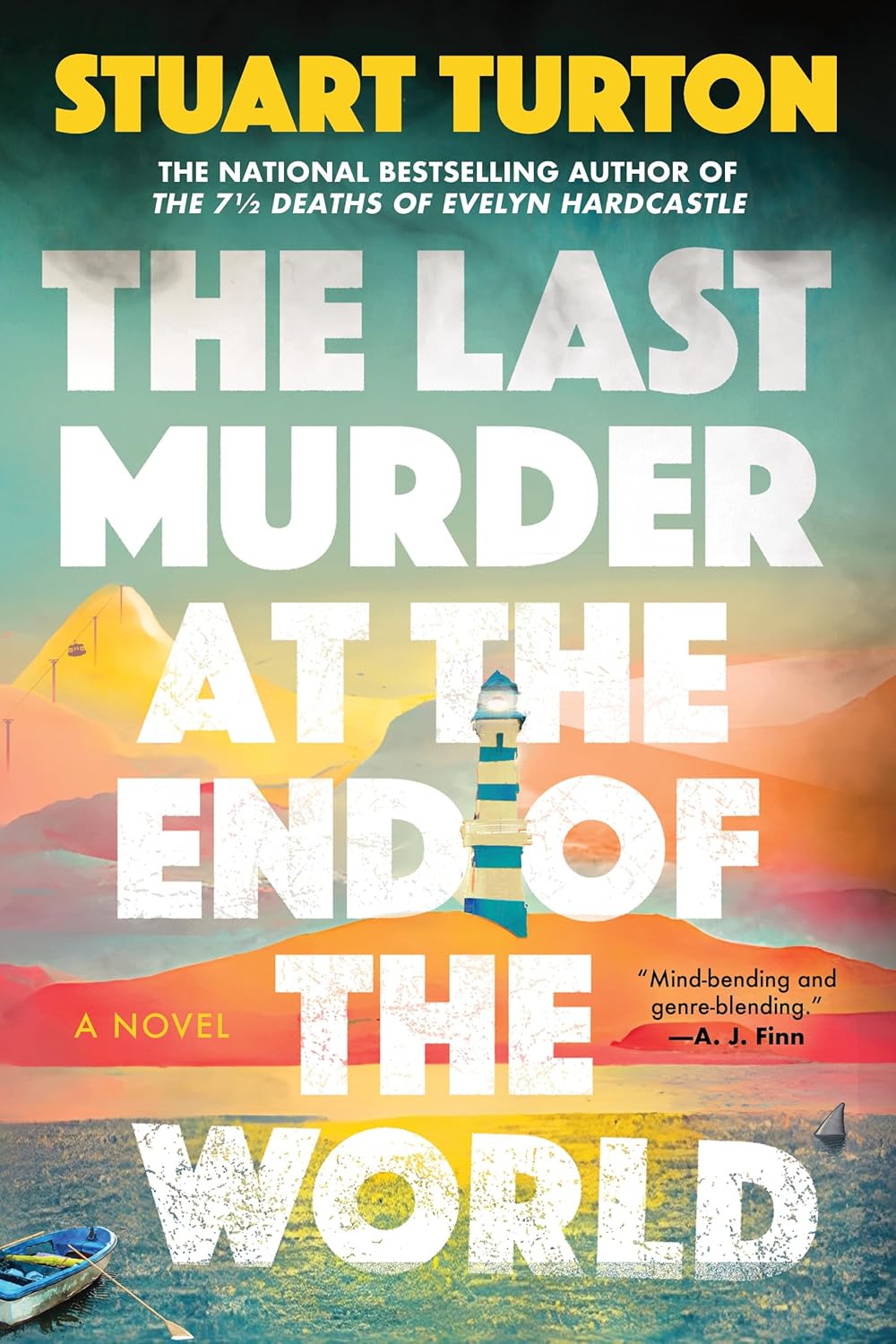
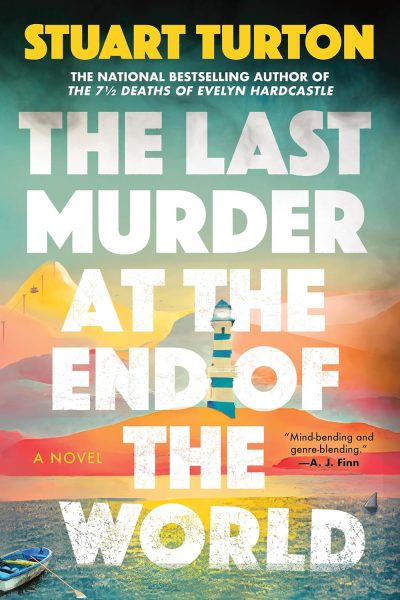
The Last Murder at the End of the World

In The Last Murder at the End of the World, Stuart Turton blends post-apocalyptic survival with locked-room mystery—resulting in a cerebral, genre-defying novel that’s equal parts science fiction and whodunit. If The 7½ Deaths of Evelyn Hardcastle left you spinning (in a good way), prepare for another wild ride.

The Last Murder at the End of the World

by Stuart Turton

A murder mystery. A dying world. And one final truth left to uncover.

The Last Murder at the End of the World by Stuart Turton

Title:

Author:

Genre:

Page Count:

Release Date:

Enjoyment:
Writing:
Characters:
Plot:
Readability:
Setting:

The Last Murder at the End of the World

Stuart Turton

Post-Apocalyptic, Sci-Fi, Mystery

343

May 21, 2024

♥ ♥ ♥ ♥
♥ ♥ ♥ ♥
♥ ♥ ♥ ♥
♥ ♥ ♥ ♥
♥ ♥ ♥
♥ ♥ ♥ ♥

The Quick Look

In The Last Murder at the End of the World, Stuart Turton blends post-apocalyptic survival with locked-room mystery—resulting in a cerebral, genre-defying novel that’s equal parts science fiction and whodunit. If The 7½ Deaths of Evelyn Hardcastle left you spinning (in a good way), prepare for another wild ride.

  • Themes: Dystopia, morality, memory, survival, collective guilt
  • Read if you like: Agatha Christie in space, An Absolutely Remarkable Thing, Children of Time, existential sci-fi
  • Best for: Readers who love twisty mysteries and don’t mind working for the payoff
  • Skip if: You want quick answers, linear timelines, or traditional pacing

The Full Review

PLOT & PACING
The world is gone. What remains is a tiny, isolated island governed by a collective intelligence—and bound by rules designed to protect humanity from itself. When the only person capable of maintaining the status quo is murdered, the system begins to collapse.
Turton unspools the mystery with deliberate slowness, building tension through claustrophobia, paranoia, and the erosion of truth. It’s not fast-paced, but the suspense simmers. And if you think you know where it’s going—you don’t.

CHARACTER & VOICE
The characters here are harder to connect with than in Evelyn Hardcastle, but they still shine. Each one is shaped by trauma, guilt, and the pressure of perfection in a society built on suppression. The protagonist’s voice wrestles with memory and morality—how much of the past should be remembered, and at what cost?

STYLE & ATMOSPHERE
Turton’s writing is thoughtful and layered, leaning into mood and slow revelation rather than flash. The atmosphere is eerie and contained—like a pressure cooker ready to blow. Though the sci-fi elements are prominent, it still feels grounded in human emotion, making the strange setting feel surprisingly relatable.

 THEMES & DEPTH
This isn’t just a mystery—it’s a study in control, violence, and moral erosion. What does it mean to protect humanity from itself? Is forgetting the past the only way to secure the future? Turton digs into these questions with chilling clarity, but never sacrifices mystery for message.

PERSONAL TAKE
Drew: I found the pacing slow and the world so layered it was sometimes hard to fully visualize—but the ideas stuck with me. Turton doesn’t spoon-feed anything.
Jenni: It was weird, but weird in a good way. The kind of weird that keeps you thinking long after you finish.
Together, we agreed: this book is frustrating and brilliant, messy and beautiful. And absolutely worth reading.

The Final Verdict

A strange, slow-burning mystery set in a world on the brink of collapse. It’s about memory, morality, and the stories we tell to survive. Weird, wild, and unforgettable.

"'Why doesn’t anybody question anything?' she asks her grandfather, focusing on him once again. 'They like being happy,' he says softly.'"
The Last Murder at the End of the World by Stuart Turton
The Last Murder at the End of the World
by Stuart Turton

Lula Dean’s Little Library of Banned Books

Kirsten Miller delivers a fiery, feel-good rebellion in Lula Dean’s Little Library of Banned Books—a novel that’s equal parts charming and unflinching. Set in a small Southern town, it tackles big issues like censorship, control, and the fear of change. If you’ve ever been told what to think or what not to read, this one’s for you.

Lula Dean's Little Library of Banned Books

by Kirsten Miller

"The more you know, the freer you are."

Lula Dean's Little Library of Banned Books by Kirsten Miller

Title:

Author:

Genre:

Page Count:

Release Date:

Enjoyment:
Writing:
Characters:
Plot:
Readability:
Setting:

Lula Dean’s Little Library of Banned Books

Kirsten Miller

Contemporary Fiction

292

June 18, 2024

♥ ♥ ♥ ♥ ♥
♥ ♥ ♥ ♥ ♥
♥ ♥ ♥ ♥ ♥
♥ ♥ ♥ ♥ ♥
♥ ♥ ♥ ♥ ♥
♥ ♥ ♥ ♥ ♥

The Quick Look

Kirsten Miller delivers a fiery, feel-good rebellion in Lula Dean’s Little Library of Banned Books—a novel that’s equal parts charming and unflinching. Set in a small Southern town, it tackles big issues like censorship, control, and the fear of change. If you’ve ever been told what to think or what not to read, this one’s for you.

  • Themes: Book banning, small-town politics, power and control, generational change, freedom of thought
  • Read if you like: Stories that celebrate resistance through literature
  • Best for: Readers who believe in the power of books, lovers of library settings, or anyone who’s ever found truth between the pages
  • Skip if: You prefer gritty realism over feel-good fiction, or want high-stakes action over character-driven drama

The Full Review

PLOT & PACING
At the heart of this story is a quiet rebellion—one book at a time. As banned titles disappear from schools and libraries, Lula Dean’s lending library in her front yard, initially stocked with The Southern Belle’s Guide to Etiquette and Our Confederate Heroes, becomes the epicenter of a literary revolution, as they’re replaced with Anne Frank’s Diary of a Young Girl and Toni Morrison’s Beloved. The plot moves with purpose, revealing how book banning isn’t just about books—it’s about controlling people, their ideas, and their futures. While the resolution may be tidier than real life, that’s part of the book’s hopeful magic.

CHARACTER & VOICE
The characters are instantly familiar—because you’ve met them before. This is an ensemble cast made up of familiar characters. They’re all meant to feel like your neighbors. Miller breathes authenticity into them all, from Lula Dean herself to the people fighting her. Their voices crackle with truth, tension, and wit.

STYLE & ATMOSPHERE
Miller’s style walks a perfect line: clever but not pretentious, heartfelt without being sentimental. The Southern setting is vivid—dusty sidewalks, whisper campaigns, and that stifling sense that everyone knows your business. It’s the kind of place where books can spark rebellion.

THEMES & DEPTH
This book is a rallying cry disguised as fiction. It explores how banning books is never really about morality—it’s about control. It shows how fear can warp tradition and how stories can tear down walls. And it’s a timely reminder that access to knowledge is the cornerstone of a free society.

PERSONAL TAKE
I loved this book. Miller’s depiction of a Southern town hit close to home, and the message couldn’t be more urgent in today’s political climate. While the ending may have wrapped up too neatly, that’s part of the charm—it’s a wishful imagining of what could happen if enough people just stood up and said, “No more.” This felt like required reading for right now.

The Final Verdict

A bold, timely, and ultimately hopeful reminder that stories matter—and the freedom to read them matters even more.

"What matters is never letting people tell you what to think. Don't let them convince you that one way is right and another way wrong. Gather as much knowledge as you can because information is power. And choosing how to use it is freedom. The more you know, the freer you are."
Lula Dean's Little Library of Banned Books by Kirsten Miller
Lula Dean's Little Library of Banned Books
by Kirsten Miller