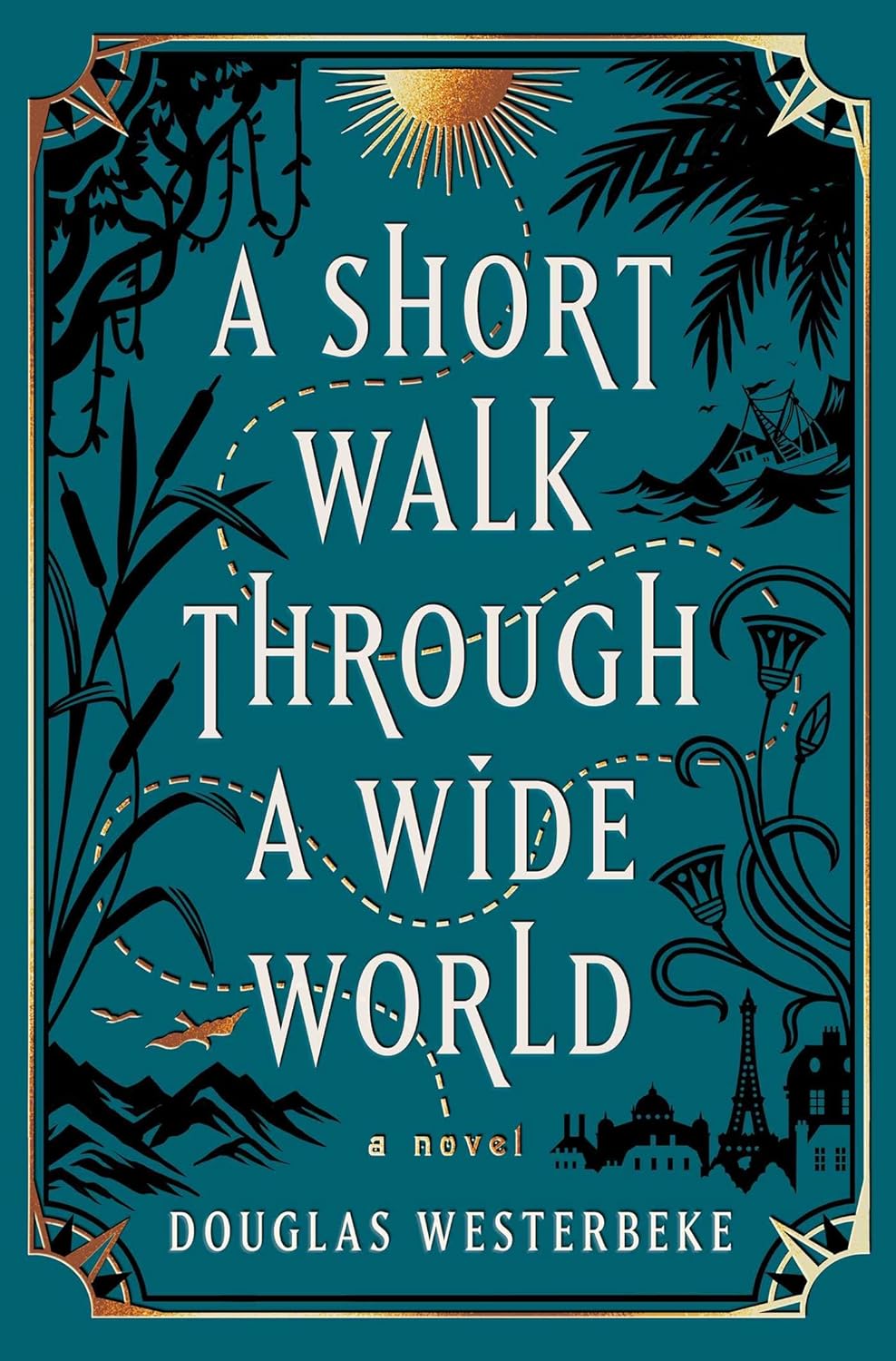
A Short Walk Through a Wide World

A Short Walk Through a Wide World is an ambitious tale of endless wandering that—despite its potential—never quite finds its way.

A Short Walk Through a Wide World

by Douglas Westerbeke

A Promising Journey that Meanders with No Destination
A Short Walk Through a Wide World by Douglas Westerbeke

Title:


Author:

Genre:

Page Count:

Release Date:

Enjoyment:
Writing:
Characters:
Plot:
Readability:
Setting:

A Short Walk Through a Wide World

Douglas Westerbeke

Historical Fiction; Fantasy-ish

390

April 2, 2024

♥ ♥
♥ ♥
♥
♥
♥ ♥
♥ ♥

The Quick Look

Marketed as a novel for fans of The Invisible Life of Addie LaRue, this debut promised a sweeping, fantastical journey around the world. What it delivered, for me, was a story with potential—but no pulse. 

  • Themes: (According to the publisher) The cost of immortality, the weight of wandering, and what makes a life worth living.
  • Read If You Like: Stories of eternal life, nomadic adventure, and quiet philosophical introspection (but with a higher tolerance for plotlessness than I had).
  • Best for: Readers who love reflective, meandering tales and don’t need tight plot structure.
  • Skip if: You crave character-driven stories with narrative payoff and emotional resonance.

The Full Review

PLOT & PACING:
The novel follows Aubry Tourvel, a girl cursed to keep moving—unable to stay in one place longer than a few days without dying of a mysterious illness. On paper, it’s a fascinating premise. In execution, it felt like watching a series of disconnected postcards flip by. There was little cause and effect, no clear stakes, and no satisfying arc—just “and then… and then… and then.”

CHARACTER & VOICE:
Aubry, the central character, never really came alive for me. Because the novel is told in third person and spans decades, it’s hard to feel truly tethered to her emotionally. I couldn’t shake the feeling that I was watching her from a distance, rather than walking beside her.

STYLE & ATMOSPHERE:
There are some lovely passages here and there, but overall the prose didn’t elevate the story enough to hold my attention. I paused the book around the 100-page mark, only returning months later to finish it on audio—and even then, I struggled to connect.

THEMES & DEPTH:
Westerbeke’s novel attempts to explore ideas like fate, isolation, and the search for meaning—but without a strong emotional or narrative throughline, these themes feel abstract rather than earned. Without clear consequences or evolution, it’s hard to feel what any of it means.

PERSONAL TAKE:
I wanted to love this. Truly. I picked it up because of the Addie LaRue comparison, and if you’ve been following along, you know how much that book means to me. But this wasn’t it. It’s not that the premise didn’t have potential—it’s that the storytelling never followed through in a satisfying way. Still, I respect the ambition and the effort of a debut author stepping into such big narrative shoes.

The Final Verdict

Wistful, wandering, and ultimately lacking the emotional and narrative spark that could have made it great. A beautiful idea that didn’t quite come together for me.
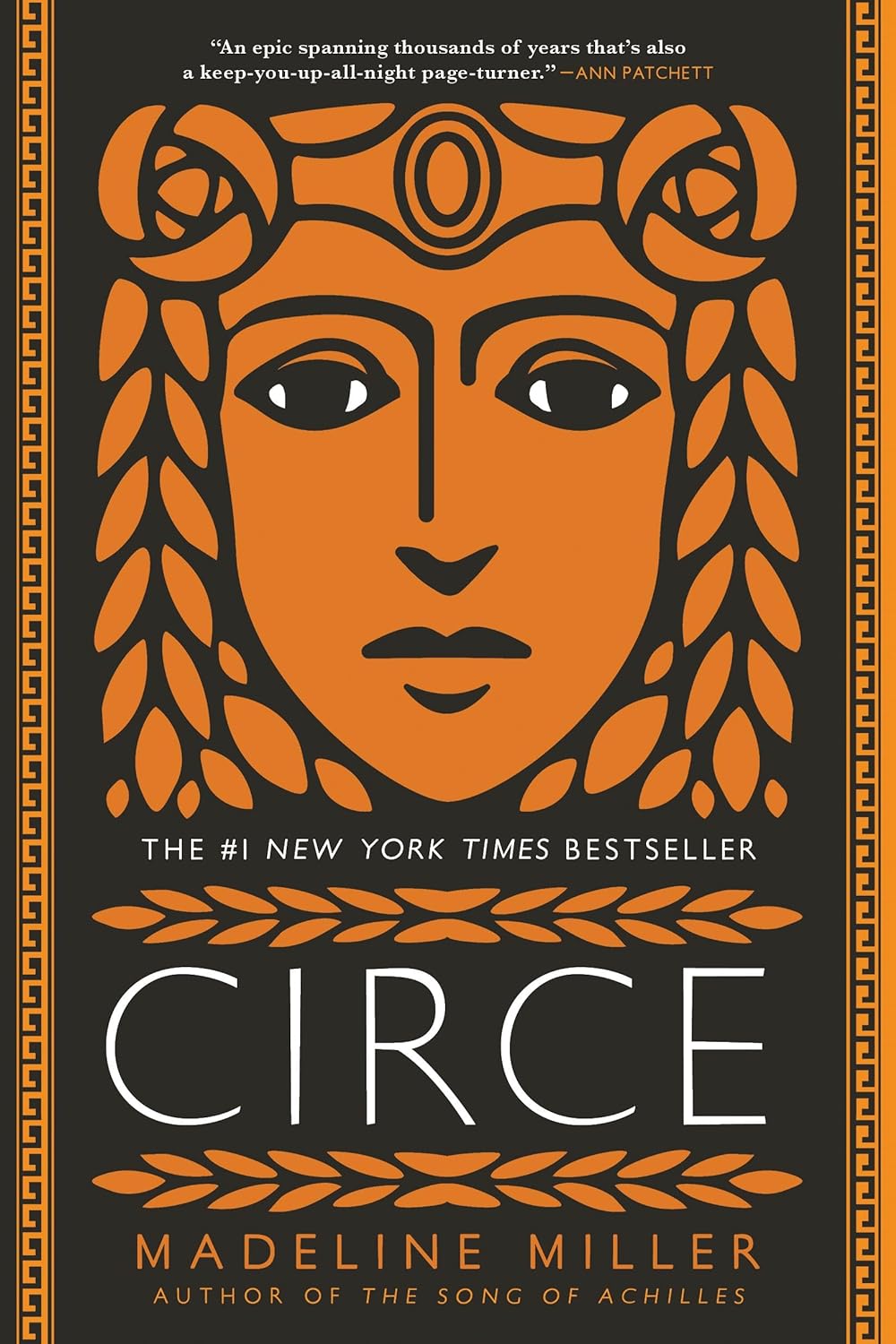
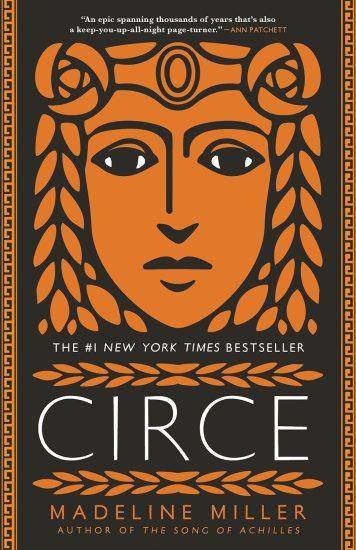
Circe

In Circe, Madeline Miller gives voice to a woman history wrote off as a footnote—a witch on an island, a side character in the epics of men. But what if the story was always hers to tell? With lyrical prose and mythic weight, this feminist reimagining spans centuries featuring gods, monsters, and heroes. But, most importantly, the book highlights the quiet strength of a woman learning to choose herself.

Circe

by Madeline Miller

History’s greatest witch tells her side of the story.

Circe by Madeline Miller

Title:

Author:

Genre:

Page Count:

Release Date:

Enjoyment:
Writing:
Characters:
Plot:
Readability:
Setting:

Circe

Madeline Miller

Fantasy; Mythology

385

April 10, 2018

♥ ♥ ♥
♥ ♥ ♥ ♥
♥ ♥ ♥ ♥
♥ ♥ ♥ ♥
♥ ♥ ♥
♥ ♥ ♥ ♥ ♥

The Quick Look

In Circe, Madeline Miller gives voice to a woman history wrote off as a footnote—a witch on an island, a side character in the epics of men. But what if the story was always hers to tell? With lyrical prose and mythic weight, this feminist reimagining spans centuries featuring gods, monsters, and heroes. But, most importantly, the book highlights the quiet strength of a woman learning to choose herself.

  • Themes: Immortality vs mortality, rewriting one’s story, isolation, heroism (or lack thereof)
  • Read if you like: Myth retellings, introspective slow-burns, stories about women reclaiming power.
  • Best for: Readers who enjoy character-driven narratives, literary prose, and myth through a modern lens.
  • Skip if: You need fast pacing, a traditional hero’s journey, you struggle with slow starts, or need a variety of settings (a majority of this one is set on ONE island for thousands of years).

The Full Review

PLOT & PACING
The novel spans thousands of years, tracing Circe’s transformation from overlooked nymph (who gave aid to Prometheus, btw) to a woman who bends fate to her will. The pacing is meditative—slow at first, almost too slow. But by the halfway mark, the threads begin to tighten. It’s less about what happens and more about how Circe changes. The story is mythic in scale, but intimate in voice.

CHARACTER & VOICE
Circe is layered, stubborn, observant, and deeply human despite her immortality. At first, she feels distant—a consequence of the prose, the isolation, the eons of her story. But as the novel progresses, her perspective sharpens. You begin to feel her pain, her pride, her yearning. It’s a voice that grows on you.

STYLE & ATMOSPHERE
Miller writes like a poet. Her prose is lush, lyrical, and evocative, especially when describing Circe’s island and the quiet spaces between encounters. The atmosphere is both enchanting and melancholic. You feel the weight of solitude—and the slow, deliberate work of self-invention.

THEMES & DEPTH
Circe is about stepping out of the shadows of gods and heroes to find your own truth. It asks what makes someone powerful—and what it means to be free. It challenges the idea that a life on the margins is lesser. And it celebrates the act of choosing your own story, even when the world writes you off.

PERSONAL TAKE
This one almost lost me. Around page 150, I nearly quit. But I’m glad I didn’t. There’s something quietly revolutionary in how Circe reclaims her narrative—not by conquest, but by endurance. It may not resonate with everyone, but for the right reader, it could be transformational. It’s not loud, but it lingers.

The Final Verdict

A slow, powerful reclaiming of voice and story—Circe proves that even immortals deserve a second telling.

“Humbling women seems to me a chief pastime of poets. As if there can be no story unless we crawl and weep.”
Circe by Madeline Miller
Circe
by Madeline Miller

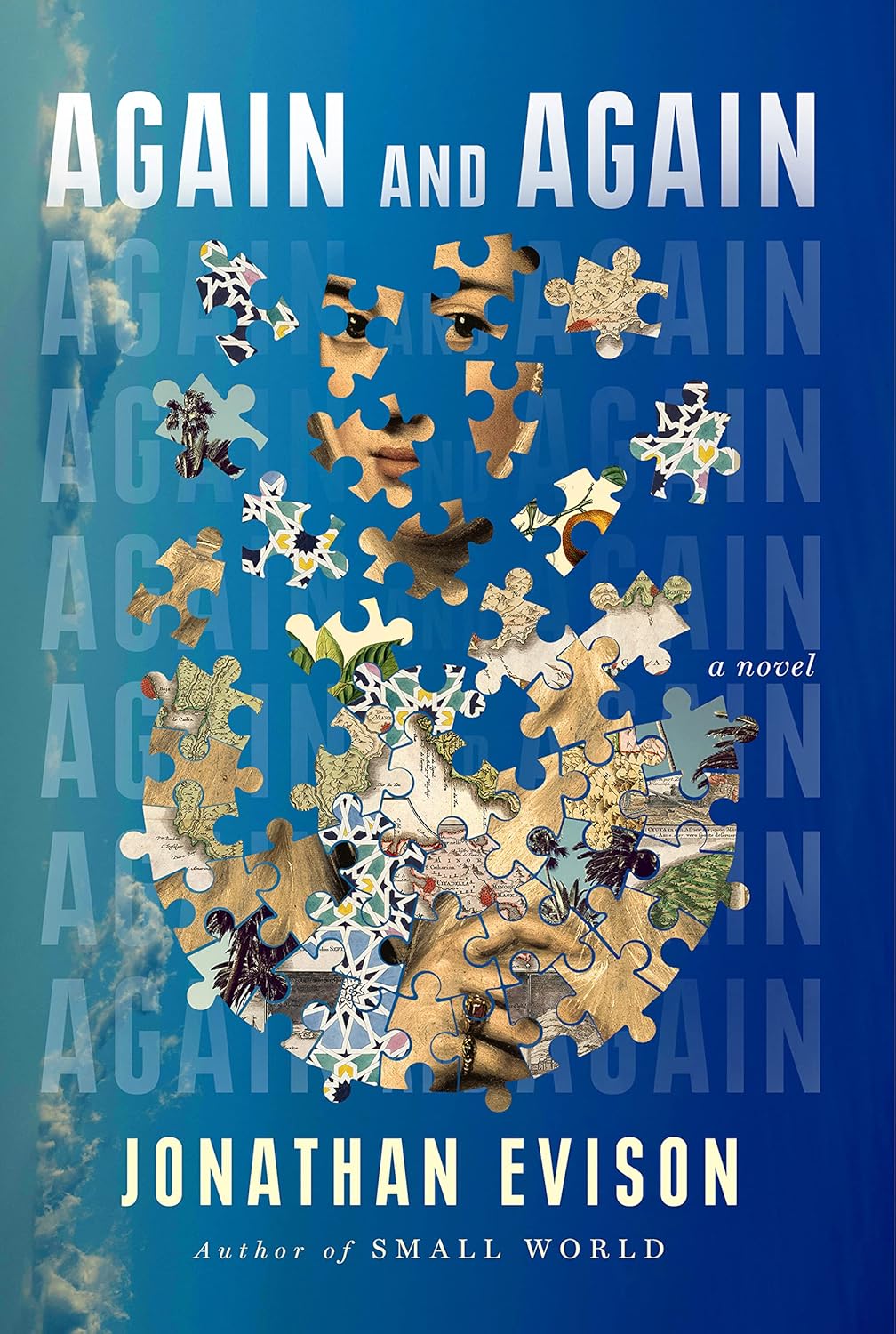
Again and Again

Some books spark emotion. Others spark thought. Again and Again sparked only regret. It’s hard to care about a character who can do nothing but lie.

Again and Again

by Jonathan Evison

Again and Again. That's how frequently the main character lies to you.

Again and Again by Jonathan Evison

Title:


Author:

Genre:

Page Count:

Release Date:

Enjoyment:
Writing:
Characters:
Plot:
Readability:
Setting:

Again and Again

Jonathan Evison

Contemporary Fiction

318

November 7, 2023

♥
♥ ♥
♥
♥
♥
♥

The Quick Look

Some books spark emotion. Others spark thought. Again and Again sparked only regret. It’s hard to care about a character who can do nothing but lie.

  • Themes: Regret, false memories, incoherence, maybe?
  • Read if you like: Being lied to repeatedly by an unreliable narrator with no clear payoff
  • Best for: Readers who enjoy sifting through disjointed timelines and don’t mind when a story shrugs at its own point
  • Skip if: You value plot, character, consistency, or a reason to care

The Full Review

PLOT & PACING
An old man in a nursing home may or may not be recounting past lives. But as he flip-flops on basic facts about who he is and where he’s been, it becomes impossible to track—let alone care. The narrative wavers between confusing and pointless.

CHARACTER & VOICE
If your main character constantly lies, you’d hope for a compelling reason—or at least an interesting reveal. Not here. The protagonist’s delusions are presented with such half-hearted ambiguity that it’s hard to root for, pity, or even tolerate him. I understand now why most of the hospice staff wouldn’t give him the time of day.

STYLE & ATMOSPHERE
Evison’s prose has moments of charm, but the overall effect is flat. There’s no emotional weight to ground the narrative. Whatever atmosphere he aims for gets lost in the shuffle.

THEMES & DEPTH
Sure, there are whispers of reincarnation, love lost, and the unreliability of memory, all themes that should speak to me. But they’re not explored—just tossed out like half-baked ideas. The book seems unsure whether it wants to be profound or quirky and succeeds at neither.

PERSONAL TAKE
I read the first page and then put it down. It sat on my shelf for months before I decided to read it on audio. I didn’t enjoy this, didn’t find it meaningful, and couldn’t wait for it to be over. If I hadn’t been chasing Book of the Month challenges, I think it would still be collecting dust on my shelf, or forgotten completely.

The Final Verdict

A frustrating, unfocused read that fumbles both its concept and execution.

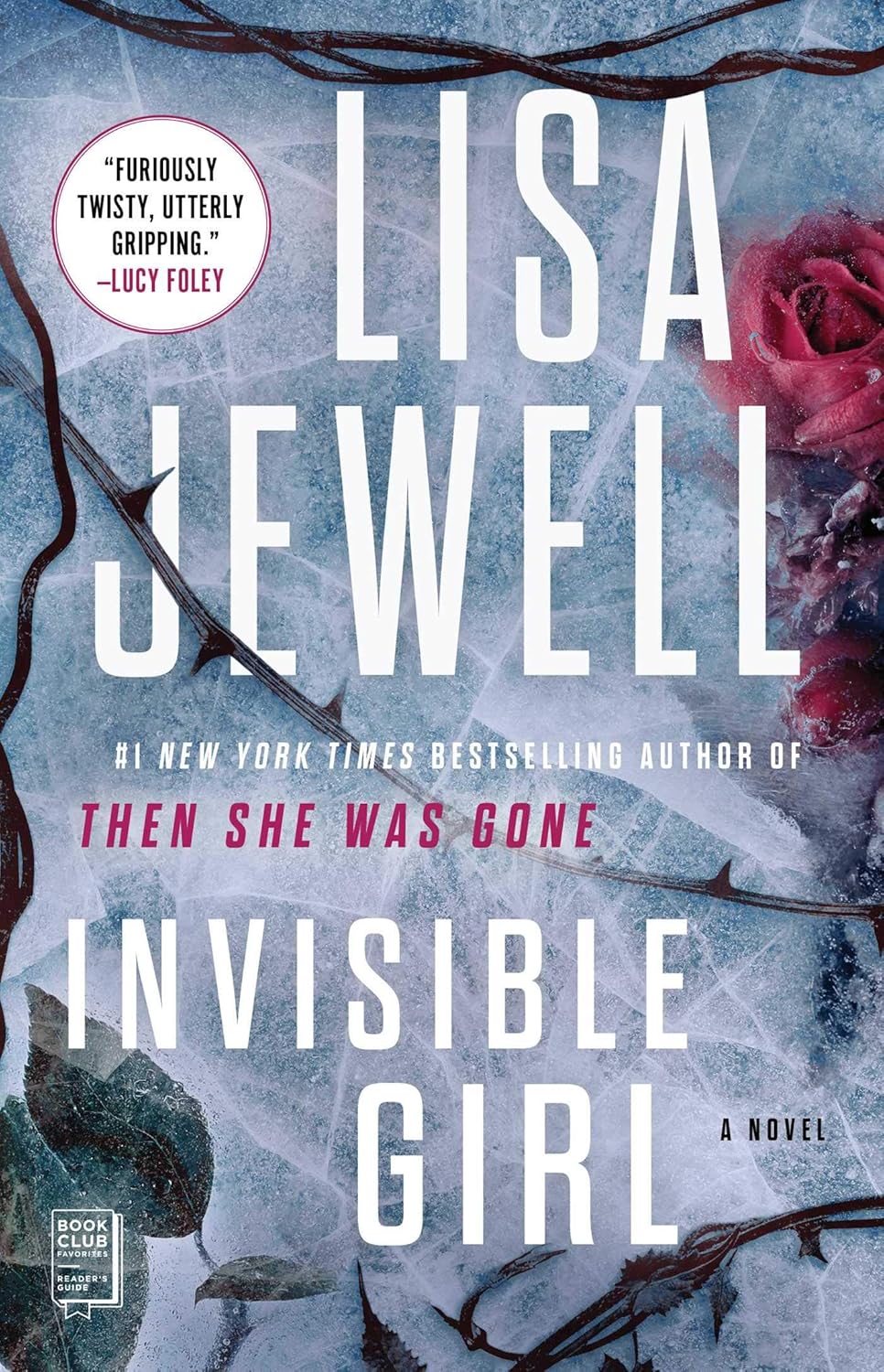
Invisible Girl

A slow, often frustrating read that ultimately rewards patient readers with an unsettling but impactful story of secrecy, trauma, and redemption.

Invisible Girl

by Lisa Jewell

When everyone looks suspicious, who can you actually trust?

The Quick Look

Lisa Jewell’s Invisible Girl builds a web of secrets, lies, and flawed characters against the backdrop of a quiet London neighborhood. While the first half drags under the weight of unlikable voices and unsettling themes, the story eventually gathers momentum, offering a more layered exploration of trauma, misogyny, and redemption. It’s a slow burn with a payoff that makes the perseverance worthwhile.

  • Trigger Warnings: sexual assault, infidelity, grooming, misogyny

  • Release Date: October 13, 2020
  • Pages: 365
  • Genre: Thriller / Suspense
  • Themes: mistrust, power dynamics, trauma, secrecy, growth
  • Read if you like: 
    – neighborhood thrillers
    – morally gray characters
    – stories of redemption
  • Best for: Readers with patience for a slow build and interest in psychological underpinnings of crime
  • Skip if: You need fast pacing, likable characters, or lighthearted storytelling

Enjoyment:
Writing:
Characters:
Plot:
Readability:
Setting:

♥ ♥ 
♥ ♥ ♥
♥ ♥ 

♥ ♥ ♥ 
♥ ♥ 
♥ ♥ ♥

Enjoyment:   ♥ ♥ 
Writing:         ♥ ♥ ♥ 
Characters:   ♥ ♥ 
Plot:                ♥ ♥ ♥ 
Readability:   ♥ ♥ 
Setting:          ♥ ♥ ♥ 

The Full Review

PLOT & PACING
The setup moves slowly, bogged down by over-detailed scenes and little plot momentum. But around the halfway mark (page ~180), the pieces begin to lock into place, driving toward a more engaging—and even educational—reveal.

CHARACTER & VOICE
Jewell populates this novel with damaged, complicated characters, but few are easy to root for. The misogyny, selfishness, and questionable choices make for a difficult cast. Still, by the end, some key characters undergo meaningful change, which salvages part of the journey.

STYLE & ATMOSPHERE
Jewell’s prose is straightforward, with enough atmospheric detail to set the scene without becoming lyrical. At times, the focus on grit and discomfort outweighs the narrative drive.

THEMES & DEPTH
This is where the novel succeeds: it tackles issues of sexual violence, predatory behavior, and gendered power imbalances. While uncomfortable, it forces readers to confront these realities, and the ending provides a sliver of growth and reflection.

PERSONAL TAKE
The first half was a slog, and I nearly set it aside. But pushing through paid off—the second half proved much stronger. I didn’t love this book, but I’m glad I finished it; it reminded me that sometimes character growth and thematic weight only reveal themselves after patience.

The Final Verdict

A dark, slow-building thriller that stumbles early but ultimately redeems itself with thoughtful character growth and an unsettling look at hidden dangers in everyday lives.

Check Out Our Recent Reviews!

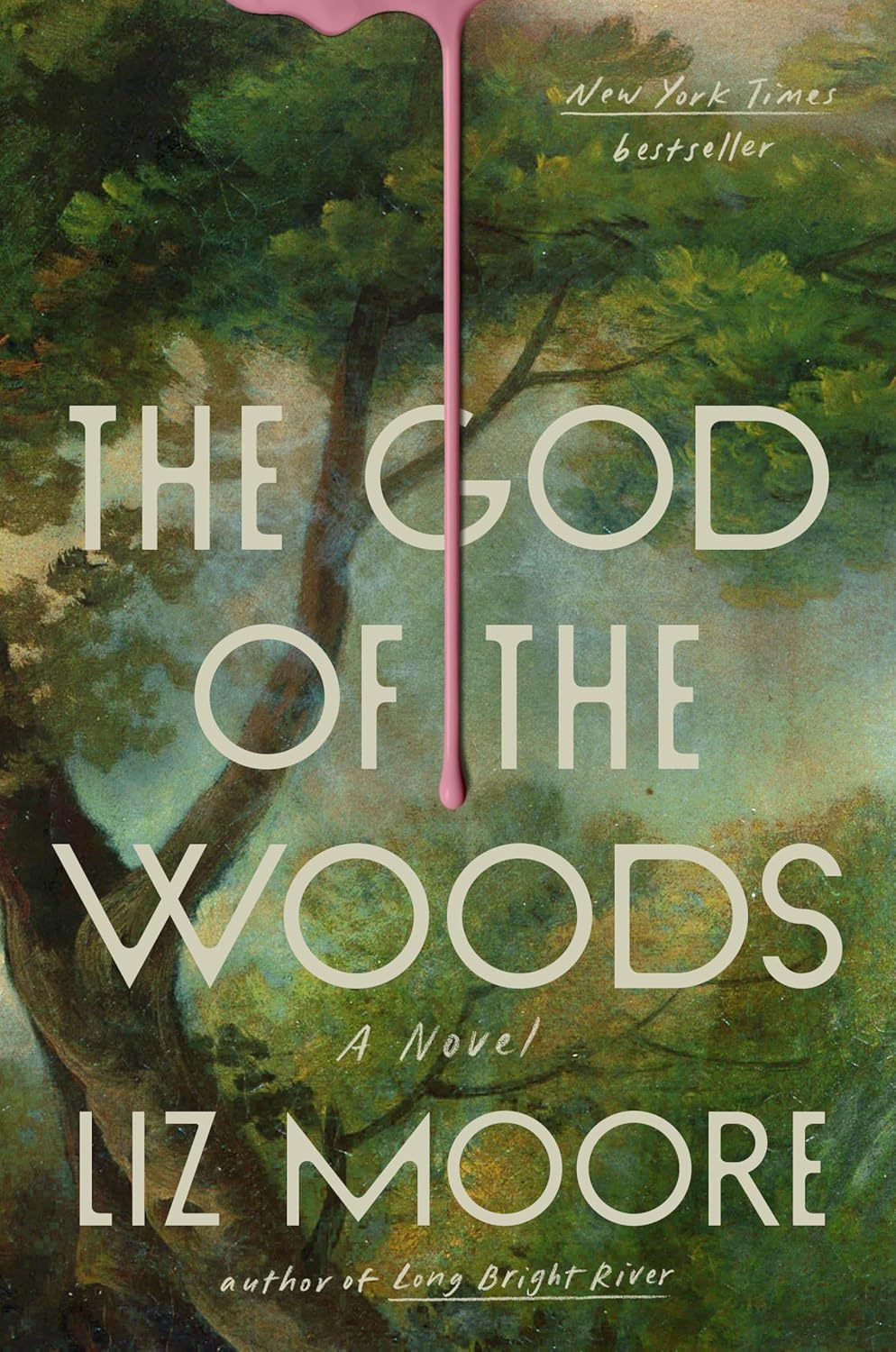
The God of the Woods

Thematically rich and blessed with a spectacular setting and cast of intriguing characters, The God of the Woods may be my favorite novel of 2024.

The God of the Woods

by Liz Moore

Power, privilege, and the women who refuse to be controlled.

The God of the Woods

Title:

Author:

Genre:

Page Count:

Release Date:

Enjoyment:
Writing:
Characters:
Plot:
Readability:
Setting:

The God of the Woods

Liz Moore

Literary Fiction

476

February 28, 2023

♥ ♥ ♥ ♥ ♥
♥ ♥ ♥ ♥ ♥
♥ ♥ ♥ ♥ ♥
♥ ♥ ♥ ♥ ♥
♥ ♥ ♥ ♥ ♥
♥ ♥ ♥ ♥ ♥

The Quick Look

With exquisite pacing and a fierce sense of justice, The God of the Woods unspools a multi-generational mystery rooted in wealth, silence, and rebellion. Set against the eerie grandeur of a 1970s Adirondack summer camp, Liz Moore crafts a haunting, feminist triumph about breaking free from the roles we’re assigned.

  • Themes: Generational trauma, self-reliance, haves vs. have-nots, control, independent women
  • Read if you like: East of Eden, Little Fires Everywhere, layered family dramas, or literary thrillers that don’t sacrifice character.
  • Best for: Readers who crave smart, layered prose and stories about strong women claiming agency in the face of oppressive systems.
  • Skip if: You need fast pacing, tidy resolutions, or prefer plot over character depth.

The Full Review

PLOT & PACING
On the surface, this is a missing-person mystery set at a Camp Emerson (Henry David Thoreau would approve) an elite summer camp set in the Adirondak mountains. But it’s so much more. The story unfolds across timelines and perspectives, slowly revealing the cracks in the Van Laar family’s carefully maintained image. As truths are uncovered, so are the ugly systems of power that sustain them. It’s a slow burn—but one that rewards patience with a blazing, unforgettable conclusion.

CHARACTER & VOICE
Every woman in this novel fights. Barbara, Judy, TJ, Louise—each one brings her own strength, and every arc feels richly earned. Even minor characters resonate. Moore imbues them all with quiet rage, hope, and complexity. Barbara, in particular, steals the show—a girl who dares to resist, even when resistance means being erased.

STYLE & ATMOSPHERE
Lush, precise, and emotionally grounded, the prose never calls too much attention to itself, but it lands. The setting—dense woods, fading wealth, the isolated chill of Camp Emerson—drips with tension. Moore knows how to let setting speak. You feel the weight of legacy in every room, every tree-lined path.

THEMES & DEPTH
This is about systems—class, wealth, gender—and the people caught in them. Moore critiques how privilege survives by feeding off the labor and bodies of others, particularly women. The novel champions those who fight to reclaim their stories. 

PERSONAL TAKE
This was my Lolly (Book of the Year) pick for Book of the Month Club—and for good reason. I’ll be thinking about Barbara Van Laar for a long time. About the ways her silence screamed, the ways Judy kept digging, and how TJ made peace on her own terms. The God of the Woods isn’t just beautifully written—it’s important. I’ll be recommending it to everyone.

The Final Verdict

Thematically rich, emotionally sharp, and absolutely unforgettable—this is literary fiction at its finest.

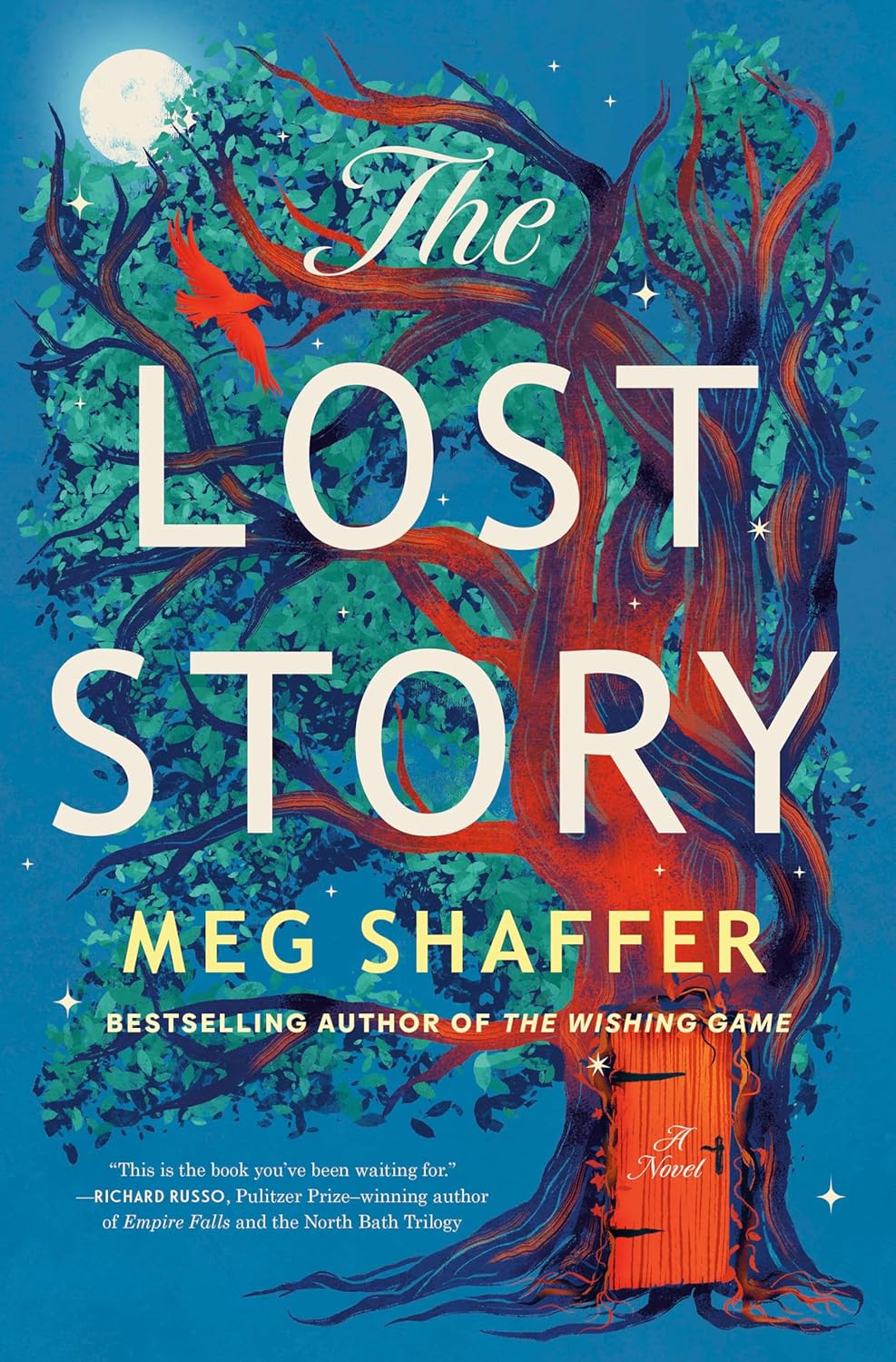
The Lost Story

Blending fantasy, nostalgia, and emotional depth, The Lost Story is a love letter to novels like The Chronicles of Narnia that transported us all as children—and a gentle reminder that wonder never grows old. Shaffer’s follow-up to The Wishing Game is tender, wistful, and steeped in the belief that stories can save us.

The Lost Story

by Meg Shaffer

What if your childhood fairy tale… actually happened?

The Lost Story by Meg Shaffer

Title:

Author:

Genre:

Page Count:

Release Date:

Enjoyment:
Writing:
Characters:
Plot:
Readability:
Setting:

The Lost Story

Meg Shaffer

Fantasy, Fairy Tale

322

July 16, 2024

♥ ♥ ♥ ♥ ♥
♥ ♥ ♥ ♥
♥ ♥ ♥ ♥
♥ ♥ ♥ ♥
♥ ♥ ♥ ♥ ♥
♥ ♥ ♥ ♥ ♥

The Quick Look

Blending fantasy, nostalgia, and emotional depth, The Lost Story is a love letter to novels like The Chronicles of Narnia that transported us all as children—and a gentle reminder that wonder never grows old. Shaffer’s follow-up to The Wishing Game is tender, wistful, and steeped in the belief that stories can save us.

  • Themes: Being lost, found family, belonging, books and stories as magic
  • Read if you like: The Wishing Game, The Chronicles of Narnia, portal fantasies, quiet hope.
  • Best for: Readers who still believe in fairy tales, fans of bookish magic, or anyone who’s ever used fiction to make sense of real life.
  • Skip if: You prefer fast-paced fantasy or dislike stories that straddle realism and whimsy.

The Full Review

PLOT & PACING
The novel centers on Rafe and Jeremy, childhood friends who vanished under mysterious circumstances and reemerged with a fantastical story no one believed. Years later, journalist Emilie is sent to uncover the truth. The pacing is gentle but immersive, with enough mystery to keep you turning pages and enough magic to keep your heart invested. Some may wish for more time in Shanandoah, the magical realm found in the dense forests of West Virginia, but what’s there is vivid and rich.

CHARACTER & VOICE
Rafe, Jeremy, and Emilie each bring something unique to the story. Rafe’s quiet vulnerability, Jeremy’s loyalty, and Emilie’s curiosity give the book emotional texture. The dynamic between the trio feels real, tender, and earned. The character work isn’t flashy—but it lingers, like the best kinds of friendships.

STYLE & ATMOSPHERE
Shaffer’s prose is warm and thoughtful, with a soft-spoken lyricism that complements the fairy-tale tone. There’s a distinct sense of melancholy and wonder woven into the fabric of every chapter. The atmosphere feels like reading under a blanket with a flashlight—a little mysterious, a little wistful, and very safe.

THEMES & DEPTH
This is a book about being lost—physically, emotionally, narratively—and about finding your way back through love, memory, and belief. Stories aren’t just escape in The Lost Story—they’re how we process trauma, shape identity, and make meaning. For readers who’ve ever clung to a book like a lifeline, this one speaks your language.

PERSONAL TAKE
I absolutely loved this one. It reminded me of why I read—to feel something, to believe in magic again. It’s a book that makes the case that fairy tales aren’t childish—they’re vital. And it does so without being overly sentimental. I would recommend this to anyone who needs a gentle, lovely book to remind them of the power of stories.

The Final Verdict

A moving, magical reminder that we’re never too old for fairy tales—especially the ones that help us come home to ourselves.

Favorite Quote

“All books are magic. An object that can take you to another world without even leaving your room? A story written by a stranger and yet it seems they wrote it just for you or to you? Loving and hating people made out of ink and paper, not flesh and blood? Yes, books are magic. Maybe even the strongest magic there is.”

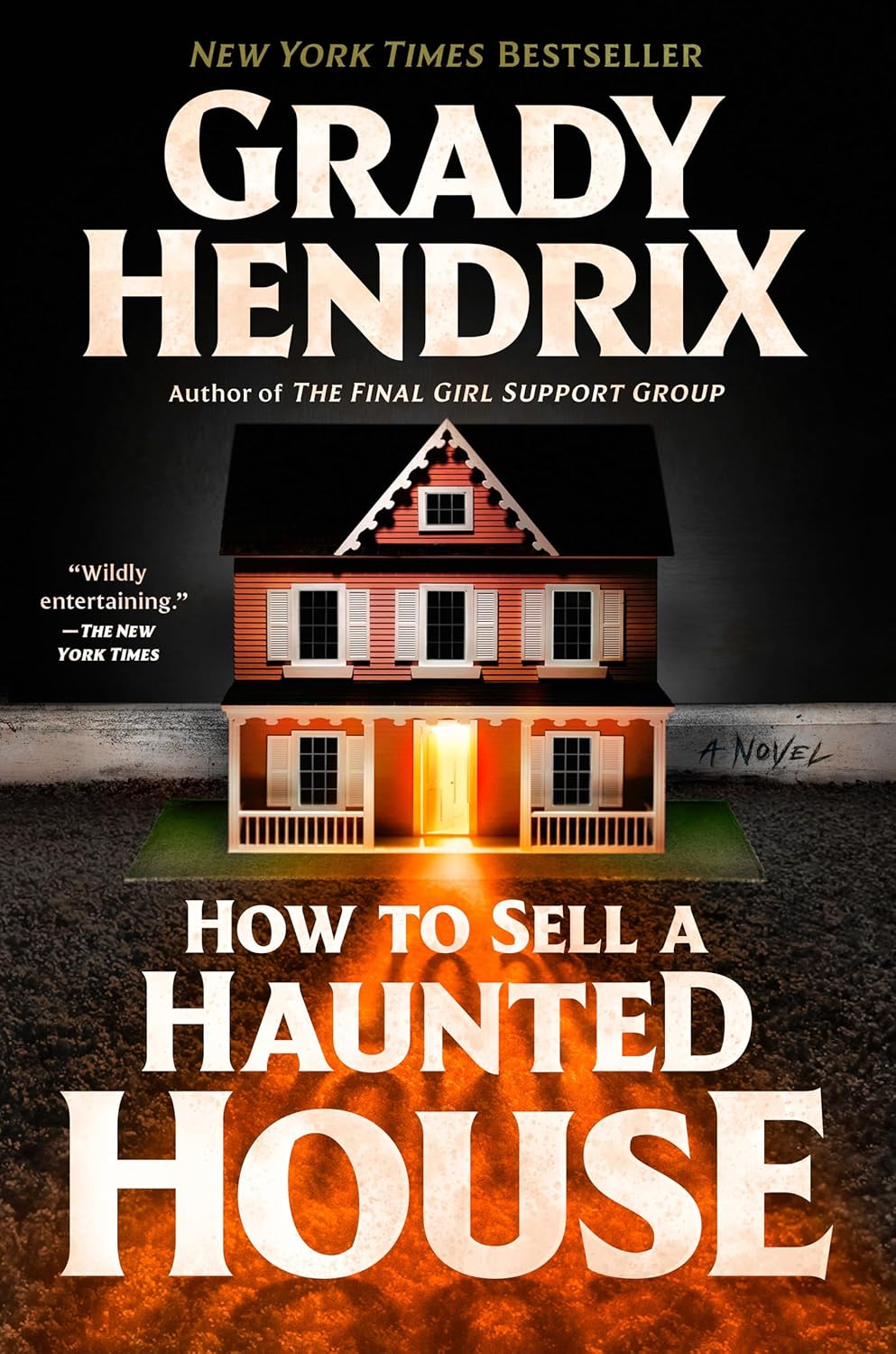
How to Sell a Haunted House

Work through the stages of grief with Louise and her estranged brother Mark as they mourn their recently deceased parents and prepare to sell their house—which is hiding more than just secrets… Darkly funny and genuinely creepy, How to Sell a Haunted House delivers equal parts haunted horror and heartfelt family drama.

How to Sell a Haunted House

by Grady Hendrix

When your childhood puppet becomes the main villain, you know therapy’s not gonna cut it.

How to Sell a Haunted House by Grady Hendrix

Title:

Author:

Genre:

Page Count:

Release Date:

Enjoyment:
Writing:
Characters:
Plot:
Readability:
Setting:

How to Sell a Haunted House

Grady Hendrix

Horror

413

January 17, 2023

♥ ♥ ♥ ♥ ♥
♥ ♥
♥ ♥ ♥ ♥ ♥
♥ ♥ ♥ ♥ ♥
♥ ♥ ♥ ♥
♥ ♥ ♥ ♥

The Quick Look

Work through the stages of grief with Louise and her estranged brother Mark as they mourn their recently deceased parents and prepare to sell their house—which is hiding more than just secrets… Darkly funny and genuinely creepy, How to Sell a Haunted House delivers equal parts haunted horror and heartfelt family drama.

  • Themes: Grief, death, familial secrets, childhood trauma, mental illness
  • Read if you like: The House in the Pines, Hereditary, creepy dolls, or sibling relationships that hit way too close to home.
  • Best for: Readers who love horror that makes them feel things, fans of family drama with supernatural flair, or anyone who likes their creepy with a side of dark humor.
  • Skip if: Puppets freak you out (seriously), you need highly literary prose, or you’re looking for a fast-paced scare-fest over a character-driven story.

The Full Review

PLOT & PACING
The story begins after the death of Louise’s parents. She and her brother Mark have inherited their childhood home and they plan to sell it… but the house—and its unsettling collection of puppets and memories—has other plans. As she and Mark attempt to clean out the family home and prepare it for sale, the past comes quite literally to life. The plot is structured around the five stages of grief, which adds an unexpected depth to a story that could’ve been just another haunted house tale. The pacing builds steadily toward a jaw-dropping, unsettling climax.

CHARACTER & VOICE
Louise is a fully formed, believable protagonist—flawed, grieving, and sarcastic. Her dynamic with her brother Mark feels authentic in all the worst ways: unresolved fights, painful memories, and that weird mix of love and resentment. Even the villain (yes, Pupkin the puppet) somehow manages to feel like a character with terrifying emotional weight. Hendrix excels at making everyone feel human… even the not-so-human.

STYLE & ATMOSPHERE
The prose isn’t overly literary, but it’s incredibly effective. The blend of horror and humor is one of the book’s greatest strengths. There’s a Southern gothic flavor to the setting—dusty attics, childhood bedrooms full of secrets, and memories that rot like forgotten boxes in a closet. It’s chilling, but never joyless.

THEMES & DEPTH
At its core, this book is about grief—how it manifests, how we avoid it, and how it warps us if left unspoken. The haunted house is a metaphor for everything unprocessed: regret, sibling tension, unresolved trauma. And the puppets? Maybe the best (and creepiest) metaphor for the things we inherit but never really want.

PERSONAL TAKE
I’ve been craving a horror novel that could scare me and make me think, and this delivered. The creep factor is real, but it’s the emotional depth that caught me off guard. There were moments I laughed out loud—and moments I wanted to sleep with the lights on. It’s the kind of book that will stick with you… probably with Pupkin whispering in your ear.

The Final Verdict

A chilling, charming, and cathartic look at how families fall apart—and maybe come back together—with the help of (or maybe in spite of?) some possessed puppets.

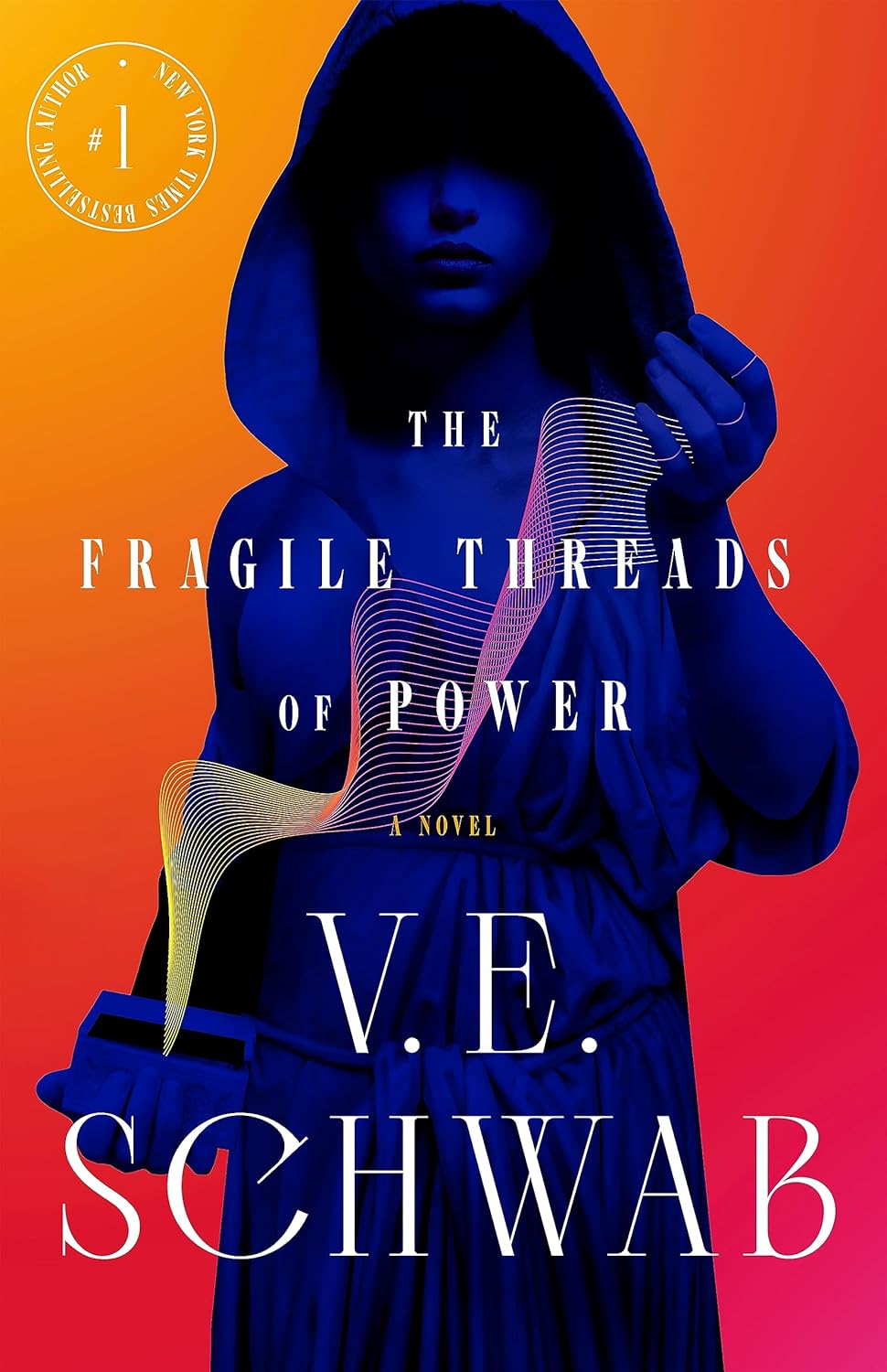
The Fragile Threads of Power

Every now and then, a sequel shows up not just to revisit an old world, but to expand it—breathe new life into familiar characters and locations, and make your heart race like it did the first time. The Fragile Threads of Power does exactly that—and somehow even more. 

The Fragile threads of Power

by V.E. Schwab

A Return to Red London and a Magical Reunion Worth the Wait

The Fragile Threads of Power

Title:
Series:

Author:

Genre:

Page Count:

Release Date:

Enjoyment:
Writing:
Characters:
Plot:
Readability:
Setting:

The Fragile Threads of Power
Fragile Threads, book 1 (part of the Darker Shades saga)

V.E. Schwab

Adventure; Fantasy; Pirates!

644

September 26, 2023

♥ ♥ ♥ ♥ ♥ ♥
♥ ♥ ♥ ♥ ♥ ♥
♥ ♥ ♥ ♥ ♥ ♥
♥ ♥ ♥ ♥ ♥
♥ ♥ ♥ ♥ ♥ ♥
♥ ♥ ♥ ♥ ♥ ♥

The Quick Look

Every now and then, a sequel shows up not just to revisit an old world, but to expand it—breathe new life into familiar characters and locations, and make your heart race like it did the first time. The Fragile Threads of Power does exactly that—and somehow even more. 

  • Themes: Found family, magic and imbalance, personal sacrifice, legacy
  • Read If You Like: The Darker Shades series (our reviews here, here, and here), multi-POV fantasy epics, or books that beg to be read aloud with dramatic flair.
  • Best for: Fans of Schwab’s magical multiverse and anyone who believes great characters make great fantasy.
  • Skip if: Don’t even think about it.

The Full Review

PLOT & PACING:
This isn’t just a continuation—it’s a new arc. A rich, fully realized entry point that pulls the threads of the past together and spins something thrillingly fresh. Schwab raises the stakes with political unrest, magical upheaval, and a larger, fractured world on the edge of a new era. The pace is sharp, with carefully timed reveals and cliffhangers that never feel cheap.

CHARACTER & VOICE:
If you’ve missed Kell, Lila, Rhy, or Alucard—you’re in for an emotional reunion. But it’s the new characters who take center stage in surprising, powerful ways. Ren is an instant standout, Tess will charm the magic right off your shelves, and Kosika is equal parts terrifying and tragic. Schwab gives every POV character a reason to matter. No one feels wasted. Everyone feels real.

STYLE & ATMOSPHERE:
Read it. No—perform it. Schwab’s writing sings aloud. Whether you’re whispering secrets in Grey London or unleashing elemental chaos in Red, every line feels built for drama and heart. She’s always had a lyrical style, but this is another level. It’s theatrical in the best sense of the word.

THEMES & DEPTH:
This book explores the responsibility that comes with power, the wounds left behind by legacy, and how fragile alliances can be in a world built on unstable magic. But at its heart, it’s still a story about chosen family, and the risks we take for those we love.

PERSONAL TAKE:
This was an experience. I read every word aloud to Jenni and it felt like we were there. I’ve loved Schwab before, but this is the book that made me want to scream it from the rooftops. It’s a near-perfect continuation that doesn’t rely on nostalgia—it earns every new beat with ambition and heart.

The Final Verdict

This one breaks our rating system… Schwab has never been more confident, more cinematic, or more emotionally on-point. The Fragile Threads of Power is a celebration of everything that made the Darker Shades series magical—and a thrilling beginning of something entirely new.


Want a reminder of how we felt about the rest of Schwab’s Darker Shades series? Check them out here:
A Darker Shade of Magic
A Gathering of Shadows
A Conjuring of Light

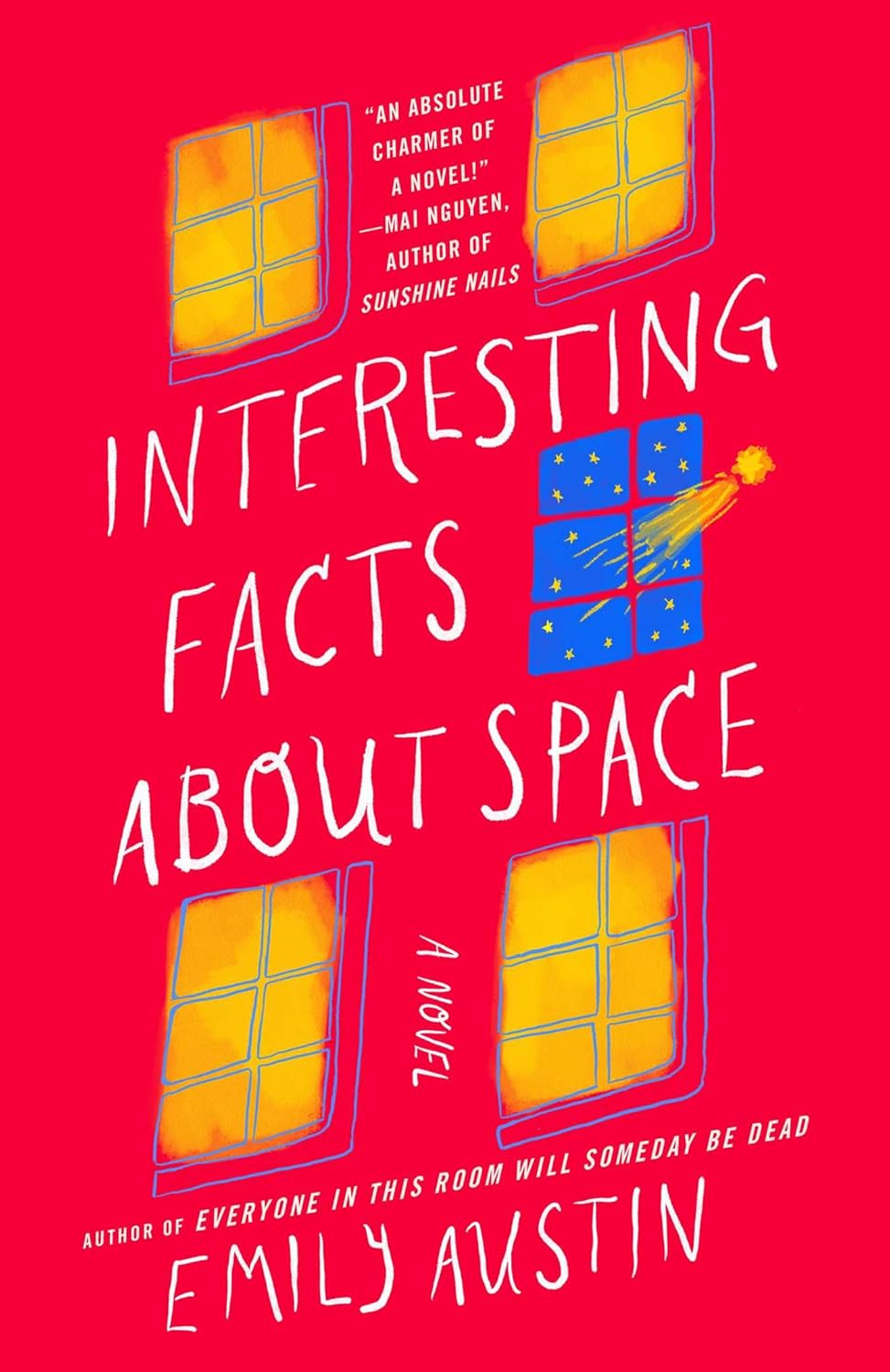
Interesting Facts About Space

Emily Austin’s Interesting Facts About Space is as charming as it is quietly profound. A deeply funny, gently sad story about grief, phobias, sisterhood, and the ways we try to make sense of our brains. Enid is one of the most endearing narrators you’ll meet this year.

Interesting Facts About Space

by Emily Austin

Sometimes, the quirkiest minds hold the deepest truths.

Interesting Facts About Space by Emily Austin

Title:

Author:

Genre:

Page Count:

Release Date:

Enjoyment:
Writing:
Characters:
Plot:
Readability:
Setting:

Interesting Facts About Space

Emily Austin

Contemporary Fiction

302

January 30, 2024

♥ ♥ ♥ ♥ ♥
♥ ♥ ♥ ♥
♥ ♥ ♥ ♥ ♥
♥ ♥ ♥ ♥
♥ ♥ ♥ ♥
♥ ♥ ♥

The Quick Look

Emily Austin’s Interesting Facts About Space is as charming as it is quietly profound. A deeply funny, gently sad story about grief, phobias, sisterhood, and the ways we try to make sense of our brains. Enid is one of the most endearing narrators you’ll meet this year.

  • Themes: Mental illness, therapy, phobias, working through trauma, love, found family
  • Read if you like: Eleanor Oliphant Is Completely Fine, Everyone in This Room Will Someday Be Dead, quirky heroines with heavy hearts
  • Best for: Readers who love character-driven fiction with quirky, introspective voices.
  • Skip if: You need plot-forward pacing or struggle with nonlinear narration.

The Full Review

PLOT & PACING
Enid is a quirky, anxious woman obsessed with space facts, avoiding social obligations, and processing her trauma. The novel follows her as she navigates an overwhelming world with humor and hypersensitivity. There isn’t a ton of traditional “plot,” but the emotional movement is real—and fast. A great audiobook pick for a single-day listen.

CHARACTER & VOICE
Enid is unforgettable. Funny, insightful, self-aware, and often paralyzed by anxiety, she’s a protagonist that feels honest and raw. Supporting characters help balance the weight of her interior life—especially her therapist, sister, and coworkers. If you love strong internal monologues and stream-of-consciousness narration, this is your book.

STYLE & ATMOSPHERE
The writing style leans heavily into voice—almost journalistic in its stream-of-consciousness and quick cuts between memory, observation, and space trivia. It takes some getting used to, but the rhythm becomes part of the book’s charm.

THEMES & DEPTH
Mental illness is treated with nuance and care here. This is a story about how people cope—with trauma, fear, grief, and being neurodivergent in a world that prizes smooth edges. It’s also a quiet celebration of therapy and the messy beauty of connection.

PERSONAL TAKE
I adored this book. Enid is someone I’d love to meet—her space facts are delightful, but it’s her emotional honesty that won me over. While her narration may be a hurdle for some, it only made me feel closer to her. It’s weird, heartfelt, and sweet in the best ways.

The Final Verdict

A quirky, heartfelt story that’s as funny as it is quietly profound. Enid might just be your new favorite oddball.

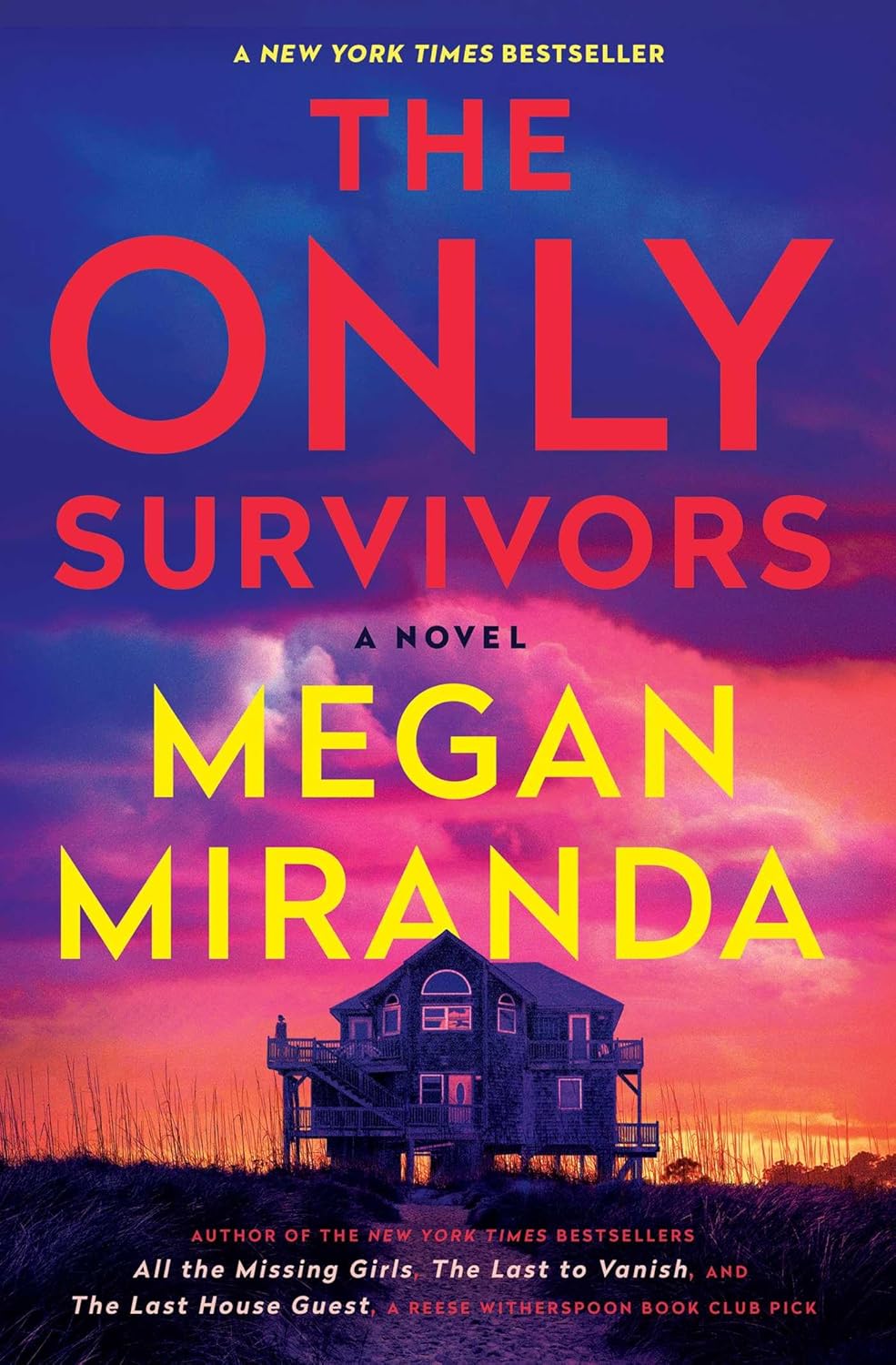
The Only Survivors

A slow-burning, disorienting mystery where secrets swirl like the tide—and survival comes with its own baggage. The Only Survivors isn’t so much a thriller as it is a psychological sifting through guilt, grief, and the fragility of forced friendships.

The Only Survivors

by Megan Miranda

If everyone’s hiding something… who do you trust?

The Only Survivors by Megan Miranda

Title:

Author:

Genre:

Page Count:

Release Date:

Enjoyment:
Writing:
Characters:
Plot:
Readability:
Setting:

The Only Survivors

Megan Miranda

Mystery; Thriller

335

April 11, 2023

♥ ♥ ♥
♥ ♥ ♥
♥ ♥
♥ ♥ ♥
♥ ♥ ♥
♥ ♥ ♥ ♥

The Quick Look

A slow-burning, disorienting mystery where secrets swirl like the tide—and survival comes with its own baggage. The Only Survivors isn’t so much a thriller as it is a psychological sifting through guilt, grief, and the fragility of friendships forged through shared trauma and tragedy.

  • Themes: Survivor pacts, secrets, stalking, trust.
  • Read If You Like: The Resort by Sara Ochs, beachy thrillers, stories where everyone’s got something to hide.
  • Best for: Readers who enjoy coastal suspense, group dynamics, and a simmering sense of unease
  • Skip if: You’re looking for action-packed thrillers or deep character studies

The Full Review

PLOT & PACING
Cassidy Bent returns to the Outer Banks for an annual reunion of sorts—a tradition rooted in trauma and guilt. Years earlier, she and her high school classmates survived a tragic accident. Now, someone seems to be watching them, and one by one, their carefully built walls begin to crumble. The story’s strength lies in its simmering uncertainty. You’re not really sure who to believe, and the tension hums quietly throughout. But if you’re expecting an explosive thriller, temper those expectations.

CHARACTER & VOICE
This isn’t a character-driven book. Most of the “survivors” felt interchangeable, and while Cassidy is the central voice, she sometimes reads more like an observer than a participant. That distance might be intentional, reflecting her emotional detachment, but it doesn’t always make for the most gripping reading experience.

STYLE & ATMOSPHERE
Miranda’s writing is clean, and the beachside setting adds an eerie calm to the story. It’s easy to get swept up in the setting, even when the plot doesn’t fully deliver. This feels like a novel designed to be consumed quickly—ideal for audio or a casual weekend read.

THEMES & DEPTH
The core questions are compelling: Who do you become after surviving the unthinkable? What binds people together—guilt or love? And when push comes to shove, would you risk yourself to save someone else? The novel dances around these questions, but often opts for mood over resolution.

PERSONAL TAKE
I listened to this on audio while chasing down Book of the Month challenges, and it was… fine. Nothing terrible, nothing great. It’s a book that fills the time without demanding much of you. If you’re in the mood for something light, beachy, and a little eerie, you could do worse. But would I recommend it to a friend? Probably not.

The Final Verdict

The Only Survivors asks all the right questions—but fumbles the follow-through.